Acting
No biography available.
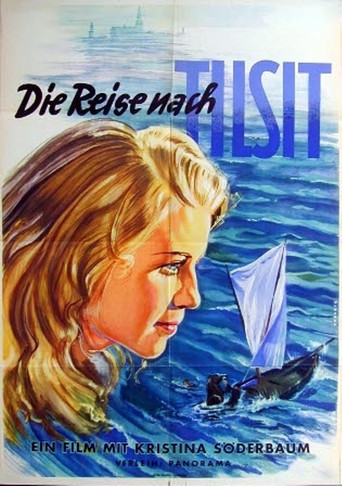
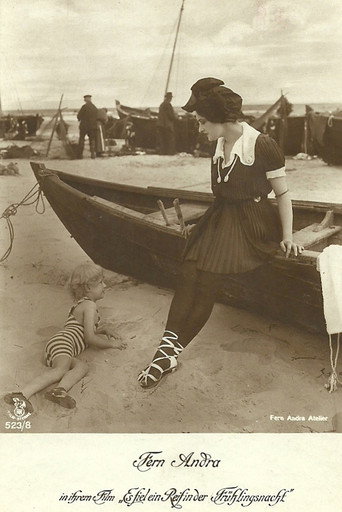
A villager is tempted by a sophisticated city woman and almost kills his wife in a boating accident.
After her brother is sent to Siberia, Sonja heads to Moscow to participate in a revolution.
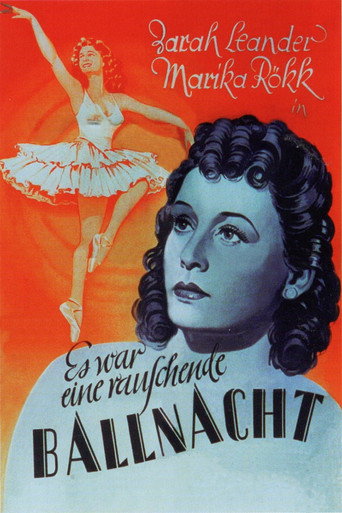
1865. Katharina goes to a ball in Moscow. There she meets again Tchaikowsky, her first and only love. The young, who is now married to wealthy Michael Iwanowitsch Murakin, a man she does not love, has not forgotten Piotr Illich, the (not yet) famous composer. Both are still in love with each other but Piotr is engaged to Nastassia, a dancer, while for her part Katharina cannot leave her husband. Tchaikowky's first love then decides to sacrifice her happiness to the success of the composer, sponsoring him in secret. Something Piotr will learn only years after. When Katharina finds herself free at last it is too late: Tchaikowsky is dying of cholera and she only has time to close his eyes.
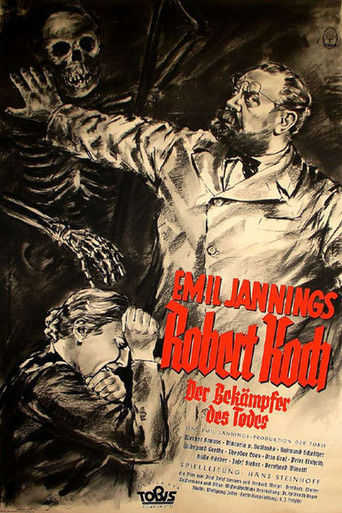
Country Dr. Robert Koch is desperate: a tuberculosis epidemic is decimating the children in his district and no one is able to do anything about it. Every fourth child is already sick and the parents must helplessly watch as their young ones die. Now Koch is undertaking to find the cause of the tuberculosis --- something he has already been working on for years --- which has been causing this plague of illness. His work is made more difficult by envy; for example, that of his teacher, who was wounded defending his honor. But his greatest obstacle is the famous Berliner scientist and Reichstag deputy, Privy Councilor Rudolf Virchow: He is extraordinarily skeptical of Koch's theory, that the cause for tuberculosis is a bacteria.
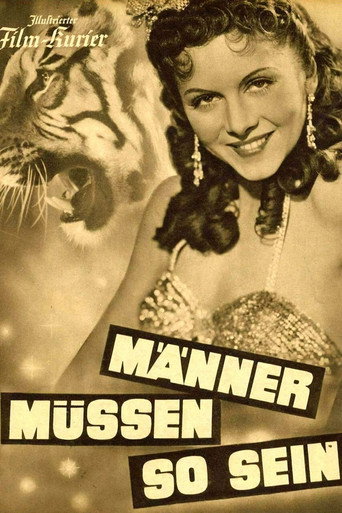
Young Beatrice has trained as a dancer against her father's wishes. At the circus, she meets the famous tamer Ruda and falls in love with him. But the next day, Ruda disappears with the circus. Beatrice gets a new engagement with another circus and makes a career as a dancer among live tigers.
One out of three silent adaptations of the novella "Les quatre diables" written by Danish author Herman Bang. The most famous one, although unfortunately lost, is without any doubt F.W. Murnau's "4 Devils". This German version, by Danish director A.W. Sandberg, was done eight years prior to Murnau's American one, and was a big success at the time.
A woman is accused of murder after a duel on her honour results in two deaths.
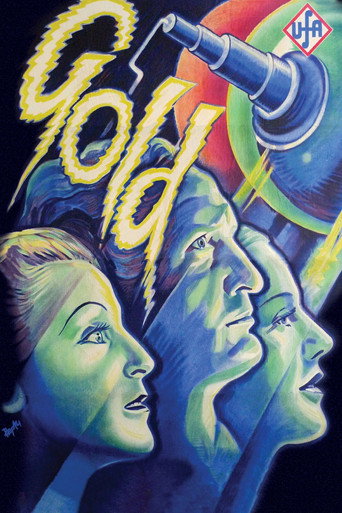
Using an atomic reactor, two scientists try to create gold.
After winning the lottery young draftsman Erich decides to quit his job and enjoy his riches on a big scale, thus alienating his bride, his grandmother and his friends. Soon con men try to swindle him out of his money.
Curt serenades his wife Charlott from the garden without her recognizing him. When she later doesn't refer to the incident he assumes that she is falling for the 'unknown' suitor and deliberately puts a notorious womanizer on her trail.