Acting
No biography available.
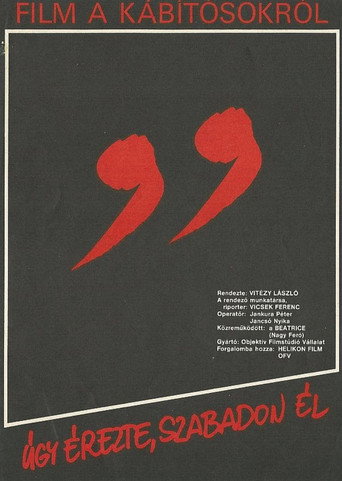
This László Vitézy documentary examines the sensitive topic of drug use in Hungary. The work, dating from 1988, was the first to give a voice to disadvantaged individuals whose very existence had been a taboo. In addition to unpicking the tragic personal stories of drug users just surviving on the fringes of late Kádár-era society, another important purpose of the film was that it investigated the ‘official’ side of the problem as well. It is evident from what those interviewed had to say that meaningful steps were put off for decades by the fact that the whole issue of drugs was a forbidden subject in Hungary.
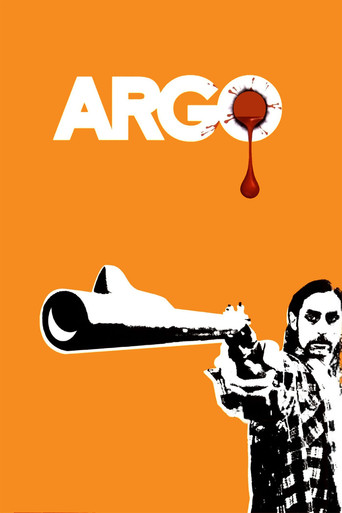
The crew of Tibi Balogh sets out on a journey across Hungary to get the ancient Gold Owl statue, as well as the Milk Man. The treasure is worth millions, who gets there first?
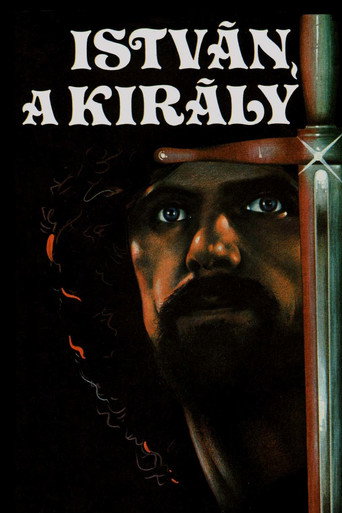
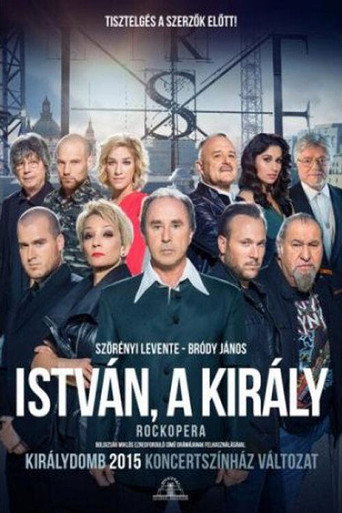
István, a király ("Stephen, the King") is a Hungarian rock opera written by Levente Szörényi (music) and János Bródy (lyrics), based on the life of Saint Stephen of Hungary. The storyline was based on the play Ezredforduló (Turn of the Millennium) by Miklós Boldizsár, who co-wrote the libretto. The opera was first staged in 1983 on an open-air stage in Budapest. This first performance was also made into a 1984 film, directed by Gábor Koltay, and its music released on an album. The musical became a smash hit and is still very popular in Hungary and among Hungarian minorities in neighboring countries.
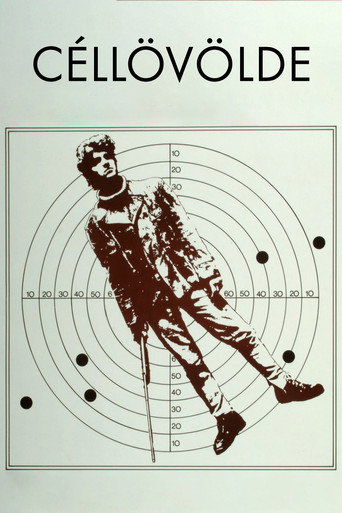
Three people live together without having anything to do with each other. The macho father used to have a shooting gallery which he had to sell. Yet secretly, he keeps on dreaming about it.
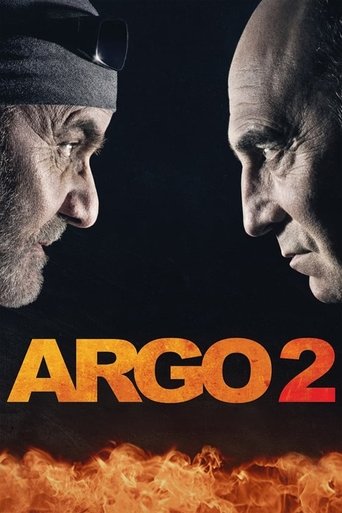
Tibi and his small‐time crook crew haven’t grown wiser in ten years and are hired by a shadowy Japanese syndicate to steal a priceless data drive. Clueless about IT, they drag along a computer‐science teacher, only to trigger revenge from a Roma mafia boss, face off against Japanese hitmen and even anger the Slovak army. As their dream of escaping to a Malibu beach with the loot fades, Tibi’s street smarts might be their only hope.
“István és Koppány,” the definitive Hungarian rock-opera by Levente Szörényi and János Bródy about the nation’s founding, returns for its 30th anniversary in a bold new staging by Róbert Alföldi. With unchanged music and lyrics, the spectacle unfolds on an 860 m², 21 m-high set, featuring 150 dancers and extras, a 60-piece symphony orchestra and a six-member rock band, all brought to life with redesigned décor and costumes.
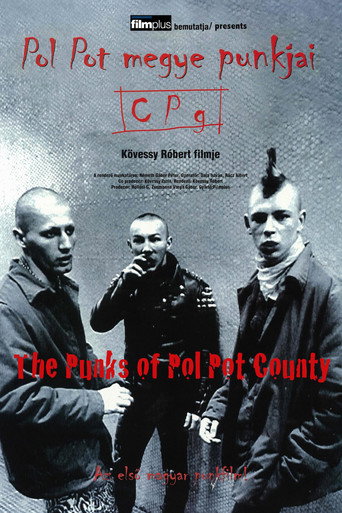
A documentary of the legendary band of the eighties called CPg (Come on Punk group). CPg was one of the first Hungarian punk (not skinhead) groups. In the eyes of the political leadership, they were the most reactionary and the rudest. Their songs sounded like a naive, somewhat anarchistic social criticism but were never racists. They were sentenced to two years in prison.
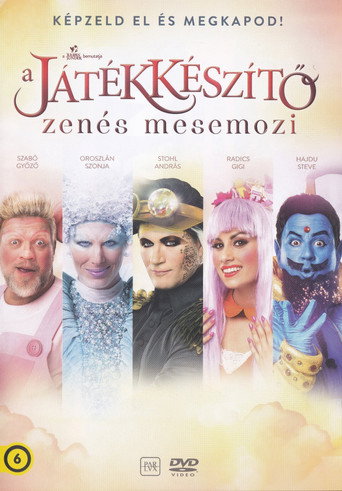
Peter was a lonely boy who was mocked by his classmates for his glasses. When he found a pair of magical red glasses his life turned upside down. He met new friends, like the Pig and the Three-Headed Dragon, and started a wonderful, yet dangerous journey to the headquarter of the Game Creator, the World's most powerful video game developer. They believe he is the only one who can help the fairy tale heroes to survive by turning them into a video game character. "The Game Creator" is a unique take on a Broadway-style musical blockbuster performance.
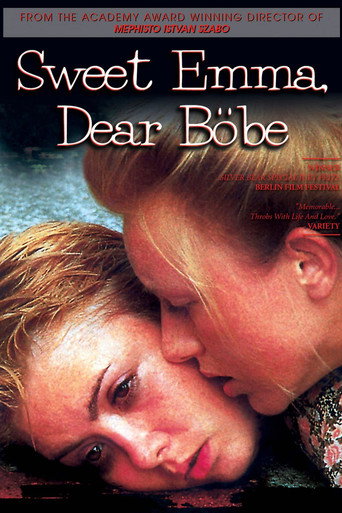
The story shows Emma's and Böbe's fight for survival, for keeping their position in society which they achieved with hard work in the previous regime. They don't want to lose their place and become village girls again.