Directing
No biography available.
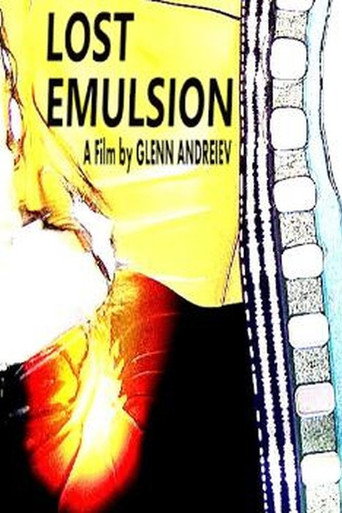
The majority of films made before World War II are missing. They have rotted, or destroyed accidentally or on purpose. Horror classics like LONDON AFTER MIDNIGHT might be gone forever. Many other films are presently in danger of decomposition. LOST EMULSION tells that story, and the story of film restoration. Discover the plight of the lost films like the Edison Frankenstein, the work of Theda Bara, Lon Chaney, Wallace Reid, Joan Blondell, Raoul Walsh and more. Learn firsthand what The Library of Congress is doing to preserve our film heritage.
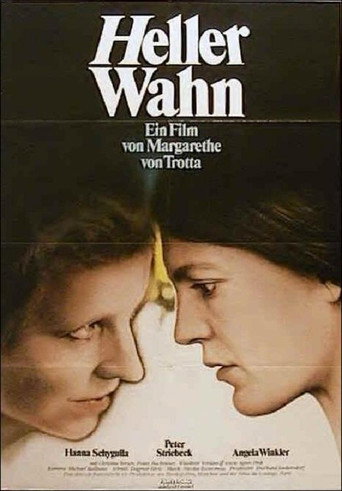
Two women–a literature professor and a painter–start to rely upon their friendship as an alternative to their unhappy relationships with the men in their lives.
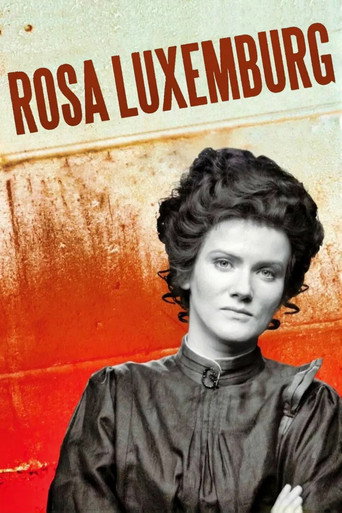
Polish socialist and Marxist Rosa Luxemburg works tirelessly in the service of revolution in early 20th century Poland and Germany. While Luxemburg campaigns for her beliefs, she is repeatedly imprisoned as she forms the Spartacist League offering a new vision for Germany.
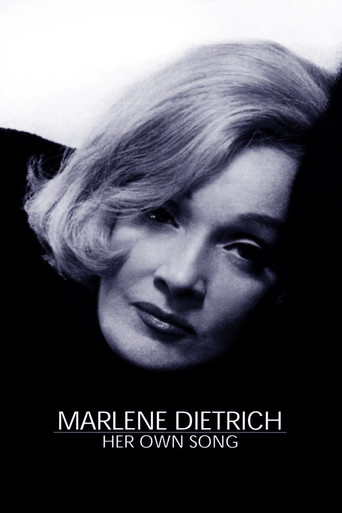
The films, affairs and struggles of the iconic star of The Blue Angel as told by Rosemary Clooney, Roger Corman, Deanna Durbin and many more.
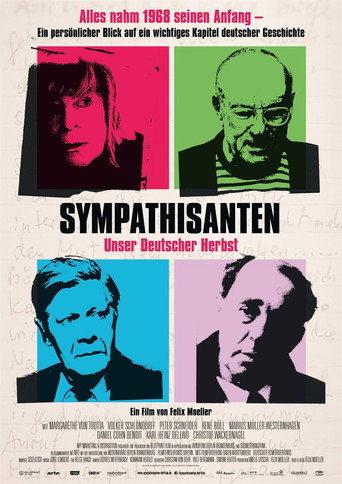
West Germany in the 1970s. Many artists, journalists and intellectuals were branded as sympathizers of Baader-Meinhof's left-wing terrorism. The parents of the director, too: Margarethe von Trotta and his stepfather, Volker Schlöndorff. With extensive archive materials and film clips as well as Margarethe von Trotta's private diaries the film portrays one German family and the society of the time.
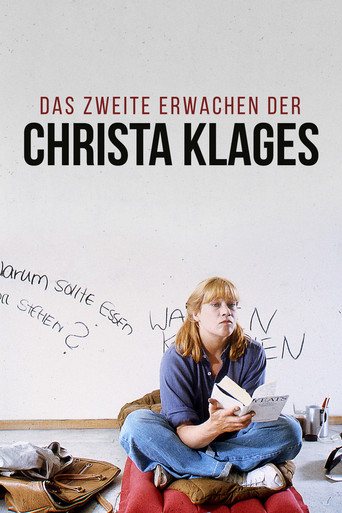
Three people rob a bank to help a day care center that's in debt. Wolf is captured, Werner identified, police suspect Christa is the third. She and Werner ask Hans, a clergyman, to launder the money and give it to the kindergarten. He refuses. They try Ingrid, Christa's friend, who tries to help, but the school rejects the money. When tragedy strikes Werner, Hans helps Christa bolt to a collective in Portugal. Ingrid visits her; their relationship makes the collective nervous, so she returns to Germany and ceases living in hiding. The police are still looking for her and so is a witness to the robbery, Lena, a bank clerk. Lena's interest brings Christa's second awakening.
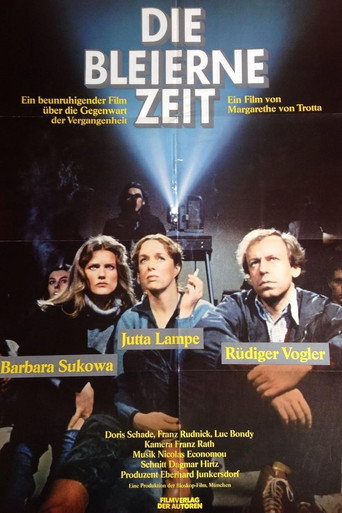
Germany, 1968: The priest's daughters Marianna and Juliane both fight for changes in society, like making abortion legal. However their means are totally different: while Juliane's committed as a reporter, her sister joins a terroristic organization. After she's caught by the police and put into isolation jail, Juliane remains as her last connection to the rest of the world. Although she doesn't accept her sister's arguments and her boyfriend Wolfgang doesn't want her to, Juliane keeps on helping her sister. She begins to question the way her sister is treated.
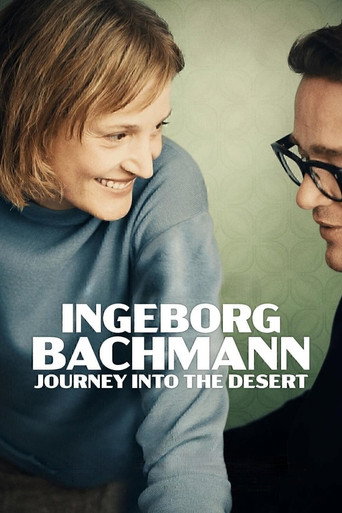
When Ingeborg Bachmann and Max Frisch meet for the first time in Paris in the summer of 1958, they are already international celebrities of the literary world. In the four years that follow, they dabble in great love and an open relationship between his hometown of Zurich and her adopted Rome.
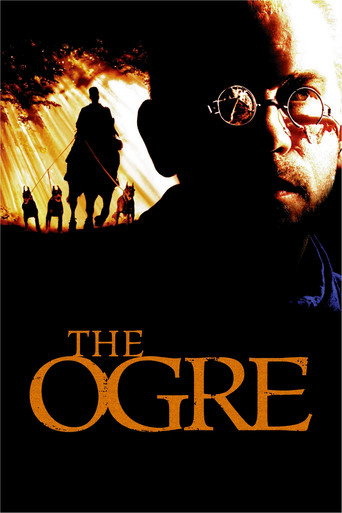
Frenchman Abel Tiffauges is a naive man who lives a simple life working as a mechanic. Falsely accused of being a child abuser, he is recruited as a soldier when World War II begins, but is captured soon and taken to the heart of Nazi Germany.
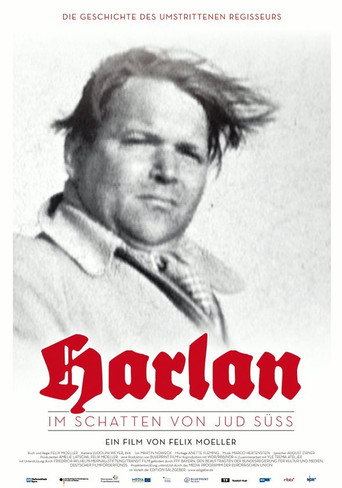
Though almost forgotten today, Veit Harlan was one of Nazi Germany's most notorious filmmakers. His most perfidious film was the treacherous anti-Semitic propaganda film Jud Süß - required viewing for all SS members. This documentary is an eye-opening examination of World War II film history as well as the story of a German family from the Third Reich to the present; one that is marked by reckoning, denial and liberation.
The history of a family, in the film business now for three generations, behind and in front of the camera. The film is not only a foray through the history of this remarkable family, but also through the history of German film and contemporary history as well.
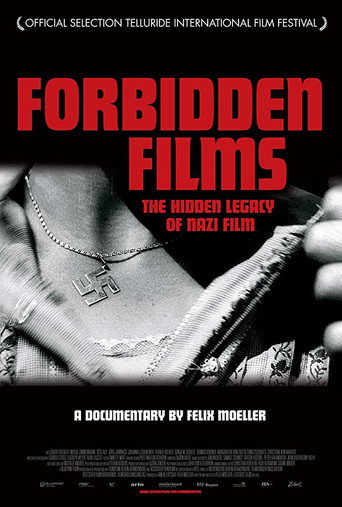
Between 1933 and 1945 roughly 1200 films were made in Germany, of which 300 were banned by the Allied forces. Today, around 40 films, called "Vorbehaltsfilme", are locked away from the public with an uncertain future. Should they be re-released, destroyed, or continue to be neglected? Verbotene Filme takes a closer look at some of these forbidden films.
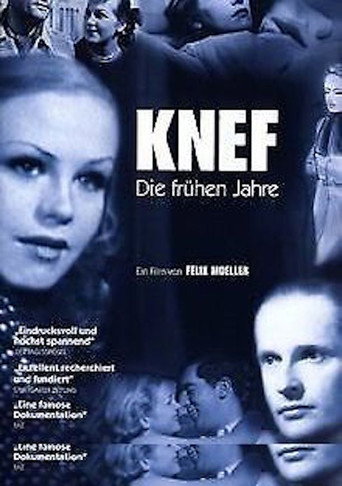
A documentary about the life of the actress Hildegard Knef.
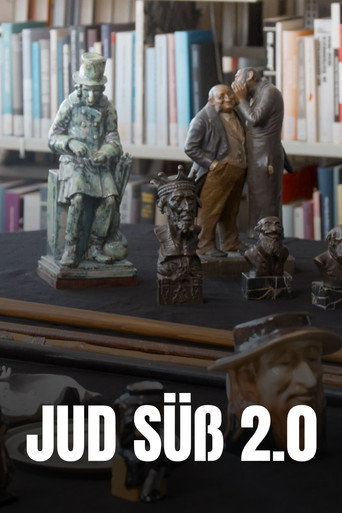
Since the outbreak of the global corona pandemic, the number of anti-Semitic content on the Internet and social media has also been increasing. Researchers see a connection between online radicalization and anti-Semitic violence – and also attacks. "Jud Süß 2.0" documents the visual roots of this new anti-Semitism.