Acting
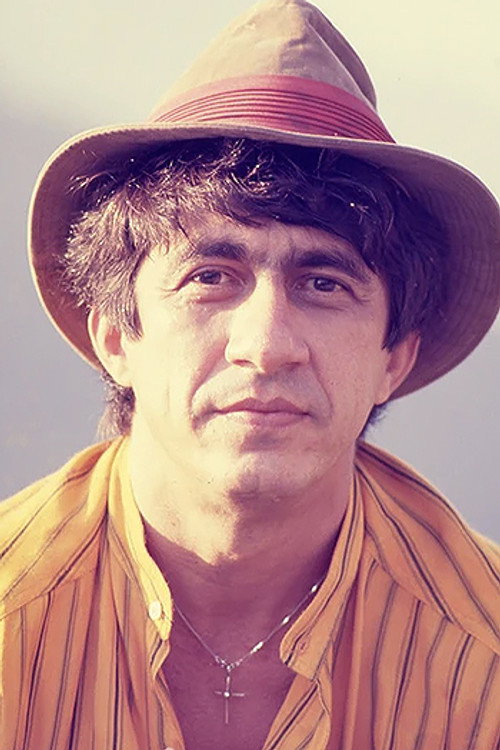
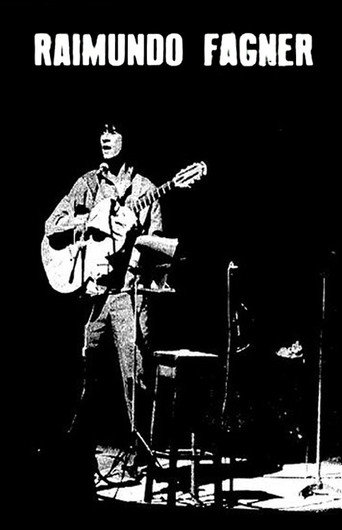
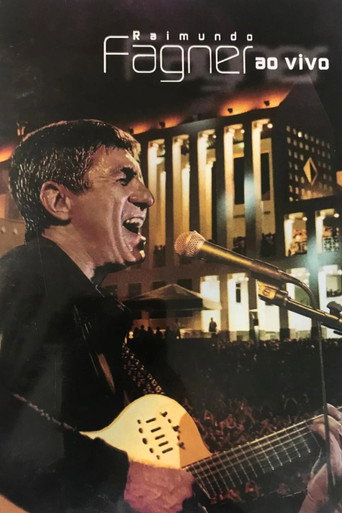
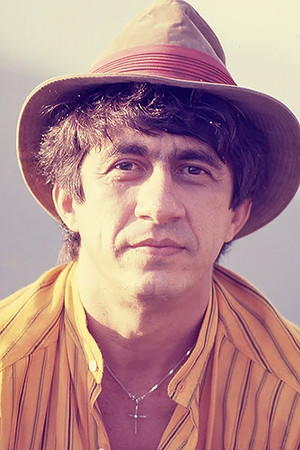
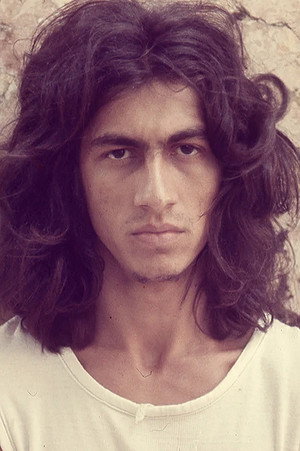
Raimundo Fagner Cândido Lopes, better known simply as Fagner (Fortaleza, October 13, 1949), is a Brazilian singer, composer, instrumentalist, actor and producer, and one of the members of the so-called Pessoal do Ceará.
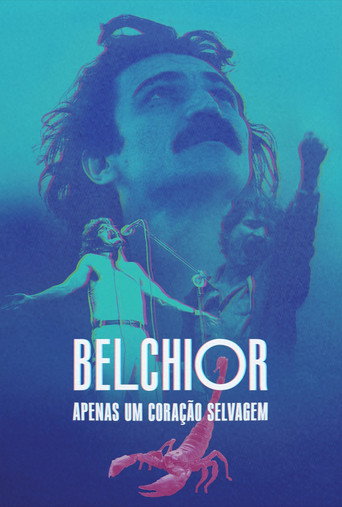
Antonio Carlos Gomes Belchior Fontenelle Fernandes, or simply Belchior, in a self-portrait that plunges into the wild heart of the poet, singer and composer from Ceará, Brazil who, with his work and his cutting ideas, marked and still marks the lives of so many people.
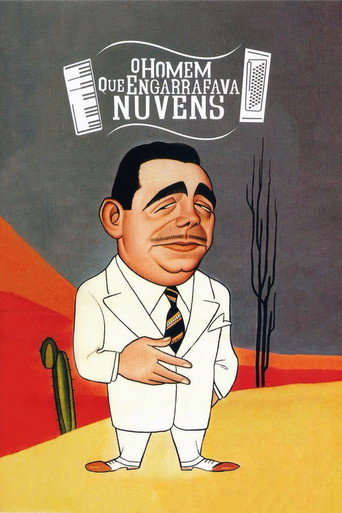
A host of personalities reminisce about the life and work of songwriter, lawyer, and congressman Humberto Teixeira — aka "Baião Doctor" — the author of such classic Brazilian popular songs as "Asa Branca". A musical film about the baião, a movement in Brazilian music in the 1940s and 1950s that was later snowed under by samba and bossa nova.
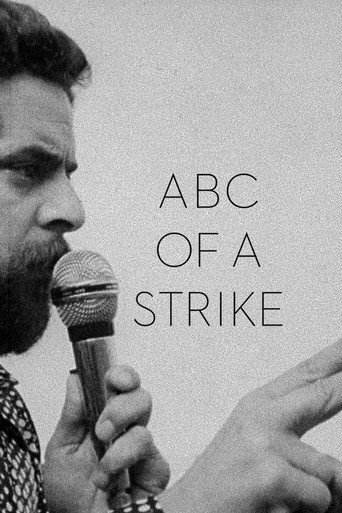
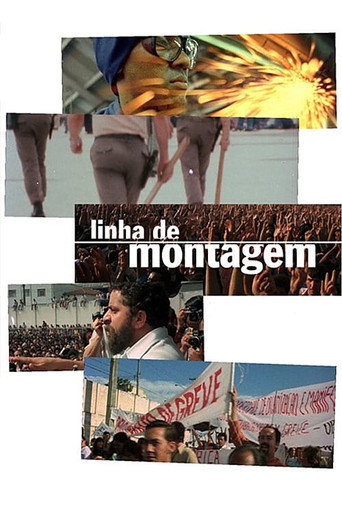
ABC of a Strike captures the 1979 metal workers strikes outside of São Paulo. The footage sat untouched until after the death of highly-regarded director Leon Hirszman in 1987, by which time the material had a new relevance. The gripping film captures the negotiations between the labor unions and the factory bosses and shows the birth of the region’s Worker’s Party, as well as the emergence of its charismatic leader, Luiz Inácio Lula da Silva. Rising from extreme poverty, Lula gained national prominence as a union activist during the late 70s and early 80s. After being jailed during his time as a union leader, he eventually becomes Brazil’s president from 2003 to 2010.
In the late 1970s, young filmmaker Sérgio Santos from Rio de Janeiro lived in Santa Teresa and was a neighbor and friend of singer Raimundo Fagner from Ceará, who was beginning to reap the first fruits of a solid and long career that he would build over the following decades. Sérgio then decided to make a short film to record moments of the rising star.
Documentary about the strikes that took place in São Bernardo do Campo, in the State of São Paulo, Brazil, circa 1979/1980. That moment was of utmost importance, since it revealed a Union leader, Luís Inácio "Lula" da Silva, who would later become President of Brazil. It was also the moment when PT, the Workers' Party, became a relevant political force in Brazil.