Visual Effects
No biography available.
Various crew members talk about the making of Dario Argento's Inferno.
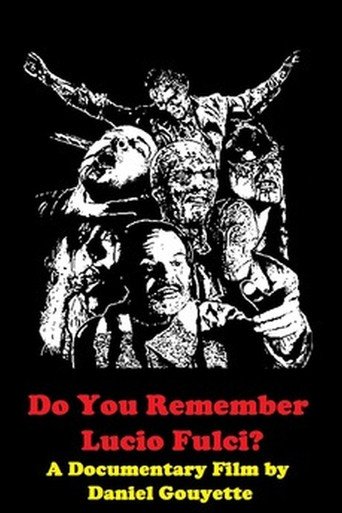
Documentary in which Lucio Fulci's friends and collaborators remember him in a wide range of aspects, from the personal to the professional.
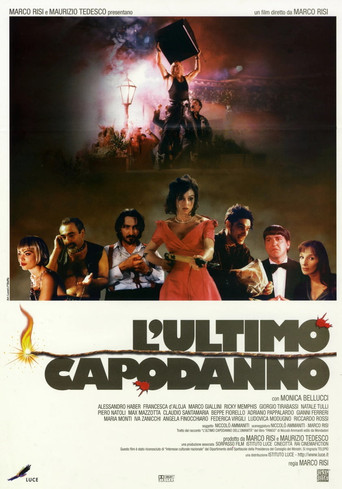
New year's eve at "The Islands" condos. An aging countess's party is crashed by the soccer team from her gigolo's town. While dressing for a dinner party, the wealthy Guilia discovers her husband's affair with her best friend and vows revenge. Next door, a family prepares their vintage Dodge for a drive through the streets. A call girl ties up a lawyer while, unbeknownst to him, three men await the right moment to break into his office. Across the hall, a woman downs pills in a lonely suicide attempt. Two young men hide out in a bedroom smoking dope; one of them has some dynamite. As midnight approaches, each group draws closer to grotesque tragedy.
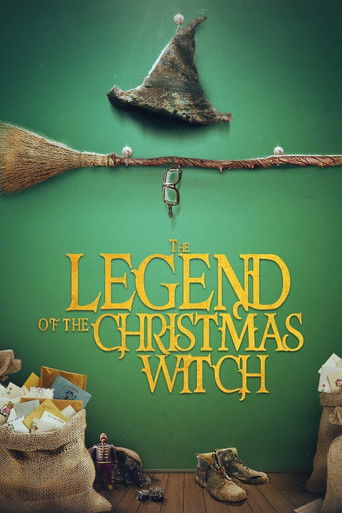
When six elementary school students suspect their missing teacher is Befana, a Christmas witch who delivers presents to good children, they set off on a magical journey to save her.
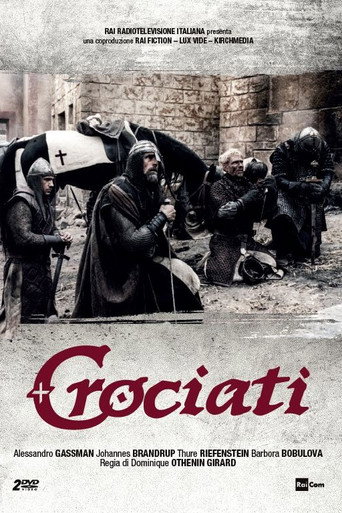
Towards the end of the eleventh century, Pope Urban II announces a crusade against the Saracens, who have occupied the holy city of Jerusalem. Three young friends Richard, Peter and Andrew set off to join the crusading army.
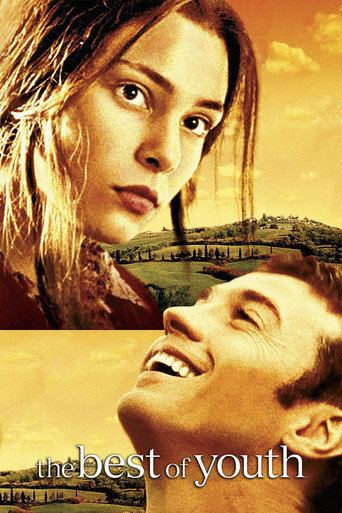
After a fateful encounter in the summer of 1966, the lifepaths of two brothers from a middle-class Roman family diverge, intersecting with some of the most significant events of postwar Italian history in the following decades.
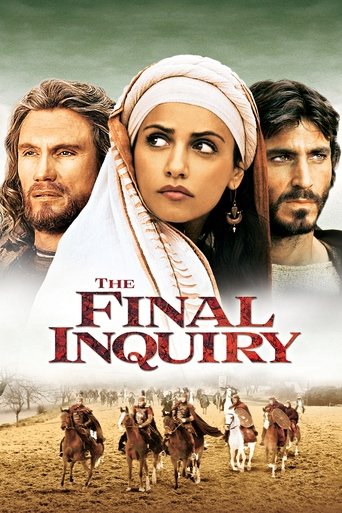
In 35 A.D., a Roman tribune is sent to Palestine to investigate the death and possible resurrection of a certain Jesus from Nazareth.
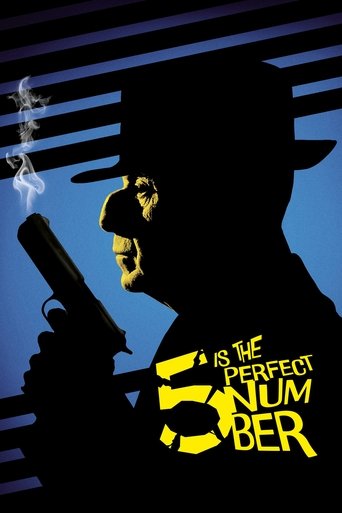
Peppino, a retired hitman for the Camorra, has now fully passed on his job and know-how to his single son, Nino. But when Nino is brutally assassinated, the old man is back in business to take revenge. Aside his everlasting love Rita and his longtime henchman Totò, Peppino will go to any lengths, even if it means bringing the Camorra down.
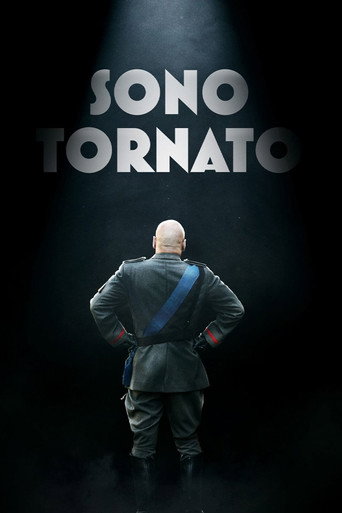
Benito Mussolini resurfaces in Rome 72 years after his death, as if not a single day had passed. Finding a country still full of problems, both old and new, his firebrand rhetoric wins him once again the hearts and minds of millions of Italians — who see him as a wacky reenactor who speaks inconvenient truths to power.
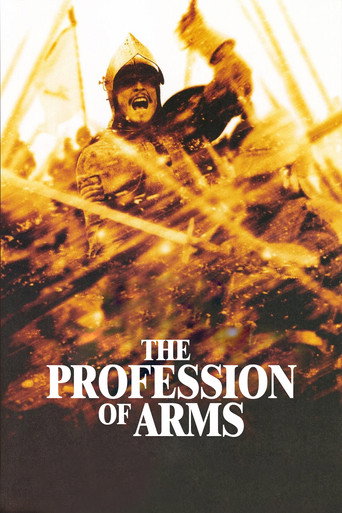
In autumn of 1526, the Emperor, Charles V, sends his German landsknechts led by Georg von Frundsberg to march towards Rome. The inferior papal armies, commanded by Giovanni de'Medici, try to chase them in the midst of a harsh winter. Nevertheless, the Imperial armies manage to cross the rivers along their march and get cannons thanks to the maneuvers of its Lords. In a skirmish, Giovanni de'Medici is wounded in the leg by a falconet shot. The attempts to cure him fail and he dies. The Imperial armies assault Rome. The film is beautifully but unassumingly set, and shows the hard conditions in which war is waged and its lack of glory. It ends straightforwardly with the declaration made after the death of Giovanni de'Medici by the commanders of the armies in Europe of not using again fire weapons because of their cruelty.
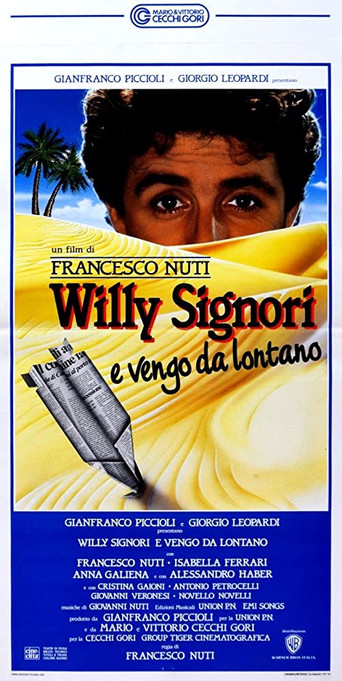
Willy is involved in a fatal car accident. Willy takes on the responsibility of supporting the dead man's pregnant girlfriend and the child, after it's birth.
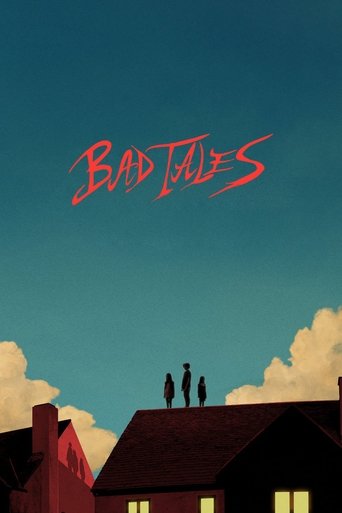
In a small suburb on the outskirts of Rome, the cheerful heat of summer camouflages a stifling atmosphere of alienation. From a distance, the families seem normal, but it’s an illusion: in the houses, courtyards and gardens, silence shrouds the subtle sadism of the fathers, the passivity of the mothers and the guilty indifference of adults. But it’s the desperation and repressed rage of the children that will explode and cut through this grotesque façade, with devastating consequences for the entire community.