Editing
No biography available.
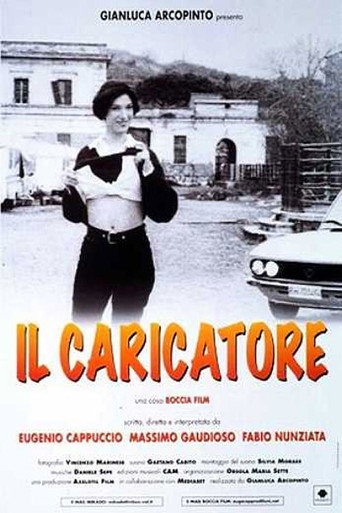
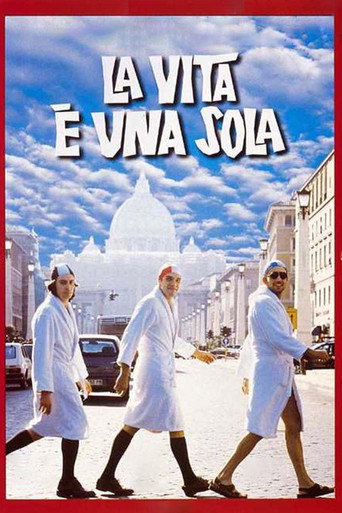
Three friends, who are also young filmmakers, decide to write and shoot a film, starting from the disheartening realization that they only have one roll of film. They contact acquaintances and film producers, even getting involved in long soccer games to please the latter. In the end, they succeed in their endeavor, but... what an effort!
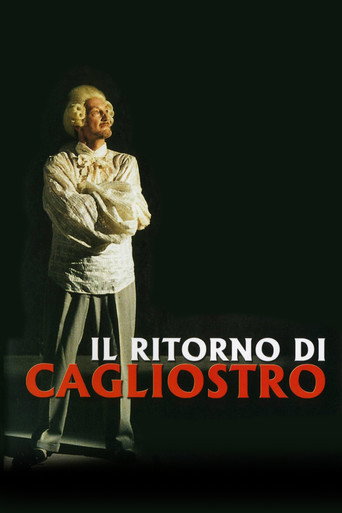
In the Sicily of the late 1940s, two brother sculptors, tired of selling madonnas to the local churches, finally realize their dream, and set up a Sicilian production company, thanks to the help of a local bishop. They start producing one box-office failure Z-movie after the other, all with terribly bad local non-pros as actors. Covered in debts, they finally have their great chance, when a local nobleman obsessed by magic decides to invest all his wealth in the making of a movie about Cagliostro, just one year after Orson Welles' Black Magic (1949). They hire a famous American actor (Robert Englund) and start shooting "The Return of Cagliostro".
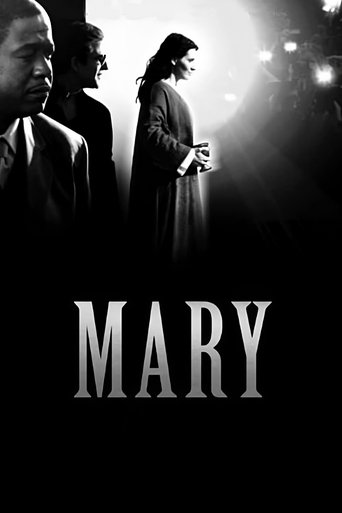
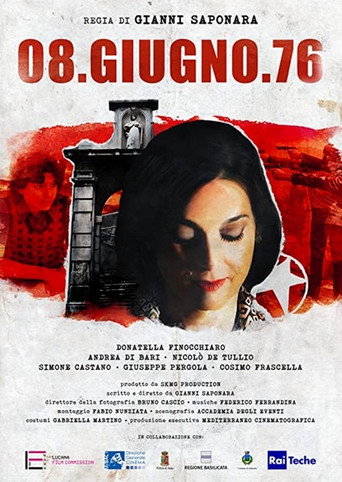
The filming of a movie about Jesus’ death deeply affects three people — an egotistical director who cast himself as Christ, the actress playing Mary Magdalene who cannot bring herself to leave Bethlehem and a TV journalist whose spiritual doubts start to consume him.
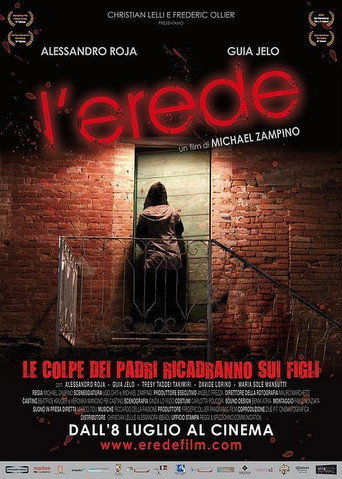
Dopo la morte del padre, Bruno, medico milanese, prende possesso di una vecchia villa immersa nella natura selvaggia degli Appennini. Non sarà un’eredità facile. La conoscenza dei vicini lo farà precipitare in una spirale di sospetti che cambieranno per sempre la sua esistenza...
An elderly man stands near a swimming pool, looking at a photo of two teenagers, with both tenderness and melancholy. His memories arise as a mixture of reality and dreams. The two young boys, who had served together during the Second World War, meet in a hotel many years later. Their meeting leads to the revival of a love that never died and is now renewed.
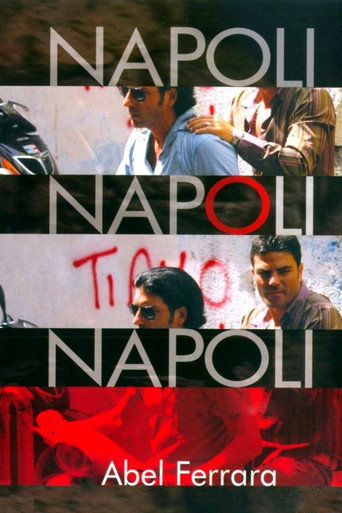
Weaving together fact and fiction, this docudrama performs a portrait of the often seamy underside of the city of Naples.Ferrara traveled to Italy to interview the inmates at the Naples Pozzuoli State Prison, a high security lockup for women, and with the help of a translator he allows a number of women doing time to talk about their lives before and after they were convicted. Ferrara chose to expand the short profile of the prisoners into a feature by offering a look at life in the slums of Naples and the actions of a number of law enforcement officers and social workers struggling to improve conditions for the poor, as well as adding three short fictional segments shot of digital video gear.
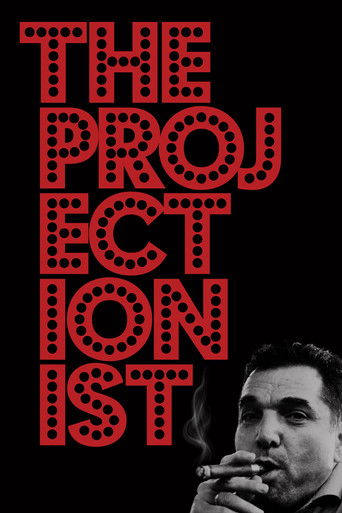
In his first New York City-set documentary in nearly a decade, filmmaker and provocateur Abel Ferrara uses the experience of one longtime cinema owner to chart the vast changes to the city’s theatrical landscape.