Directing
Fábio Villela Barreto Borges (Rio de Janeiro, July 6, 1957 – Rio de Janeiro, November 20, 2019) was a Brazilian filmmaker, actor, producer and screenwriter.
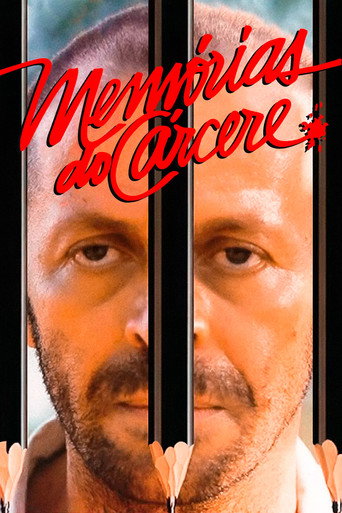
In the 1930s, novelist and politician Graciliano Ramos is accused of being a communist sympathizer. He is then arrested and sent to the Ilha Grande prison, where he experiences the disturbing treatment reserved for common prisoners.
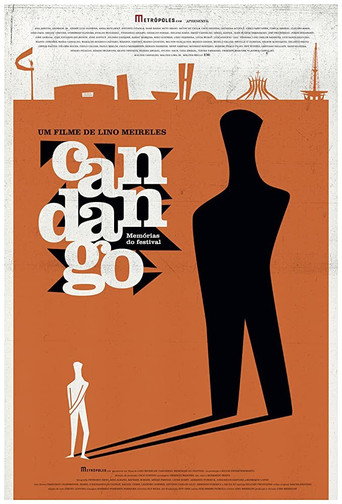
In 1965, a year after the military coup in Brazil, an oasis of freedom opened in the country's capital. The Brasília Film Festival: a landmark of cultural and political resistance. Its story is that of Brazilian cinema itself.
American couple move to the State of Ceará, Brazil, in the 1930s. The husband is looking for oil. His beautiful wife, Donna, soon falls in love with a rude but charming fisherman. The forbidden romance may destroy her marriage and upset the morals of the small village where they live.
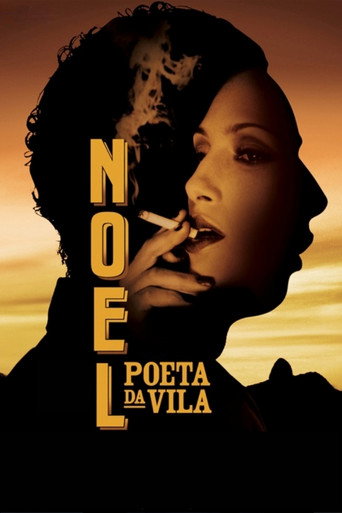
The biopic of Noel Rosa, one of Brazil's best poets and composers.
Tereza tries to leave her past and forge her own destiny and happiness by going through several affairs.
1943, World War II. The northeastern coast of Brazil is an strategic region for the Allies. Giancarlo, an Italian immigrant married to a Brazilian woman, lives nearby the Parnamirin Field, the largest military base built by the USA outside of their territory. In this new base, Brazilian recruits who speak English suddenly find themselves reaching privileged positions.
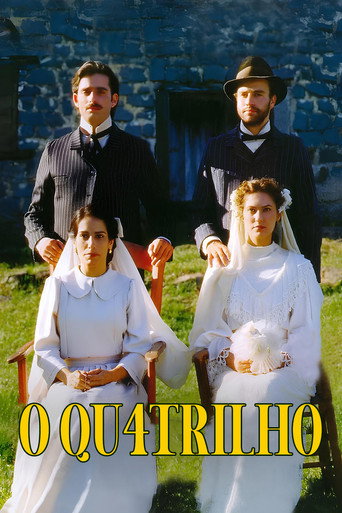
The story of two immigrant couples: Teresa and Angelo; Pierina and Massimo. While fighting for survival in the new world, the unexpected love of Massimo and Teresa appears. They react against family and cultural traditions and leave to a new destiny, leaving their partners. Quatrilho is the name of a card game in wich the player have to betray his partner in order to become the champion.
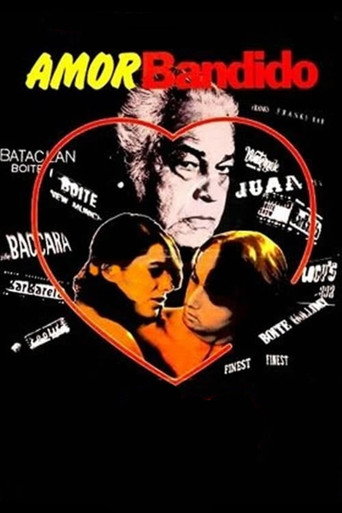
Police investigator Galvão is pursuing two trails, one professional and one personal. While he looks for a serial killer, he also searches for his estranged daughter, Sandra, whom he kicked out of the house. Lives intersect when the serial killer, Toninho, befriends Sandra, now an exotic dancer and prostitute living and working in the seamy underside of late 1970s Rio.
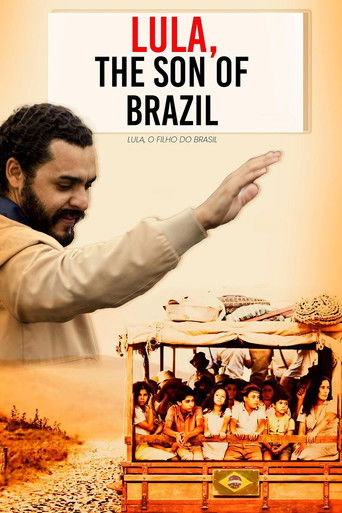
The true story of a working class boy who moves to the nation's financial capital at a young age and becomes one the most influential politicians in Brazilian history.
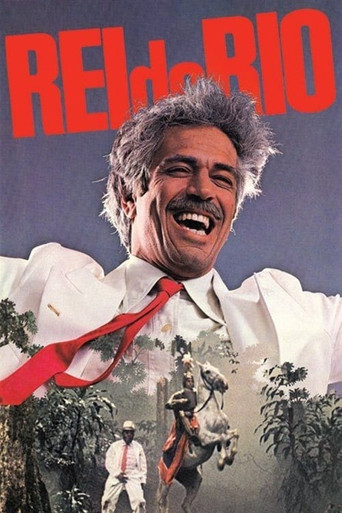
Two friends get rich running an illegal gambling business. But soon they start to compete, and become rivals.
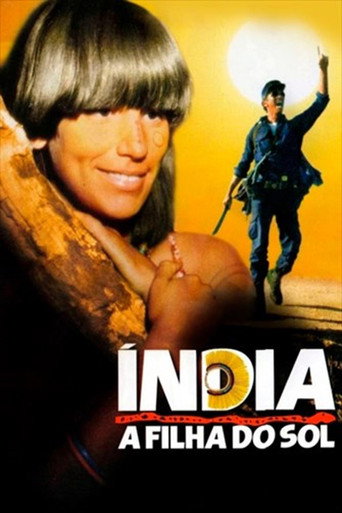
A military man picks up a Native Brazilian woman and heads to a gold panning site where he has undisclosed business to attend to.
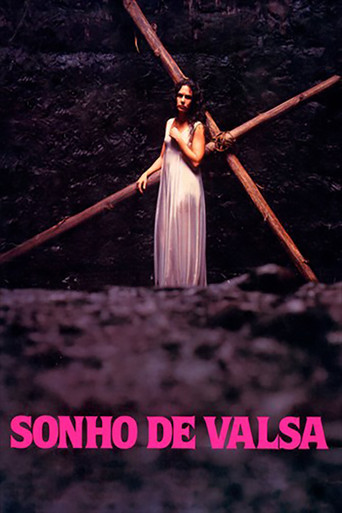
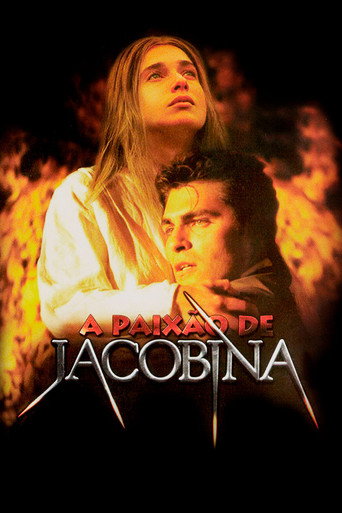
In the mid-1870s, Jacobina, daughter of German immigrants, became leader of a sect that believed in healing the body by cleansing the soul. After having a divine vision and speaking to Jesus, she changes her appearance and manners, disturbing the conservative population of the place. After the death of opponents of her sect, local authorities decide to take action against her and her followers.
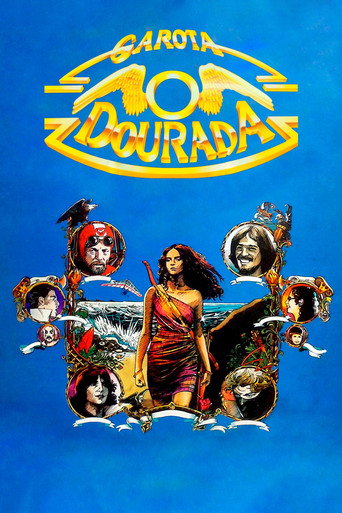
After witnessing the assassination of her parents, Luzia is raised by a cowboy and starts behaving like the men of Brazilian "Sertão". As a grown-up, she sets out to find her parent's murderer, but ends up discovering love.
In a beautiful coastal retreat, a seductive young woman ignites a rivalry between two surfers vying for her affection. One of them is trying to move on from a past love, but when she unexpectedly reappears, he finds himself torn.
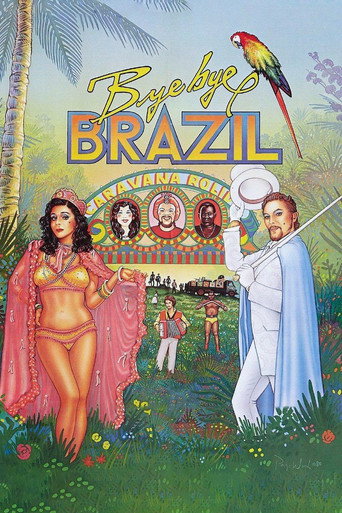
The Caravana Rolidei rolls into town with the Gypsy Lord at the mike: he does magic tricks, the erotic Salomé dances, and the mute Swallow performs feats of strength. A young accordion player is completely enamored of Salomé, and he begs to come along. The Gypsy Lord shrugs, and the accordionist and his pregnant wife, Dasdô, join the troupe.