Acting
No biography available.
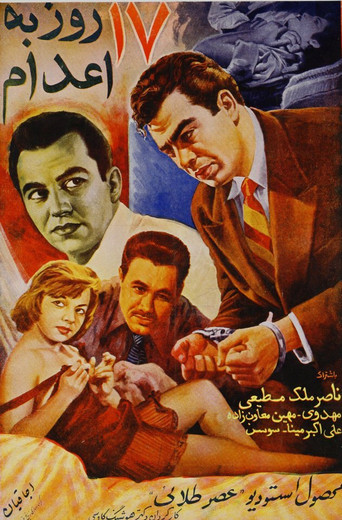
Seventeen days till execution.
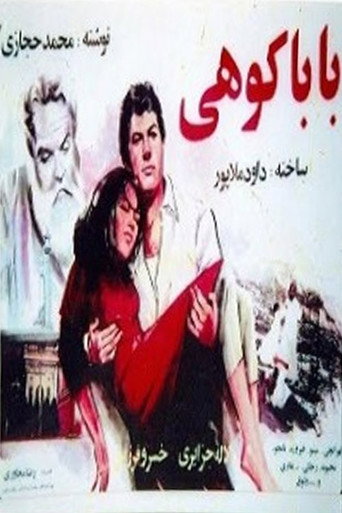
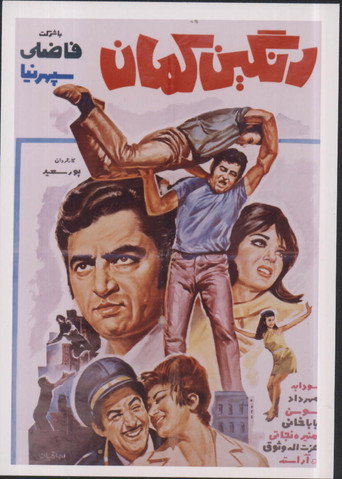
A relatively wealthy family takes a child from a village to the city to serve in their house. The child patiently and dedicatedly uses his minimal free time for education and becomes an active and valuable person in his youth. While Hamid, the eldest son of the family, who grew up in prosperity, becomes a delinquent youth. The two fall in love with a young girl.
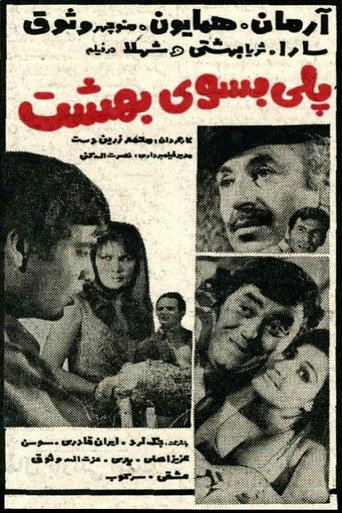
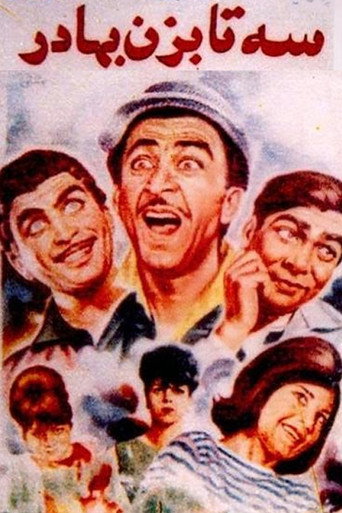
Amir, Naser and Mansour try hard to obtain ten thousand Tomans in order to release Narges's father from prison. At the same time, a runaway thief throws a bag full of money into their house. After a while, the landlord forces them out and Narges keeps their furniture which includes the bag too. The thief's teammates are searching for the bag but they fail to find it, and finally police arrives and the bag is found and delivered to the owner. The owner gives the young men ten thousand Tomans which they need, and so Narges's father is released.
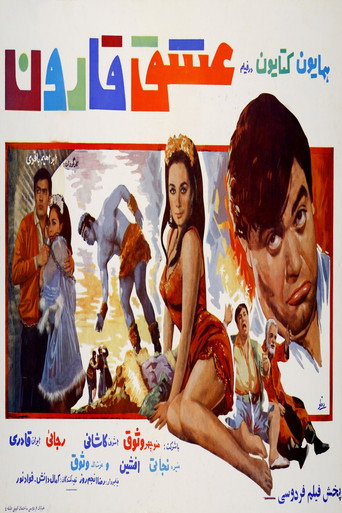
Mirza is interested in Laila, Ramadan's daughter, but her daughter and her family are against this relationship. Leila is interested in a young worker named Ahmed. Mirza and his servant Rajab catch a fish from the river, which has a legendary ring in its belly. By reading the writing on the ring, they encounter a giant who calls himself Jumbo, and Mirza asks the giant to provide them with a large fortune. After becoming rich, Mirza calls himself Qaroon and proposes to Leila. Laila's parents agree to her request, but Laila herself, who is against the medicine her mother gives her, agrees to the marriage.
A man has four children, one of which is not his real child. There is a rivalry between this adopted child and one of the man's real sons. As a final blow, the real son shares the fact that his identity is fake with the adopted brother. The boy followed the matter and found his dying mother and through her he finally found his real father before he passed away.
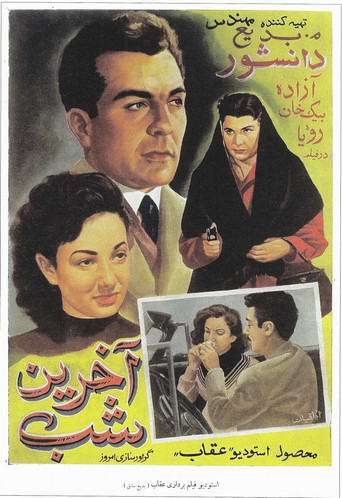
A fine example of the female-led melodramas of the 1950s that revived Iranian cinema after a long hiatus during WWII, The Last Night follows Monir, a happily married woman who gets blackmailed by her former lover and must rely on an actress to clear her name. There’s a striking sense of 1950s Iranian cosmopolitanism, especially when the camera leaves the studio and ventures into the streets of Tehran or the ski resorts in the north of the city.
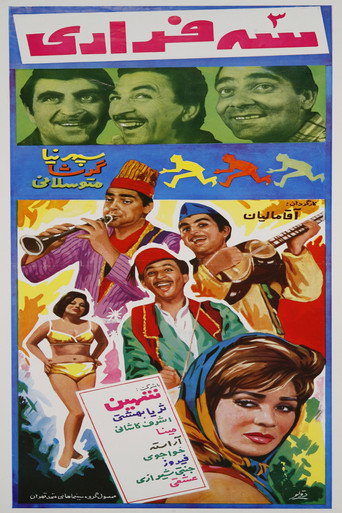
The three youngsters decide to buy a plot of land and create an orphanage for orphans. They fail and the three young men get the piece of land.