Ezio Frigerio Movies, TV Shows, and Filmography
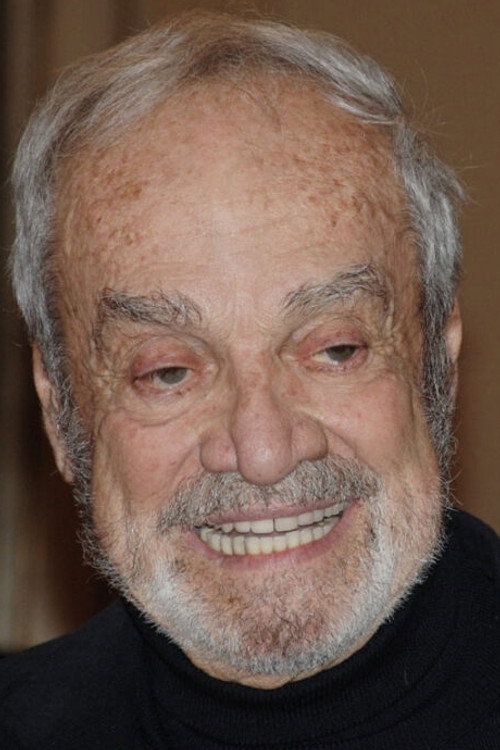
Ezio Frigerio
Art
Biography
Ezio Frigerio (16 July 1930 – 2 February 2022) was an Italian costume designer and art director. After finishing architecture studies, he approached theatre art by realising the costumes for Casa di Bambola and L'opera da 3 soldi, two plays directed by Giorgio Strehler at Piccolo Teatro in the 1955-56 theatre season. From then on a fertile artistic marriage started between art director and producer, setting up several unique productions as I giganti della montagna (1966), Santa Giovanna dei macelli (1970), Re Lear (1972), Il temporale (1980), L'Illusion Comique, which premiered in 1984 at Théatre de l'Odéon in Paris, La grande magia, which premiered in 1985 and was reprised several times. The collaboration with Strehler made Frigerio enter the world of opera: Mozart's Le Nozze di Figaro, Don Giovanni and Così fan tutte were realized by Strehler and Frigerio between 1973 and 1996. Così fan tutte was being staged just before Strehler died. Frigerio also created stage designs for the Burgtheater in Vienna: Trilogie der Sommerfrische (Trilogia della villeggiatura) by Carlo Goldoni, directed by Strehler, 1974; Judith by Hebbel, directed by Gerhard Klingenberg, 1975. Other operatic stage designs include: Cherubini's Medea, directed by Liliana Cavani, for the Opéra National de Paris; Strauss' Elektra, directed by Nuria Espert, for De Munt Theatre in Brussels; Verdi's Ernani, directed by Luca Ronconi, 1980, Beethoven's Fidelio, directed by Werner Herzog in 1999 for the Teatro alla Scala in Milan; Bellini's Norma, directed by Piero Faggioni, for the Vienna State Opera in 1977; Verdi's Rigoletto, for the Polish National Opera in 1997. The team of Frigerio and Squarciapiano also designed the Met Opera's gorgeous and sensational Zandonai FRANCESCA DA RIMINI in 1984 (Scotto, Domingo, MacNeil, Levine). Frigerio also created the sets for Liliana Cavani's movie Galileo e i Cannibali and Jean-Paul Rappeneau's Cyrano de Bergerac, which got an Oscar nomination in 1991. He designed the grave of Rudolf Nureyev. Frigerio often collaborated with Italian costume designer Franca Squarciapino who was also his life partner. Frigerio died on 2 February 2022, at the age of 91. Source: Article "Ezio Frigerio" from Wikipedia in English, licensed under CC-BY-SA 3.0.
Filmography Movies
Production
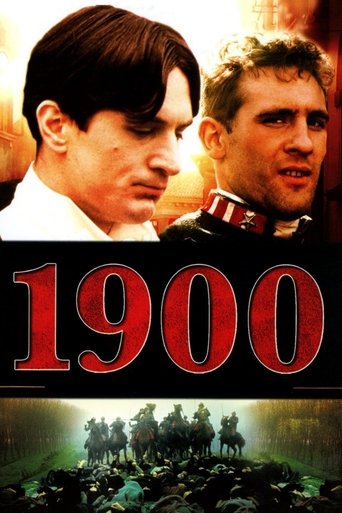
1900
The epic tale of a class struggle in twentieth century Italy, as seen through the eyes of two childhood friends on opposing sides.
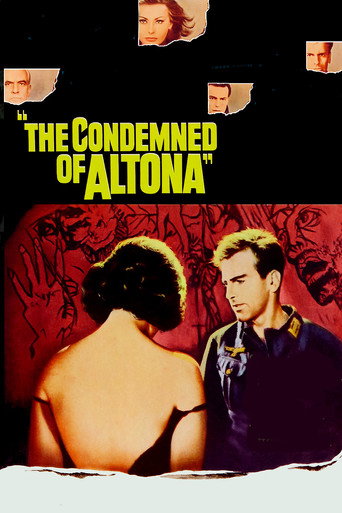
The Condemned of Altona
A dying German magnate invites his youngest son and daughter-in-law home to discuss the future of the family's shipbuilding empire. There, the daughter-in-law stumbles upon a secret of the family's Nazi past.
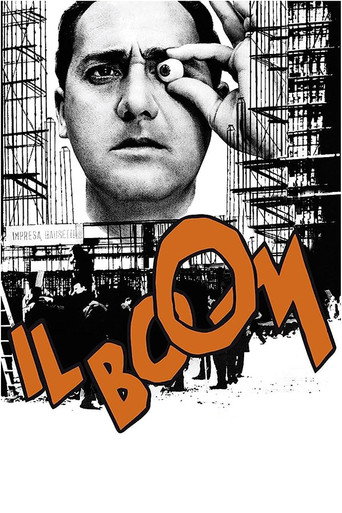
The Boom
Sweet-sour comedy on Italy's 1950s rage to get rich as fast as possible! The businessman wants to satisfy his wife's craving for luxury and a "respectable life" so he becomes heavily indebted. In desperation he agrees to sell a precious part of his body for a large sum of money. But just before the crucial operation he panics...
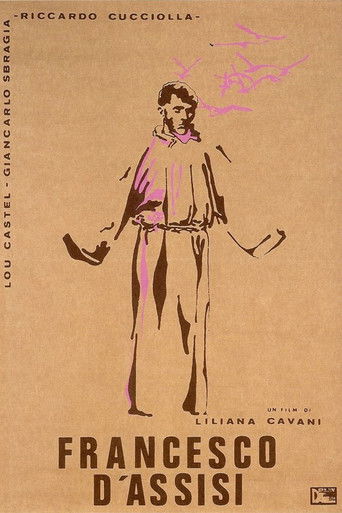
Francis of Assisi
A 1966 biopic of Francis of Assisi presents him as a troubled rebel and champion of radical brotherhood, reflecting the spirit of 1968 student protests. Praised and condemned, the film sparked controversy for its bold, dissenting portrayal of faith.
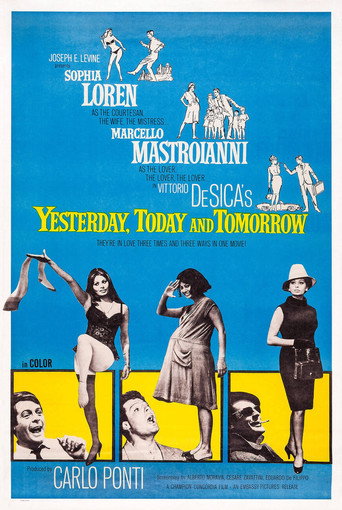
Yesterday, Today and Tomorrow
Three tales of very different women using their sexuality as a means to getting what they want.
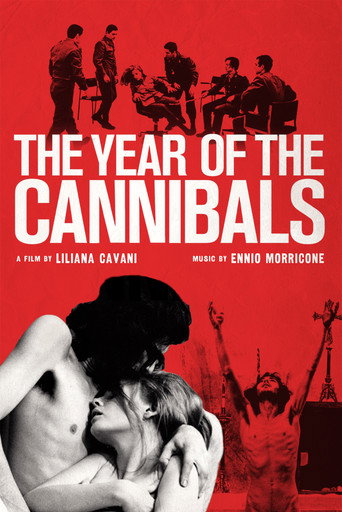
The Year of the Cannibals
On the streets of a damp metropolis lie the corpses of hundreds and hundreds of boys and girls. No one can give them a resting place because of a law enacted by a repressive State. But the young Antigone, with the help of a foreigner, Tiresias, violates this rule in the name of pietas, undermining the established order.
The Year of the Cannibals
On the streets of a damp metropolis lie the corpses of hundreds and hundreds of boys and girls. No one can give them a resting place because of a law enacted by a repressive State. But the young Antigone, with the help of a foreigner, Tiresias, violates this rule in the name of pietas, undermining the established order.
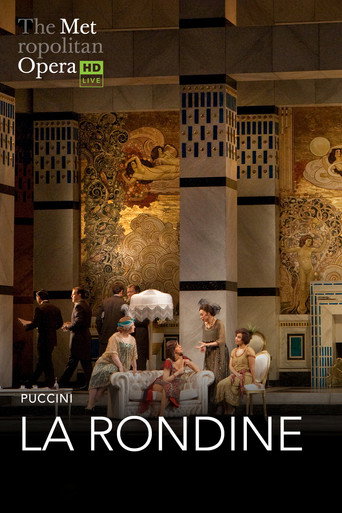
The Metropolitan Opera: La Rondine
Puccini’s bittersweet love story returns to cinemas, with soprano Angel Blue starring as the French courtesan Magda, opposite tenor Jonathan Tetelman as Ruggero, an idealistic young man who offers her an alternative to her life of excess. Maestro Speranza Scappucci conducts Nicolas Joël’s Art Deco–inspired staging, which transports audiences from the heart of Parisian nightlife to a dreamy vision of the French Riviera. Soprano Emily Pogorelc and tenor Bekhzod Davronov complete the sterling cast as Lisette and Prunier.
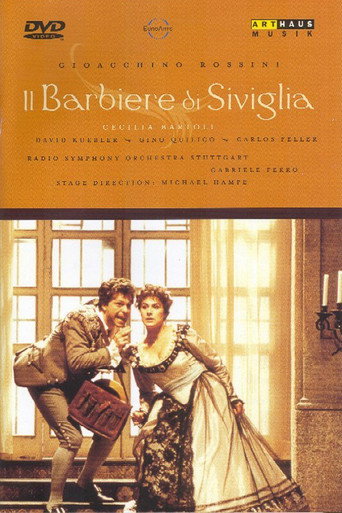
Il Barbiere di Siviglia
Live performance from Schwetzinger Festspiele, 1988. What sets this IL BARBIERE DI SIVIGLIA apart from all others available is its elegant realism. None of its visuals are the least bit cartoonish or blatantly designed for comedy. Dr. Bartolo’s house is a stark, stern-looking structure of plastered brick with a comfortable yet plain, white-curtained interior, while the costumes are highly realistic 18th century garb in subdued colors. Yet despite its fairly austere appearance the production is delightful, thanks to its performers and staging. The stage business is lively, witty and free of excessive slapstick, and every singer brings his or her character to life, all offering rich, vibrant characterizations that strike a perfect balance between comedy and humanity.
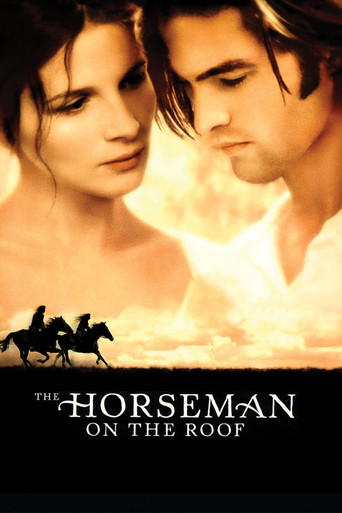
The Horseman on the Roof
In a time of war and disease, a young officer gallantly tries to help a young woman find her husband.
Gallery