Art
No biography available.
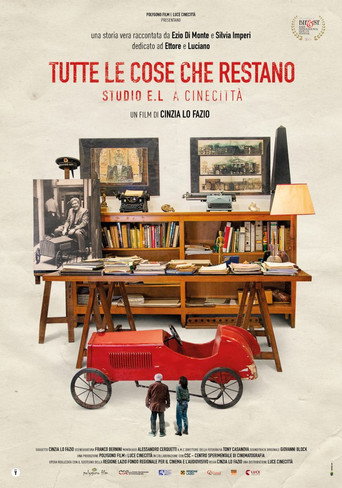
In a hidden corner of Cinecittà there is a magical place that no one knows about and that was about to disappear. It is STUDIO EL founded in 1983 by Ettore Scola and Luciano Ricceri. A creative space, a sort of Renaissance workshop, a factory. A place where the two great friends prepared their great films in Cinecittà, but where they gave the opportunity to many young people to grow and improve their professionalism. After the passing of Ettore Scola and Luciano Ricceri, time at Studio E.L stopped along with many objects that are the memory of almost 40 years of history of our cinema. Before Studio EL closes forever, becoming a museum space inside Cinecittà, we would like to give the objects it contains the value they deserve and tell their stories.
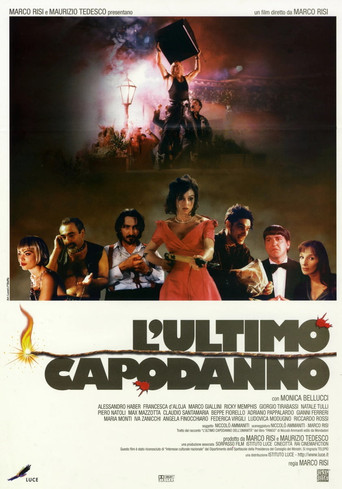
New year's eve at "The Islands" condos. An aging countess's party is crashed by the soccer team from her gigolo's town. While dressing for a dinner party, the wealthy Guilia discovers her husband's affair with her best friend and vows revenge. Next door, a family prepares their vintage Dodge for a drive through the streets. A call girl ties up a lawyer while, unbeknownst to him, three men await the right moment to break into his office. Across the hall, a woman downs pills in a lonely suicide attempt. Two young men hide out in a bedroom smoking dope; one of them has some dynamite. As midnight approaches, each group draws closer to grotesque tragedy.
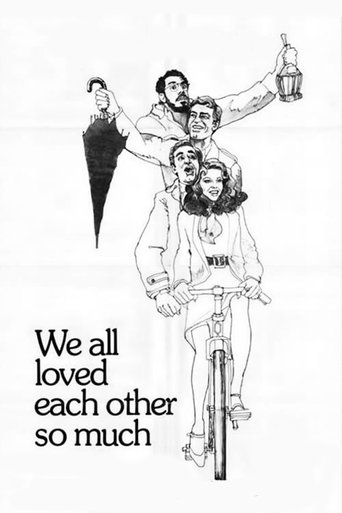
Three partisans bound by a strong friendship return home after the war, but the clash with everyday reality puts a strain on their bond.
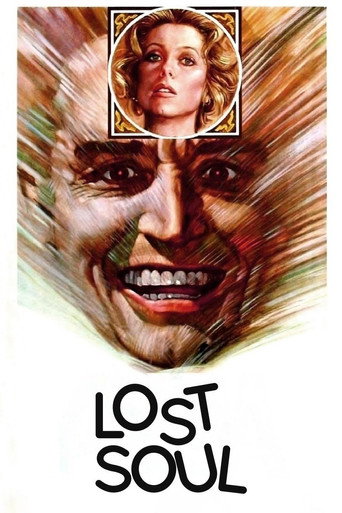
Bizarre events keep occurring in an old mansion, and it's soon become obvious that something mysterious is up in the attic.
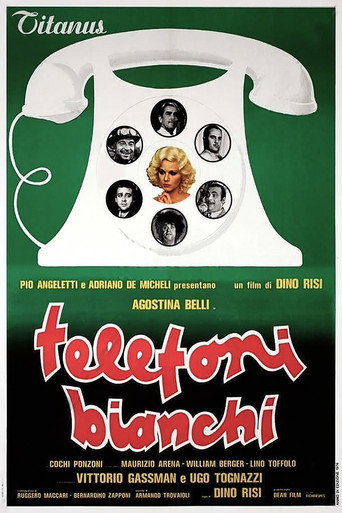
This slight skewering of the mindset of the Fascist era when Italy’s “White Telephone” films (conservative minded sophisticated comedy-dramas revolving around the bourgeoisie) were in vogue gives Agostina Belli her best role – an ambitious Venetian girl that goes from chambermaid to prostitute to singer to film-star to mistress of ‘Il Duce’! – for which she received a special David Di Donatello award, the Italian equivalent of the Oscar.
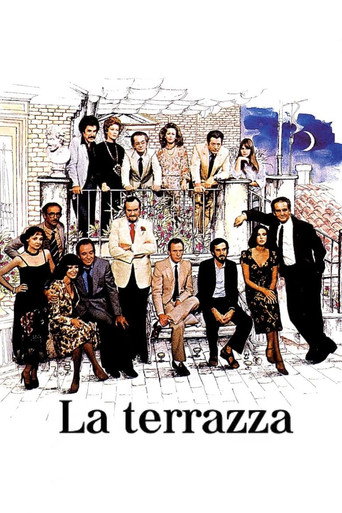
Eight Italian politicians from the communist party gather on a terrace in Rome for a get-together. They discuss about their past, present and future.
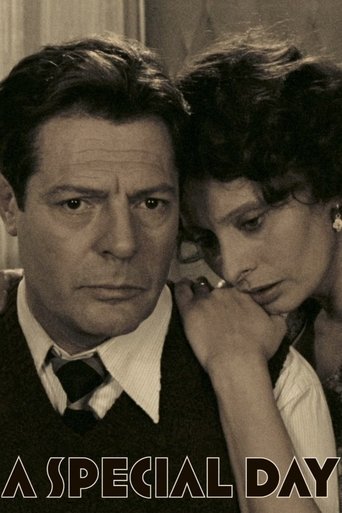
Two neighbours — a persecuted journalist and a resigned housewife — forge a strong bond on the day of Adolf Hitler's historic 1938 visit to Rome.
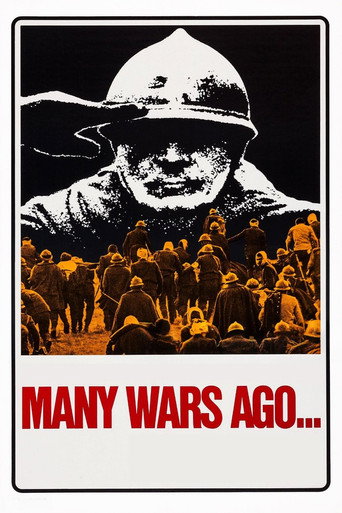
Time after time, soldiers of the Italian Army are forced to leave their mountain trenches in attempts to storm an enemy fortress, always with the same disastrous results. As casualties mount, indignation spreads among the rank and file. Disturbed by his superiors' decisions, Lieutenant Sassu is led to question the purpose of war and reconsider where his real duties lie.
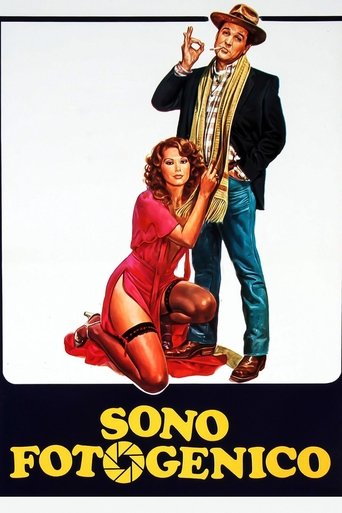
Antonio Barozzi moves from Lago Maggiore to Rome to become an actor. He does not realize his agent and acting coach are only manipulating him to further their own careers.
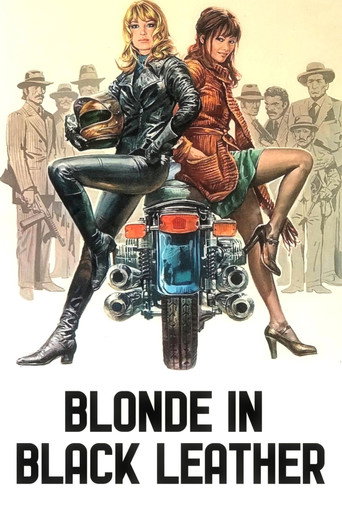
Two racy women decide to chuck their mundane lives and go on a wild adventure.
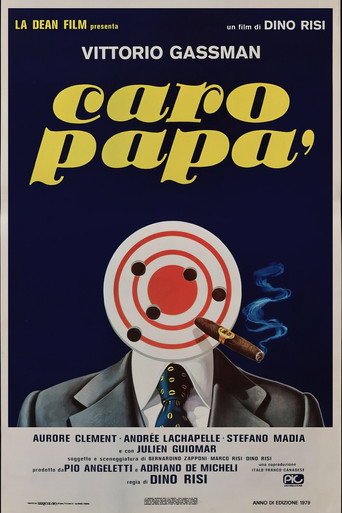
In Caro papá, Dino Risi is telling the story of the decadent lifestyle, and dysfunctional family, of a wealthy businessman (played to perfection by Risi's favorite leading man, Vittorio Gassman). Risi paints his portrait against a backdrop of an Italy where the new permissiveness has run rampant, traditional socio-cultural values have been usurped by consumerism, and the streets have become an open battleground for politically extremist groups (the '70s were dubbed "The Years of Lead" due to the great number of terrorist acts, and politically motivated assassinations).