Evo Morales Movies, TV Shows, and Filmography
Evo Morales
Acting
Biography
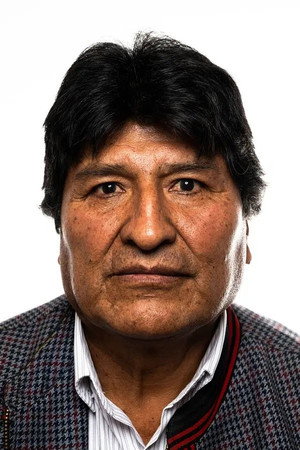
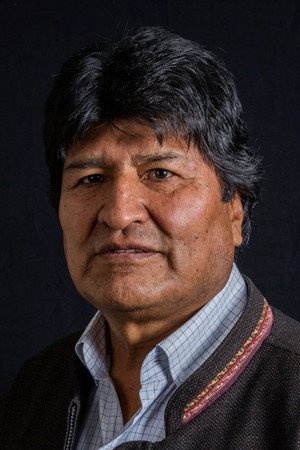
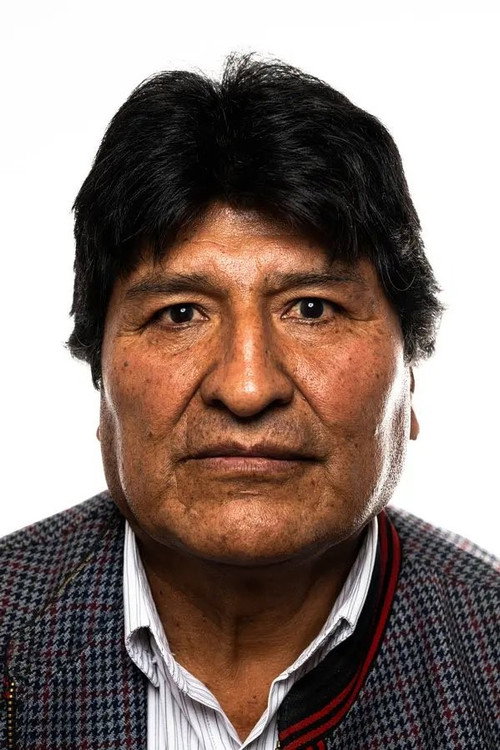
Juan Evo Morales Ayma (born October 26, 1959), popularly known as Evo, is the 80th and current President of Bolivia, having held that position since 2006. Politically a socialist, his presidency has also seen a focus on implementing socialist policies in the country, introducing land reforms, nationalising various key industries and opposing United States and corporate involvement in the country's politics. Born into a working class family in Isallawi village in the Orinoca Canton, Evo is of Aymara Native-Latino American descent. Initially pursuing various manual jobs such as llama herding, he eventually settled into growing coca, becoming actively involved in the cocalero movement, the coca growers' trade unions. Morales was first elected President of Bolivia on December 18, 2005, with 53.7% of the popular vote. Two and a half years later he substantially increased this majority; in a recall referendum on August 14, 2008, more than two thirds of voters voted to keep him in office. Morales won presidential elections again in December 2009 by 63% and continued to his second term of presidency. Morales is the leader of a political party called the Movement for Socialism (Movimiento al Socialismo, with the Spanish acronym MAS, meaning "more"). MAS was involved in social protests such as the gas conflict and the Cochabamba protests of 2000, along with many other groups, that are collectively referred to as "social movements" in Bolivia. The MAS aims at giving more power to the country's Indigenous Latin-Americans and poor communities by means of land reforms and redistribution of gas wealth. Morales is also titular president of Bolivia's cocalero movement – a loose federation of coca growers' unions, made up of campesinos (rural laborers) who are resisting the efforts of the United States government to eradicate coca in the province of Chapare in central Bolivia. A critic of the United States' foreign policy and the involvement of transnational corporations in Latin America, he has been a firm ally of the socialist governments of Hugo Chávez in Venezuela and Fidel Castro in Cuba. In October 2009, Morales was named "World Hero of Mother Earth" by the General Assembly of the United Nations.
Filmography Movies
Acting
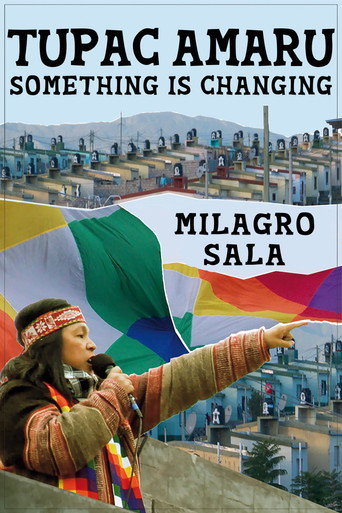
Tupac Amaru, algo está cambiando: something is changing
In the face of the onslaught of neoliberalism and the Argentine crisis of the nineties, a new form of organization and solidarity work began to take shape in the forgotten province of Jujuy.
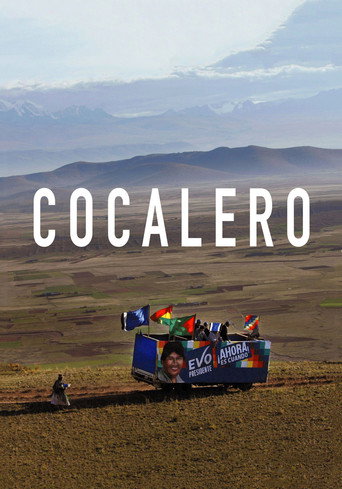
Cocalero
A documentary centered on the union formed by Bolivian farmers in response to their government's (which was urged by the U.S.) effort eradicate coca crops, and the man who would come to represent them, Evo Morales.
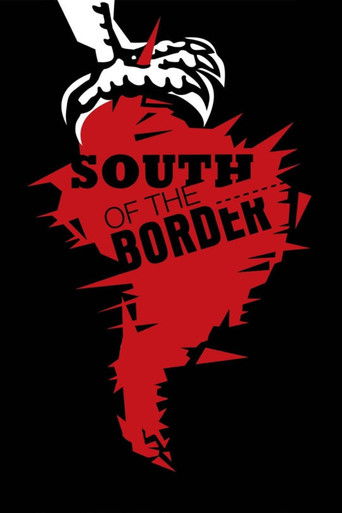
South of the Border
A road trip across five countries to explore the social and political movements as well as the mainstream media's misperception of South America while interviewing seven of its elected presidents.
The Final Escape
Miguel Nunez knew the end was near. After a lifetime chasing utopias, gave his last bout, worthy of death, with the same revolutionary fervor with which he faced the Franco regime and Central American dictatorships. This is the story of a man who spent fourteen years in Franco's jails, was sentenced to death, tortured and risked his life repeatedly by his dreams of universal social justice. Coherent, lucid and sarcastic to the last breath, Miguel organized and controlled every detail of your life away.
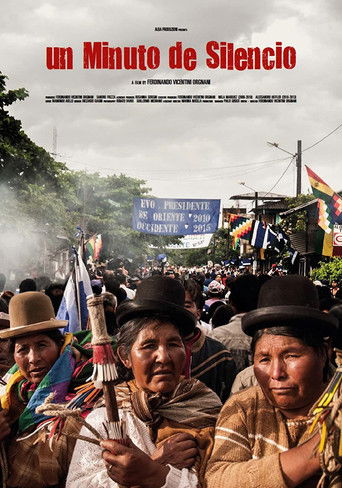
A Moment Of Silence
2006: Evo Morales, first indigenous President is elected in Bolivia after the 2003 dramatic events following the fall of the President Sanchez de Lozada (exiled in the U.S. since then). The socialist revolution enters in its crucial stage. But dealing with power carries a burden of temptations and pathologies. In four years of shooting between Bolivia and the US this film focus on the difficult path of this unique historical opportunity. The film ends with the recent TIPNIS dramatic indigenous protest which creates an historical circle.
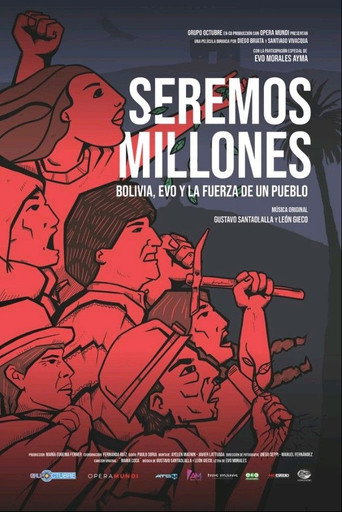
Seremos millones
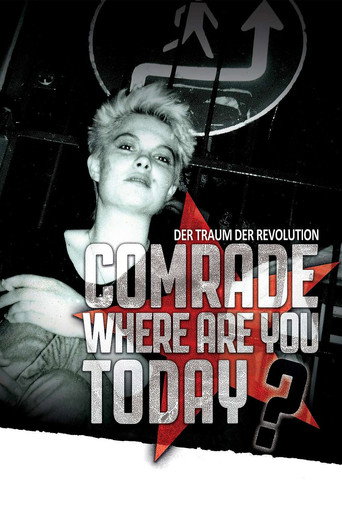
Comrade, Where Are You Today?
In 1988, 20-year-old Kirsi Marie Liimatainen travels from Finland to the GDR, to study Marxism-Leninism at the International Youth Academy. In summer of´89 the course ends and the students spread out over the world. Afew months later, the Berlin Wall falls. 24 years later Kirsi, sets out on a cinematic journey to Nicaragua, South Africa, Chile, Bolivia, Lebanon, Germany and Finland to meet up once more with her former fellow students. What remains of their dream of the liberation of the oppressed?

Short Plays
Football seen through the eyes of some of the best directors of the world.
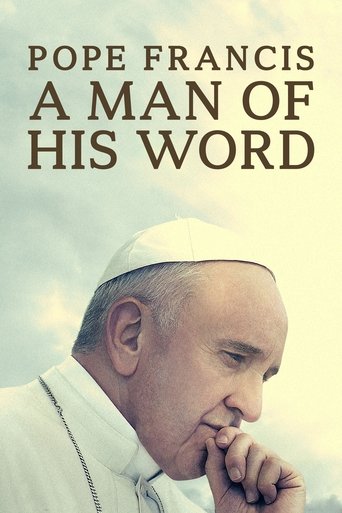
Pope Francis: A Man of His Word
Pope Francis responds to questions from around the world, discussing topics including ecology, immigration, consumerism and social justice.
Gallery