Evald Schorm Movies, TV Shows, and Filmography
Evald Schorm
Directing
Biography
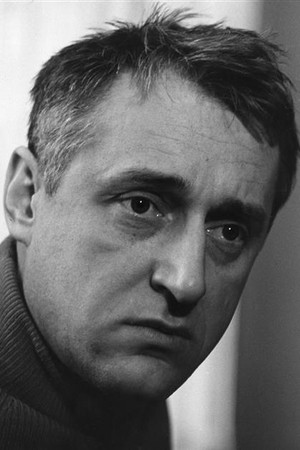
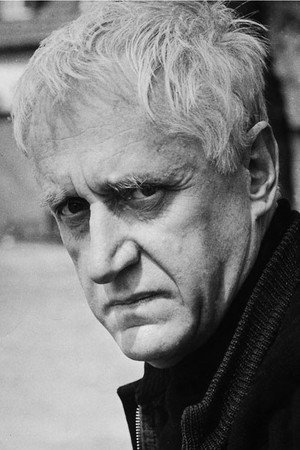
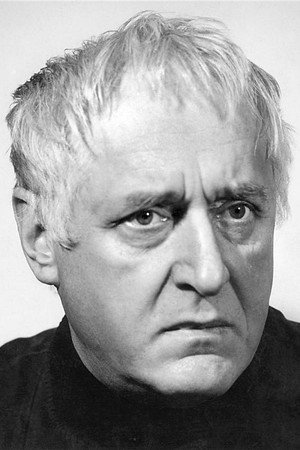
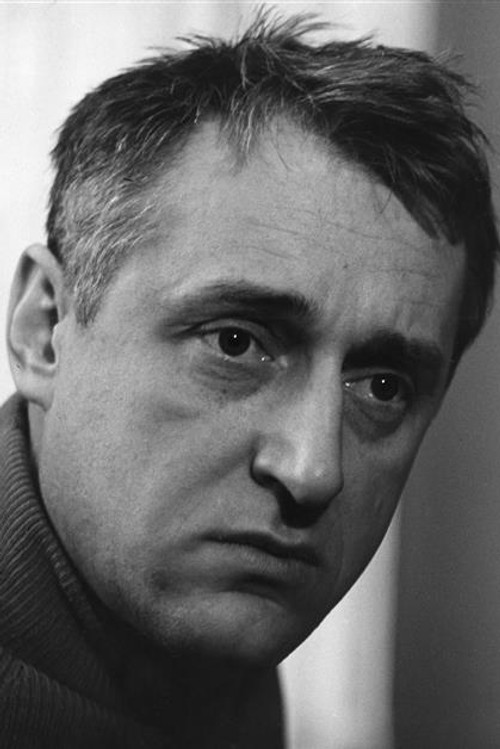
At one time, Czech director Evald Schorm was known as "the conscience of the Czech New Wave" and was known for using film to promote notions of compassion, equality, and individualism in the face of social structure. Originally an opera singer, the Prague native studied filmmaking at the prestigious F.A.M.U. between 1957 and 1962. He went on to create documentaries with the Documentary Film Studio in Prague. Schorm also worked as a film actor. Following the Soviet invasion of Czechoslovakia, the Communist government repressed his films. Still, Schorm remained in Czechoslovakia and directed opera, stage plays, and sometimes television shows. He returned to feature filmmaking in the late '80s, but died of heart failure in 1988.
Filmography Movies
Acting
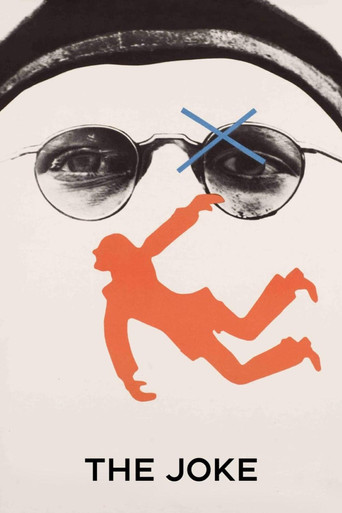
The Joke
In the 1950s, Ludvik Jahn was expelled from the Communist Party and the University by his fellow students, because of a politically incorrect note he sent to his girlfriend. Fifteen years later, he tries to get his revenge by seducing Helena, the wife of one of his accusers.
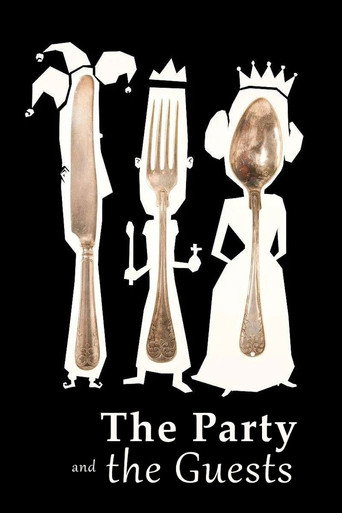
The Party and the Guests
A group of the bourgeois head for a prominent figure's birthday party. As they venture through the woods and have a picnic, they're suddenly surrounded by some suspicious strangers.
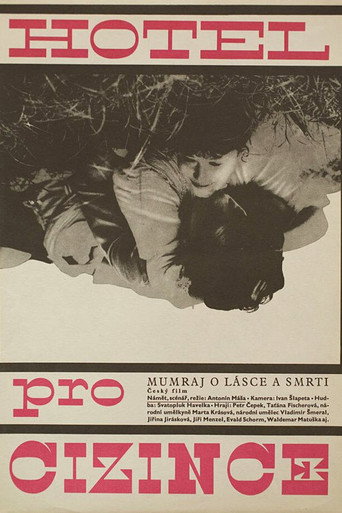
Hotel for Strangers
A gifted poet checks into a Gothic hotel in hopes of meeting the woman with whom he has long been enamored. He is surrounded by a variety of offbeat characters like the hefty homosexual cook, shadowy clerks, snooty waiters, and valets prone to violence. He finally meets the woman of his dreams only to lose her and ultimately meet with tragedy.
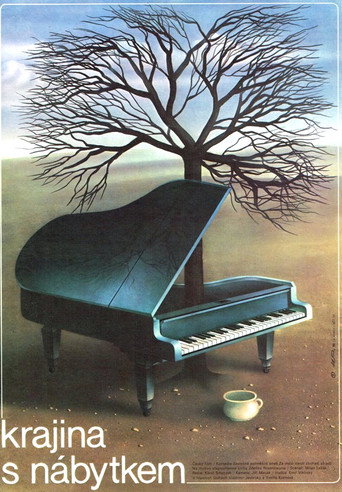
Landscape with Furniture
The story of a music academy student Zdenek, who meets a charming girl, and without realizing also gets a son with her. Dealing with such a situation is not easy, especially when one day the child's mother disappears. Twenty year old Zdenek faces a serious decision. Although he is aware that a child may endanger his studies and perhaps even future career, he refuses to entrust him to the care of the state institution.
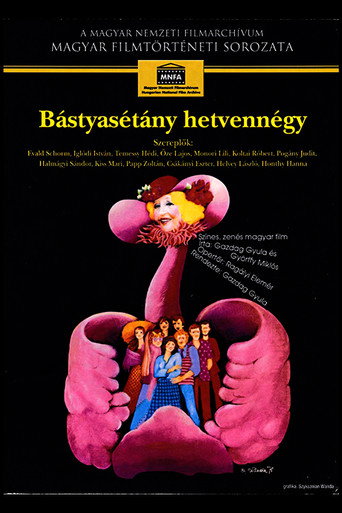
Bastion Promenade Seventy Four
Mr. Dezső and Rezső are selecting the heroes for their new operetta. They represent different tastes and styles, and keep arguing about the casting of the four men and four women.
An Occasion to Speak
Documentary about the film academy in Prague and the Czech Film in 1965.
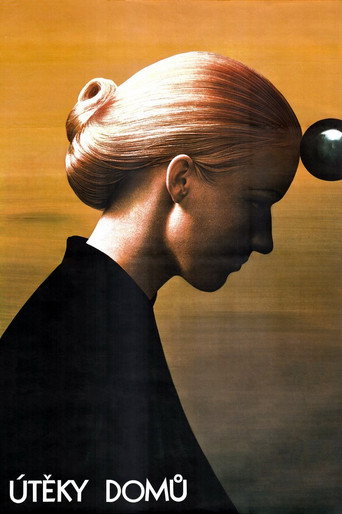
Escape Home
A twelve-year-old is looking for his biological parents after discovering the fact that he was adopted.
Hotel for Strangers
A gifted poet checks into a Gothic hotel in hopes of meeting the woman with whom he has long been enamored. He is surrounded by a variety of offbeat characters like the hefty homosexual cook, shadowy clerks, snooty waiters, and valets prone to violence. He finally meets the woman of his dreams only to lose her and ultimately meet with tragedy.
Production
Reflection
A leading director of the Czech film renaissance provides a philosophical meditation on life and death, set amidst complex hospital apparatus and the sadness, hope, or resignation of the patients. Existentialist rather than optimist, the approach is one of humanistic atheism, accepting death as part of life. Interviews with doctors and nurses explore their outlook; all speak of death as a fact, without either sentimentality or religiosity. The studied objectivity of the film only imperfectly hides an intense emotionality.
Reflection
A leading director of the Czech film renaissance provides a philosophical meditation on life and death, set amidst complex hospital apparatus and the sadness, hope, or resignation of the patients. Existentialist rather than optimist, the approach is one of humanistic atheism, accepting death as part of life. Interviews with doctors and nurses explore their outlook; all speak of death as a fact, without either sentimentality or religiosity. The studied objectivity of the film only imperfectly hides an intense emotionality.
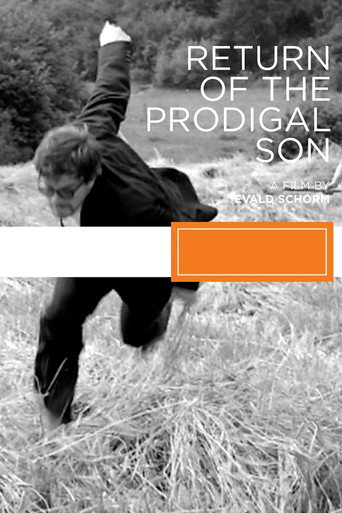
The Return of the Prodigal Son
Engineer Jan Sebek (Jan Kacer) is undergoing treatment in a mental home after his unsuccessful attempt to commit suicide. His therapist, via discussions both with the patient and with people who know him, tries to find out what made the young and seemingly satisfied man decide to end his own life. Jan's pretty wife Jana (Jana Brejchová) claims not to know about anything but she is conducting an affair with a family friend, almost publicly and with the blessing of her parents.
The Return of the Prodigal Son
Engineer Jan Sebek (Jan Kacer) is undergoing treatment in a mental home after his unsuccessful attempt to commit suicide. His therapist, via discussions both with the patient and with people who know him, tries to find out what made the young and seemingly satisfied man decide to end his own life. Jan's pretty wife Jana (Jana Brejchová) claims not to know about anything but she is conducting an affair with a family friend, almost publicly and with the blessing of her parents.
The Return of the Prodigal Son
Engineer Jan Sebek (Jan Kacer) is undergoing treatment in a mental home after his unsuccessful attempt to commit suicide. His therapist, via discussions both with the patient and with people who know him, tries to find out what made the young and seemingly satisfied man decide to end his own life. Jan's pretty wife Jana (Jana Brejchová) claims not to know about anything but she is conducting an affair with a family friend, almost publicly and with the blessing of her parents.
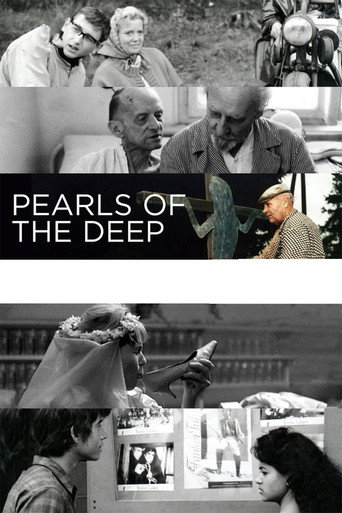
Pearls of the Deep
A quintet of vignettes based on short stories by Bohumil Hrabal: an eventful trip to the motorcycle races results in drunkenness, long-winded discussions, and death; two elderly men create false biographies; insurance agents visit an eccentric painter/goat farmer and his mother; guests at a wedding reception remain oblivious to outlying misery; and a working-class boy romances a Roma girl.
Pearls of the Deep
A quintet of vignettes based on short stories by Bohumil Hrabal: an eventful trip to the motorcycle races results in drunkenness, long-winded discussions, and death; two elderly men create false biographies; insurance agents visit an eccentric painter/goat farmer and his mother; guests at a wedding reception remain oblivious to outlying misery; and a working-class boy romances a Roma girl.
Reflection
A leading director of the Czech film renaissance provides a philosophical meditation on life and death, set amidst complex hospital apparatus and the sadness, hope, or resignation of the patients. Existentialist rather than optimist, the approach is one of humanistic atheism, accepting death as part of life. Interviews with doctors and nurses explore their outlook; all speak of death as a fact, without either sentimentality or religiosity. The studied objectivity of the film only imperfectly hides an intense emotionality.
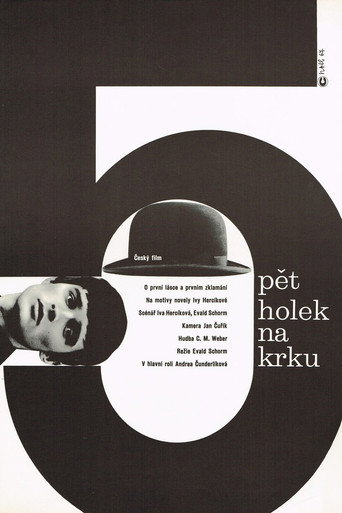
Five Girls Around the Neck
Five Girls Around the Neck, in 1967, set out to explore that critical age of adolescence when a person's character is formed for good or evil. Schorm examined a girl's problems of being giving too much. She tries to buy the goodwill of her less fortunate friends; her intentions are pure, but in the difficulty of communicating she learns envy and deceit, and must decide if she will submit to double dealing or steel her life against self-deception and mediocrity. In addition to the relationship between the girl and her friends, Schorm introduces a teenage romance and the broader relationship between the girl's parents - neatly tied together with segments of Weber's opera "Der Freischütz". He reveals himself as a skilled psychological director with a wide range of knowledge about people.
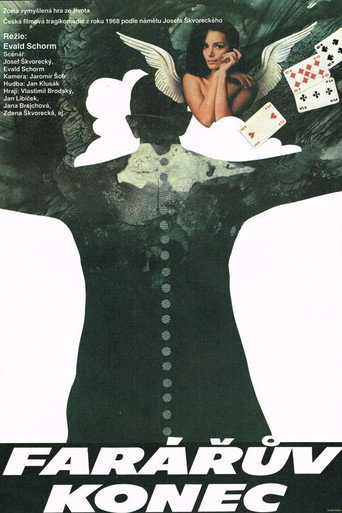
The End of a Priest
A verger, who likes to dress as a priest, is invited, by one of the villagers, to be the pastor at a vacant church. The atheist teacher resents the pastor, and tries to embarrass him in various ways, including being caught with the local girl, Majka.
Gallery