Eva Kübar Movies, TV Shows, and Filmography

Eva Kübar
Directing
Biography
Eva Kübar (born June 19, 1981) is an Estonian filmmaker and freelance cultural journalist. She studied journalism and semiotics at the University of Tartu. She has participated in the making of seven student films, was a casting director for the film "Karikakramäng" and was the first assistant director of the 2017 feature film "Paha lugu: Kokkulepe" (directed by Andres Maimik). Her cultural writings have been published, for example, in the newspapers Postimees and Sirp and the magazine Teater. Muusika. Kino. She has previously worked as a journalist for the ETV program "Aktuaalne kaamera".
Filmography Movies
Acting

Smoke Sauna Sisterhood
Women share their innermost secrets and intimate experiences inside an Estonian smoke sauna. Cleansing their bodies and baring their souls, they embrace the healing power of sisterhood.
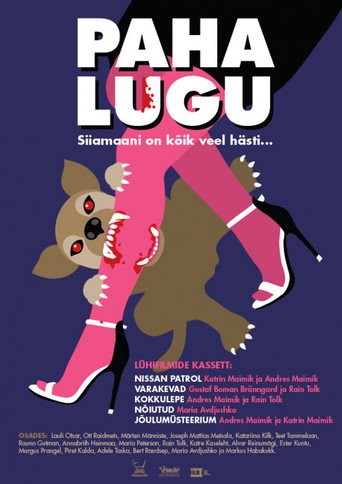
A Bad Scene: Agreement
"A Bad Scene" is a film compilation, which speaks about the darker currents hiding in human relationships, situations, which are practically inescapable, in five different ways. Harassment, mental violence, manipulation, cornering – these topics are current in both politics as well as private sphere. In these nightmarish confrontations, dramatics, mysticism as well as twisted comedy can be found. The third short film “Agreement” by Andres Maimik and Rain Tolk takes the viewer to the middle of the chaos of a film set. What can a director do when a small pretty girl turns into the most capricious diva? The chains of manipulation reach far and wide.
Production
A Bad Scene: Agreement
"A Bad Scene" is a film compilation, which speaks about the darker currents hiding in human relationships, situations, which are practically inescapable, in five different ways. Harassment, mental violence, manipulation, cornering – these topics are current in both politics as well as private sphere. In these nightmarish confrontations, dramatics, mysticism as well as twisted comedy can be found. The third short film “Agreement” by Andres Maimik and Rain Tolk takes the viewer to the middle of the chaos of a film set. What can a director do when a small pretty girl turns into the most capricious diva? The chains of manipulation reach far and wide.

Wild South
Stories about Tartu and Southern Estonia, capturing the tricks and mysteries about the arts of survival. Renowned filmmakers from Estonia and abroad bring us uniquely wild tales of people, communities, and the culture they live in. In these stories, we meet peculiar vehicles known as “karakat” from Peipsi, charming non-places of Tartu, the wild German woman living an off-grid life without water and electricity, mischievous goats and crazy village parties, the diverse Annelinn residents and nostalgic Petseri, slime mould and space exploration, and of course, the artists of survival from today and past.
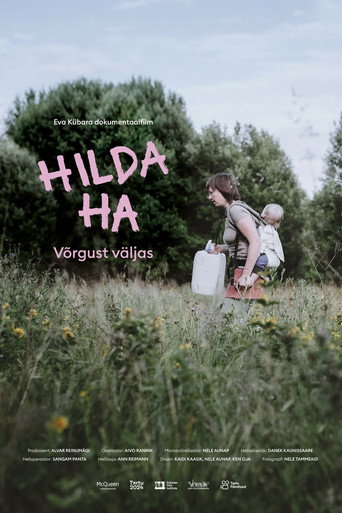
Hilda Ha. Off the Grid
The film portrays one year in the life of Hilda Ha, a wild and free German woman. She is not the kind of person to stand with a big poster at a Friday For Future demonstration. Instead she saves the planet in a quiet way, living off-grid with her one-year old child in Southern Estonia in a self-built tiny house with no water or electricity. Although it seems extreme, for her it’s the most natural way to live.
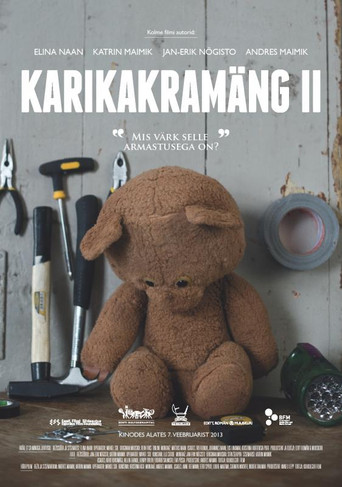
Daisy Petal Game 2
A three-film cassette, "Daisy Petal Game 2" looks at three different lifetimes where a person is forced to make decisions that will affect the rest of their lives. Such moments come as suddenly and dramatically as the first falling in love. How to deal with these crises in youth, early middle age and golden years?

Farts of Fury
Keiser, the lead singer of a former rock group won't put up with approaching old age and decides to call his old band members together. Keiser's ambition is to return to the big stage with his buddies. Despite the initial resistance of other fellows, Keiser will be successful, at least partly so. It is a fast-paced comedy full of humor and consolation, telling the story about people who despite all obstacles strive for their goal.
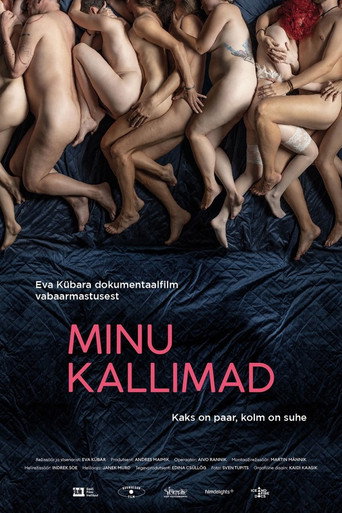
My Partners
Three Estonian and German couples explore polyamory, confronting ego, desire, and insecurity while redefining love. Guided by mentors, psychologists, shamans, and dancers, they navigate years of sexual freedom and emotional struggle under filmmaker Eva Kübar’s patient lens. After a decade together, Riita and Taavi open their relationship and join a camp where unconventional practices test their limits. Marianne and Sven attempt to save their marriage for their children, though Marianne’s bond with her lover Kay complicates her promise to stay faithful. For Kay’s wife Beate, Marianne’s presence becomes both a threat and an opportunity for growth.
My Partners
Three Estonian and German couples explore polyamory, confronting ego, desire, and insecurity while redefining love. Guided by mentors, psychologists, shamans, and dancers, they navigate years of sexual freedom and emotional struggle under filmmaker Eva Kübar’s patient lens. After a decade together, Riita and Taavi open their relationship and join a camp where unconventional practices test their limits. Marianne and Sven attempt to save their marriage for their children, though Marianne’s bond with her lover Kay complicates her promise to stay faithful. For Kay’s wife Beate, Marianne’s presence becomes both a threat and an opportunity for growth.
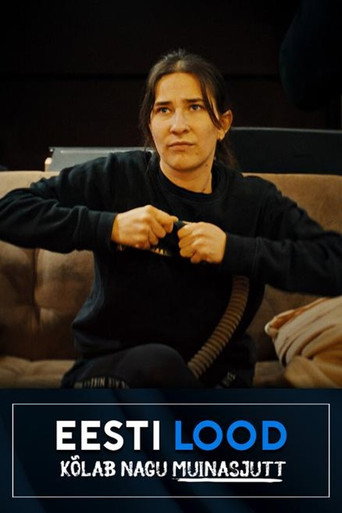
Kõlab nagu muinasjutt
Film is fraud, and the one person who takes care of it on a daily basis is Estonia's only foley artist, Anna-Maria Jams.
Kõlab nagu muinasjutt
Film is fraud, and the one person who takes care of it on a daily basis is Estonia's only foley artist, Anna-Maria Jams.
My Partners
Three Estonian and German couples explore polyamory, confronting ego, desire, and insecurity while redefining love. Guided by mentors, psychologists, shamans, and dancers, they navigate years of sexual freedom and emotional struggle under filmmaker Eva Kübar’s patient lens. After a decade together, Riita and Taavi open their relationship and join a camp where unconventional practices test their limits. Marianne and Sven attempt to save their marriage for their children, though Marianne’s bond with her lover Kay complicates her promise to stay faithful. For Kay’s wife Beate, Marianne’s presence becomes both a threat and an opportunity for growth.
Gallery