Eva Řepíková Movies, TV Shows, and Filmography
Eva Řepíková
Acting
Biography
No biography available.
Filmography Movies
Acting
Muž na drátě
The protagonist is the ordinary and still blameless Evžen Macík, who one day, while waiting for his lover Maria, witnesses a robbery of a savings bank. When the robber drops a briefcase with half a million in loot, the loot falls in front of Evžen, who can't resist, picks it up and disappears. He knows that someone might have seen him at the scene of the crime, so he turns himself in as a witness to Captain Richter, who is investigating the case. Shortly thereafter, however, Maciek is contacted by the robber, who begins to force him to hand over the money with constant threats, initially only by telephone. In addition to pressure from the robber, pressure from the police is added because Captain Richter correctly suspects that Macík is hiding something from him. The mounting pressure leads to Eugene starting to make mistakes.
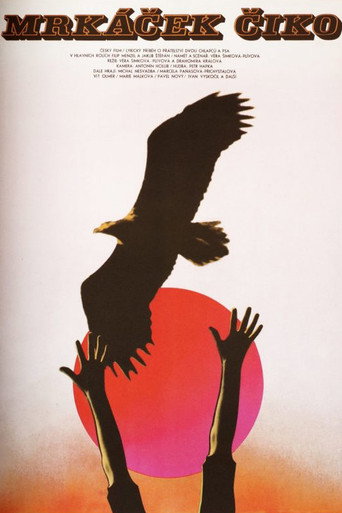
Blinker-Ciko
Roman Hlava grew up with his diplomat parents in Latin America where he had been home-schooled by his over doting mother. The over indulgence of affection and praise has given the boy an over confidence. This is quickly squashed by his new peers when the family returns to the Czech Republic. This leads to neurotic tics and the nickname Mrkácek the 'Blinker.' A stay at a children's camp provides new friends, acceptance, an appreciation of nature, a new outlook on life, and loss of the tics.
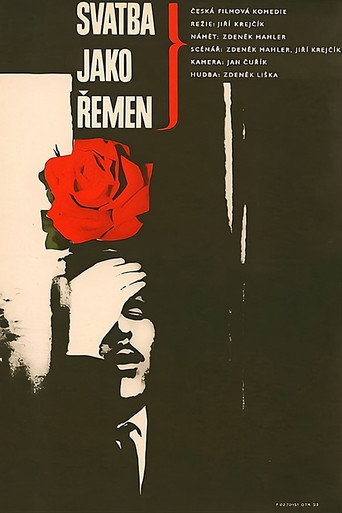
The Unfortunate Bridegroom
A comedy about two bumbling policemen investigating an alleged rape in a small Czech town. One of the alleged rapists is supposed to get married the day he's locked up.
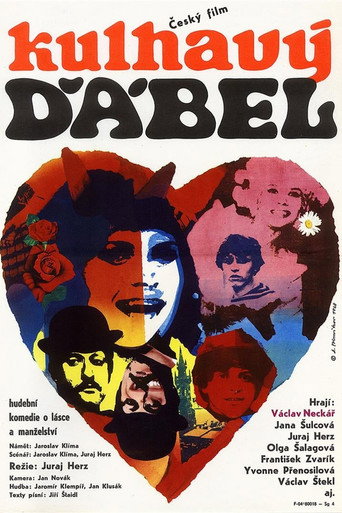
The Limping Devil
A baleful limping man walks through Prague. He is Asmodeus (Juraj Herz), the fiend of lustfulness, entertaining himself by putting together by magic couples of lovers. He only fails at the swimming pool. Zuzana (Jana Sulcová), the good-looking blonde, ignores the men whom the devil foists off onto her. She loves Honza (Václav Neckár) and the boy shares her feelings. The fiend is annoyed by the couple and tries to provoke a row. He sends heavy rain to force them into a hotel and then warns Zuzana's father by phone, but the young lovers manage to get out in time. Then the obstinate Asmodeus takes Honza in his sleep to the Institute for Emotional Disorders, where he shows him the ugly sides of love - hysteria, voyeurism, fetishism, suicide attempts...
Červená kůlna
A little boy, who has no time for his busy parents, solves his loneliness by befriending a dashing old man whose shed holds many surprising secrets and unseen things.
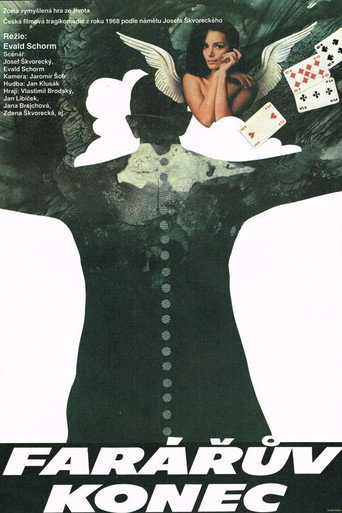
The End of a Priest
A verger, who likes to dress as a priest, is invited, by one of the villagers, to be the pastor at a vacant church. The atheist teacher resents the pastor, and tries to embarrass him in various ways, including being caught with the local girl, Majka.
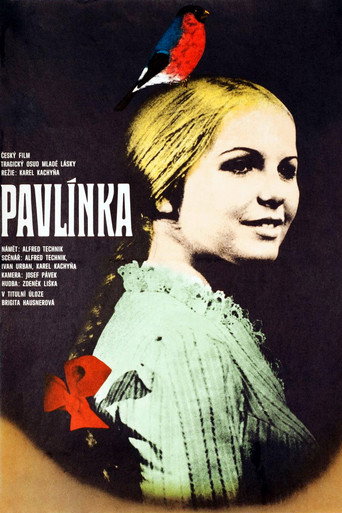
Pavlínka
Albrechtice near Jablonec. Sixteen-year-old Pavlínka Linková lives with her grandmother Barbara, a local midwife who raised her after the death of the girl's parents. The charming girl experiences her first amorous outburst towards Pavel Žák, a young textile worker in nearby Svárovo. Her grandmother, however, prevents her from contacting Pavel in every possible way. Firstly, as a midwife, she knows well what can happen, and secondly, she remembers her old adventures well. Love, however, cannot be ordered around, especially not by a worried grandmother. But there are other obstacles. The textile workers of Svárovo are planning a strike and a demonstration against redundancies and wage cuts, and the factory director is preparing a vigorous response. The year is 1870 and the unsuspecting Pavlina finds herself in the middle of events that will go down in history...
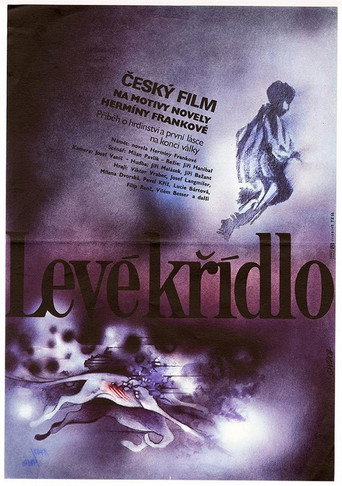
Levé křídlo
The war will also affect children's games. The children hide a French boy who has managed to escape from a prison transport. Language differences certainly don't matter when sporting talent is on display. The refugee becomes a welcome addition to the schoolboy football team, which is about to play against the German soldiers.
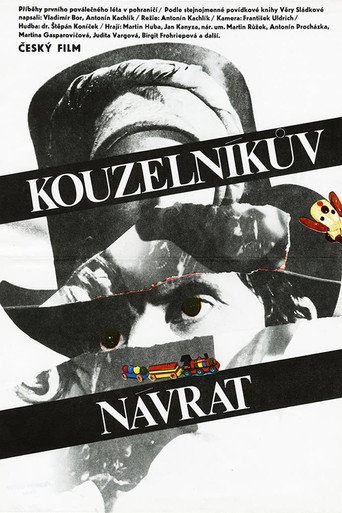
Kouzelníkův návrat
Although the title would suggest it, this film has nothing to do with fairy tales at all: it takes place in the North Moravian border region just after the end of the Second War. It presents a fragmented mosaic of the fates of many people, returnees and immigrants, who tried to start a new life and believed in a happier tomorrow. Although the director Antonín Kachlík tried to give the story a certain credibility, he submits to the ideological demands of the 1980s. North Moravian borderlands in the first post-war year: a disparate and fragmented sequence of episodes depicts the individual fates of returnees and new immigrants. Another title that perhaps did not even need to be created.