Directing
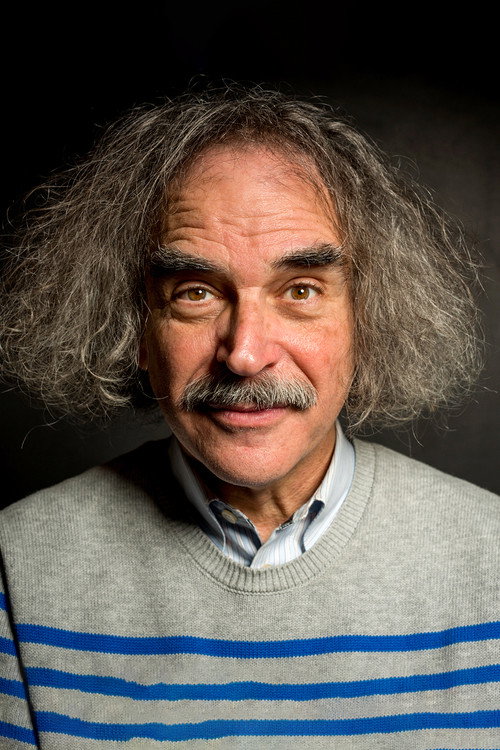
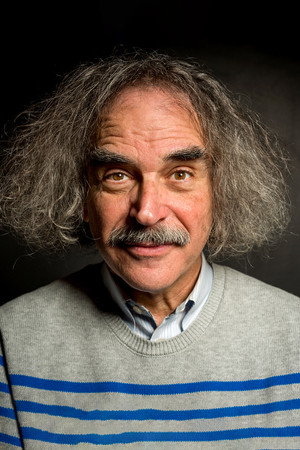
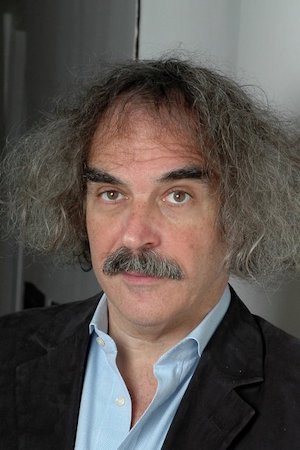
Eugène Green is an American-born, naturalized French filmmaker, and dramatist. He is notable as an educator, training a generation of young actors in the revival of French baroque theatre technique and declamation.
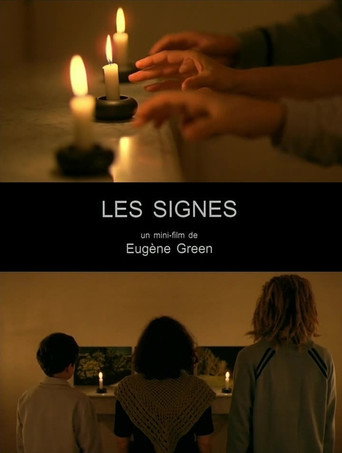
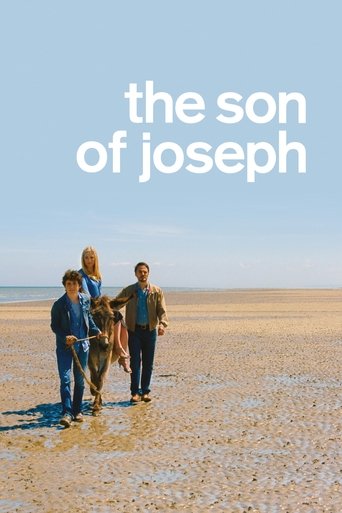
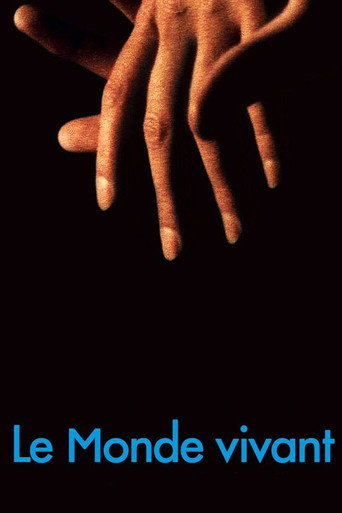
A mother and her two sons have waited for ten years for her husband and their father to return. One day a stranger arrives and approaches them.
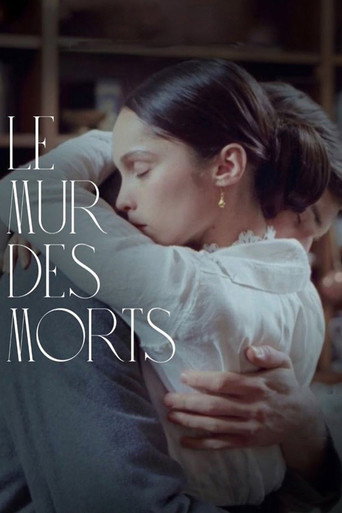
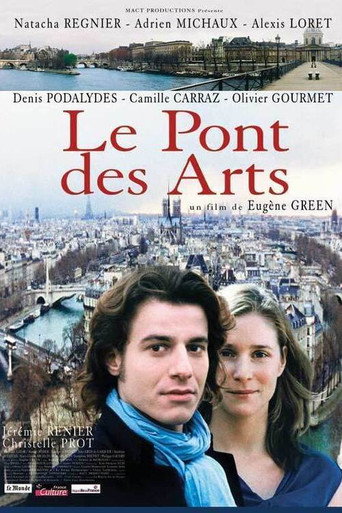
Arnaud, a student remaining alone in Paris during the summer, is obsessed with the wall where the names of the Parisian soldiers who died in the 1914 war are engraved. He finds himself confronted by one of these soldiers, who invites him to step out of time and to bring comfort to his loved ones.
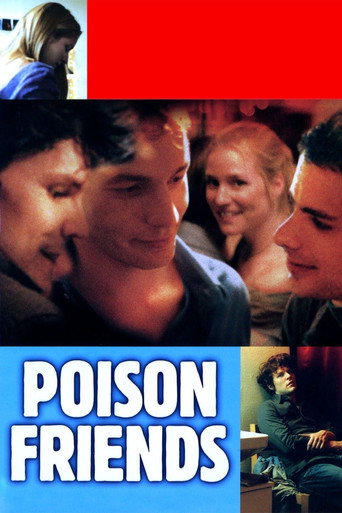
A group of college students are duped by a charming pathological liar.
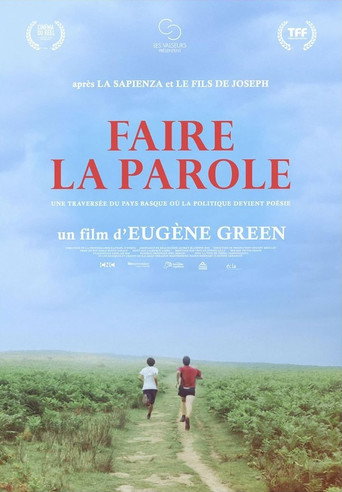
Opening with the testimony of a politically exiled Basque author reminiscing on a childhood where he was forced to “hide his language as something ugly”, Faire la parole then keeps apace with some young people from the French and Spanish Basque Country: Nora, who saw the newspaper where she worked closed by the Guardia Civil in 2003, then Aitor, Ana and Ortzi. The last three, still teenagers, lend a summery and easy-going tone to the film, which is magnificently framed by Eugène Green’s long-time cameraman, Raphael O’Byrne. The dialogue that settles in between the younger members and those in their thirties has a rare quality, as if the difference of language – which each has had to impose on their family or on their national entourage – had almost tacitly created a secret community. Starting with the political stakes (regional languages versus centralism), the story hikes over the mountains with these new friends brought together by the filmmaker.
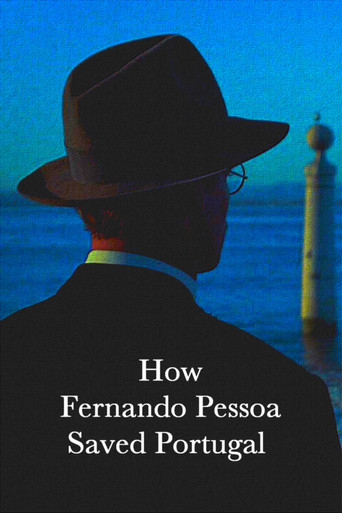
Lisbon, Portugal, 1927. The writer and journalist Fernando Pessoa accepts from his boss the commission to create an advertising slogan for the drink Coca-Louca; but conservative government authorities consider the new drink as revolutionary as it is diabolical.
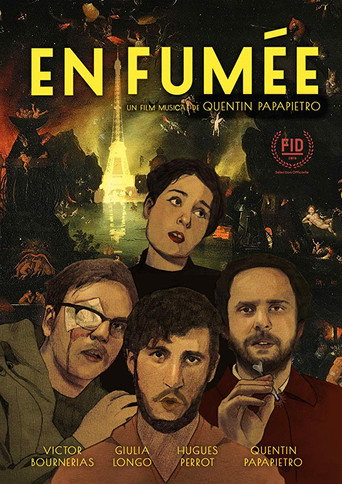
Paris, Boris and Alexis are trying to give a meaning to their idleness. In the countryside, Pierre is achieving his opera, which is a new take on the myth of Orpheus, while trying to forget Adelia, who just dumped him.
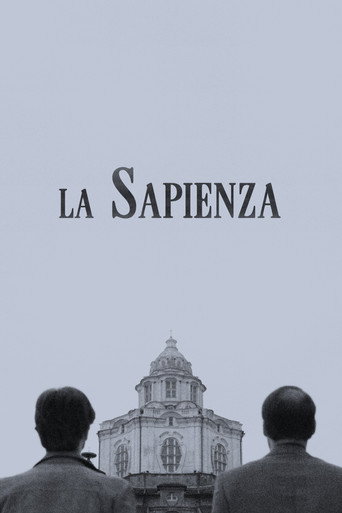
The story is one of an architect that has lost his inspiration and goes looking for those motivations that pushed him as a youngster to take up the profession. Inspiring him was the baroque movement and all of its artifices: the Guarini in Turin and the Borromini in Rome. The film’s central story ends up being the love story that develops between architecture, artistic inspiration and feelings.
A young man who lives with his mother and has never known his father, heads off to look for him. He finds a cynical and Machiavellian man who works as a publisher in Paris. After he attempts to kill him, he finds filial love thanks to his uncle.
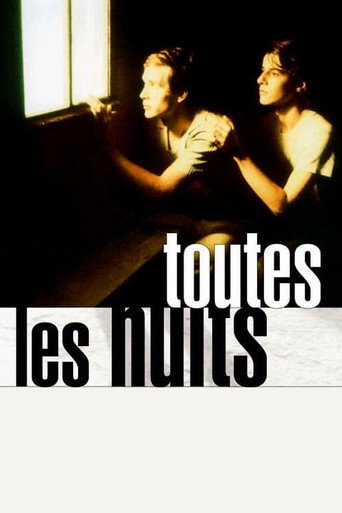
The film is a love story which tells the impossible tale of two youths who have never before met. The action unrolls in Paris between 1979 and 1980.
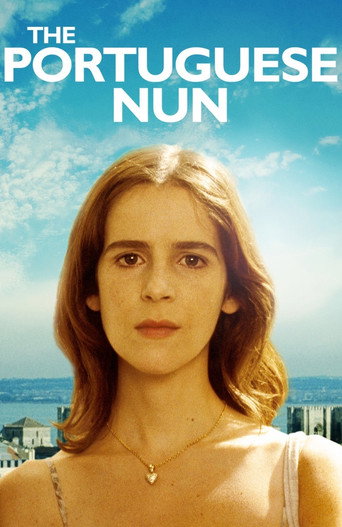
A young French actress in Lisbon to shoot a movie is intrigued by a nun she sees kneeling in the chapel where she is filming.
La Première éducation sentimentale (the first version of L'Éducation sentimentale), re-adapting the themes of first love, the intoxication of desire, and failed ideological revolution (that culminated in the Revolution of 1848) to the May 68 generation through a chronicle of the parallel lives of a pair of childhood friends, the pragmatic Henri and idealistic Jules as they leave their bucolic, rural hometown to separately pursue their baccalaureate - and real world - educations.
An ogre keeps in his castle two children, whom he intends to eat. A knight and his companion will try to save them, and will be assisted by the ogre's wife, who thus will also get rid of her husband. A medieval story in contemporary settings.
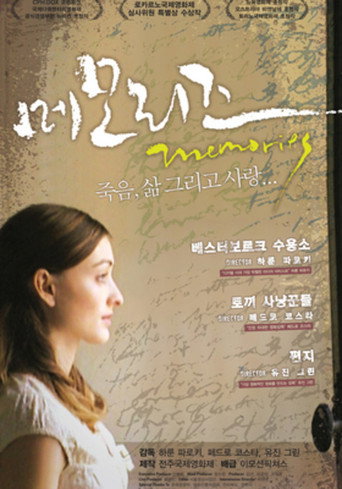
Previously focused on Asian directors, “Jeonju Digital Project 2007” takes a look at Europe. The Portuguese filmmaker Pedro Costa, the German filmmaker Harun Farocki, and the French filmmaker Eugène Green participated in this project.
Virgile and Blanche, both aged 17, correspond by e-mail. Virgile loves Blanche, but Blanche loves a boy named Eustache. Nobody knows the other's thoughts. Virgile talks about life and death and Blanche listens acceptingly. Eustache enters the room in a blue cap. He sees Virgile first, then Blanche. Then Blanche remembers having danced with Virgile and leves the room to join him.