Editing
No biography available.
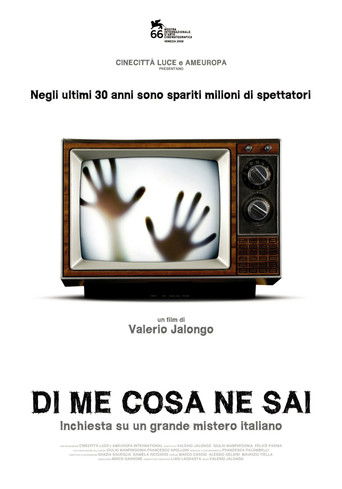
Until the 1970s, Italian cinema dominated the international scene, even competing with Hollywood. Then, in just a few years, came its rapid decline, the flight of our greatest producers, a crisis among the best writer-directors, the collapse of production. But what are the true causes and circumstances of this decline? In an attempt to provide an answer to this question, Di Me Cosa Ne Sai strives to depict this great cultural change. Begun as a loving examination of Italian cinema, the film transformed into a docu-drama that alternates between interviews with the great names of the past and fragments of cultural and political life of the last 30 years. It is a travel diary that shows Italy from north to south, through movie theatres; television-addicted kids; Berlusconi and Fellini; shopping centers; TV news editors; stories of impassioned film exhibitors and directors who fight for their films; and interviews with itinerant projectionists and great European directors.
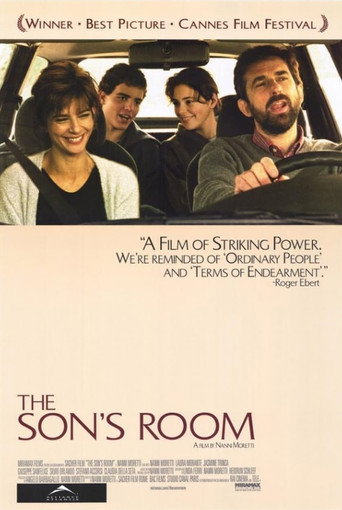
A psychoanalyst and his family go through profound emotional trauma when their son dies in a scuba diving accident.
Coming back from work by night, shy watchmaker Tommaso runs over a girl with his car, luckily without serious consequences. Next day he finds her waiting for him at his door. She asks him for help, as she can't remember anything prior to the incident.
Gabriele returns home in southern Italy to bid farewell to his father Ernesto, a former stationmaster in a small town not far from Bari. The old man reawakens in Gabriele memories of his childhood, of his loving mother, his uncle, his friends... but also of his father's rage and bitterness over his failure in achieving his artistic ambitions: Ernesto was convinced he was destined to be a famous painter, and was willing to sacrifice everything for this belief, even his own dignity – and this made his son swear that he wouldn't turn out like him. Only now, many years later, through chance and circumstances, Gabriele begins to understand Ernesto and to see what sort of person his father really was.
Antonio is a fallen angel, a rootless chauffeur who relates only to the lonely heroes in the science fiction novels he grew up with. Only through a chance meeting with Maria, a woman struggling to hold onto her daughter and her business, does he discover a hope that's been in his detached existence.
A slacker who does his best to avoid confrontation strikes up an unlikely friendship with a dangerous thug who suddenly forces his way into his life.
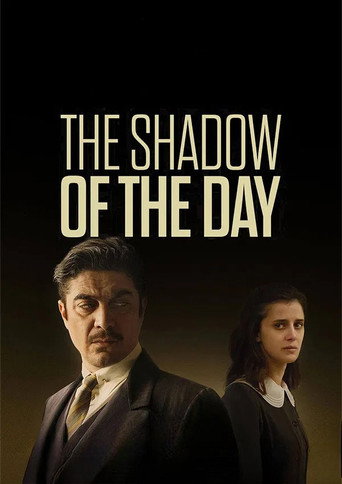
In 1938 Italy, after Jews are banned from public life, fascist-abiding restaurateur Luciano nonetheless believes he can still live by his own rules. Everything changes when Anna, a girl with a dangerous secret, begins working at his business.
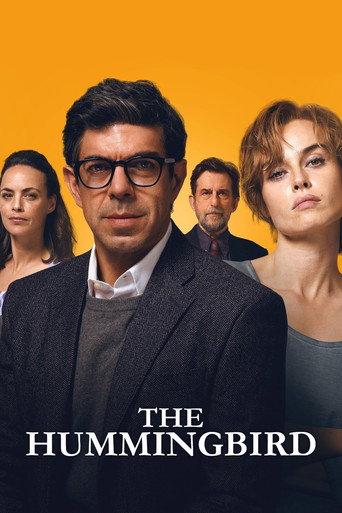
Everyone in Marco's life seems constantly restless, from his brilliant but unhappily married parents to his own wife Marina, or even Luisa, the real love of his life, a girl he met during a fateful summer in the '70s and always stayed in touch with. Tragedy and fate seem to haunt him, yet he somehow manages never to get ensnared in the chaos—like his namesake, “the hummingbird”, he focuses all his energy at standing still.