Acting
No biography available.
Anders flees his drug debts to his former home village. Once there, he must come to terms with his past.
A Finnish live action adaptation of Hans Christian Andersen's fairy tale, The Snow Queen. The tale centers on the struggle between good and evil as experienced by a little boy and girl, Kai and Kerttu.
Two young lovers, Anna and Martti, are split apart but are reunited many years later when their lives have changed considerably. Anna is a war widow; Martti a writer, is married, and has five children.
Deaf artist Joel lives with his parents on a small farm, where he and his paintings are not appreciated.
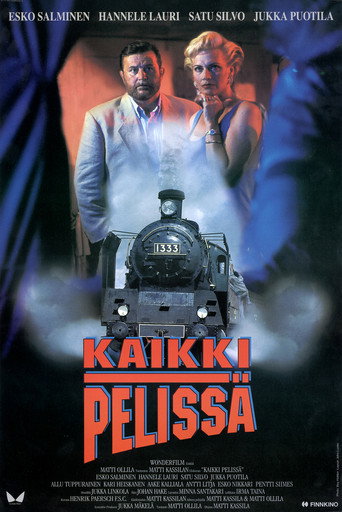
A film group is making movie in the little town. Writer Pentti Töysä interrupts film group's press conference and claims that script is written by him and it is based on true story. Töysä also says that he has written a new ending to the movie and that it reveals an old murder. Not everyone is happy about the new twist.
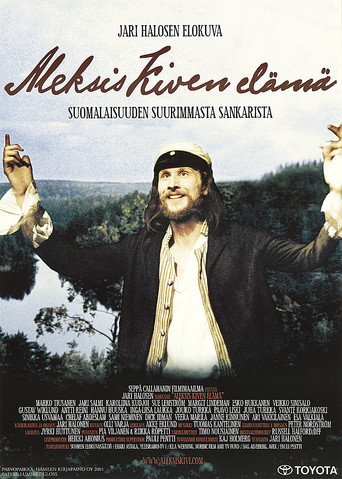
Aleksis Kivi (1834-1872) was a Finnish author who wrote the first significant novel in the Finnish language, "Seven Brothers/Seitsemän veljestä". Although Kivi was among the very earliest authors of prose and lyrics in Finnish language, he is still considered one of the greatest of them all.
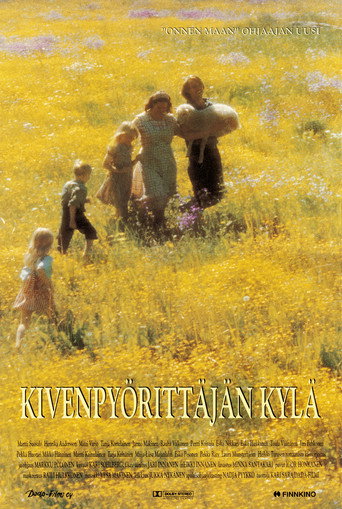
Pekka arrives back to his home village of Jerusalem to celebrate the last wedding of the village. His own marriage seems to have reached a dead end. The people of the village gather to prepare for the event, and the bitter spectrum of all human life, with its joys and sorrows, is condensed into one summer's day.
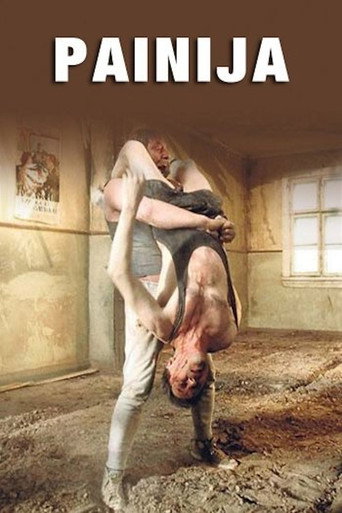
An ageing wrestler and circus strongman is put in an institution located somewhere in a world of its own.
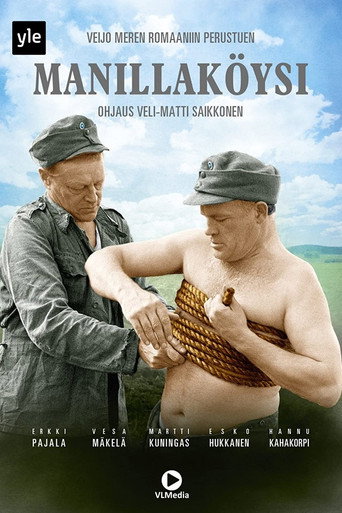
Manillaköysi is a cult status holding TV-movie adaptation of the satirical war novel by Veijo Meri. Manillaköysi has an endless list of classic one-liners, but it is still not based on cheap laughs or anything like that. The whole humouristic aspect of it comes from describing the absurdity of war, and the whole military system, by looking it with the eyes of a simple man, who's thrown into it, and who simply does not give a rats ass of it all. The tone of it is not overly preachy or moralizing. If I would have to describe it with one word, it would be: unglamourizing. The main point of Manillaköysi is pretty much compressed in one of the most famous quotes of it: There is nothing supernatural about war, it is just work like anything else.
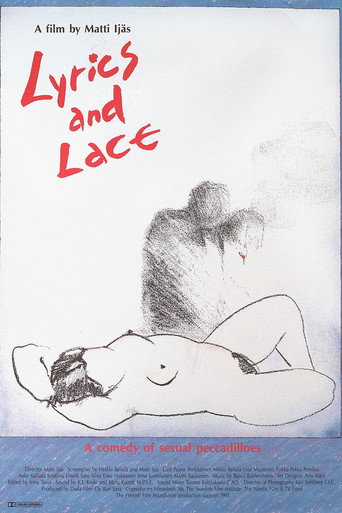
Like it or not, almost anyone who has met a really serious poet finds that they have something about them which sets them apart from other people. It's not just a romantic legend. In wry but basically directionless Finnish movie, Paavo Pentikainen plays one of these ungainly beings, a man whose last published work is decades in the past, who probably hasn't written anything in years, but who still has an uncanny knack for precise observation, "pinning the tail on the donkey" almost every time. In the movie, the poet, accompanied by his young assistant, takes a minor celebrity's swaggering tour of small cultural centers and retirement homes.