Acting
No biography available.
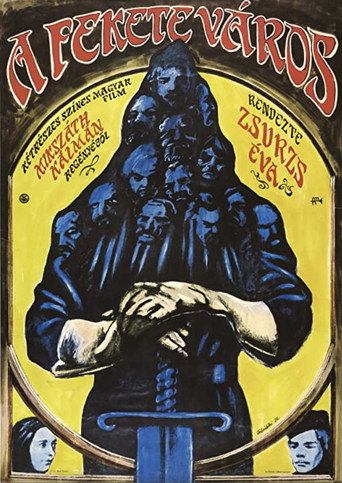
Feature film version of the 1971 series. On the eve of the 18th century, County Vicecomes Görgey Pál broods alone in his manor while the town of Leutschau celebrates New Year’s with lead‐casting omens and a disastrous hunt that sparks a bitter feud. As Görgey fights for his honor and life, and the townspeople defend their Saxon privileges, their mutual blind ambition prevents them from seeing the rising light of Rákóczi’s coming rebellion.
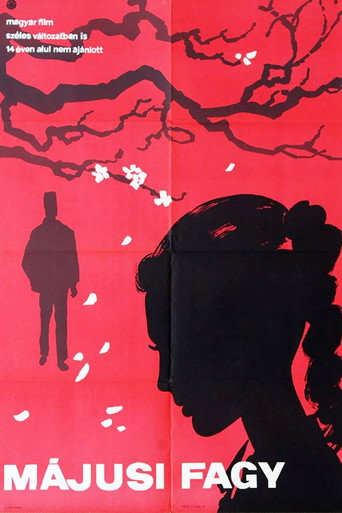
The movie tells about the relationship between young people who love each other. Young Mishka's family works on a construction site in Budapest, and on weekends they come home to their village on the Great Plain to relax and have fun. It is here that the young man meets Klari. He learns that Klari is his fellow villager, although she also works in Budapest. They arrange to meet the following weekend. Mishka is truly in love. Clarie is too, but she doesn't dare to admit to him that she has been unfaithful.
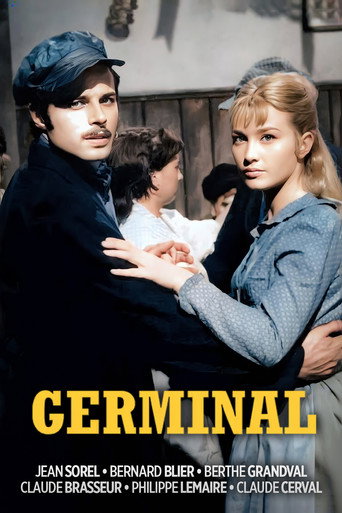
Dismissed from the railroads in 1863 for his union activities, Etienne Lantier found a job at the Voreux coal mine. But work was hard, wages were low and safety left much to be desired. Lantier tried to organize the miners into a union. When mine manager Hennebeau refused to negotiate, the workers launched a general strike, which ended with the intervention of the troops.
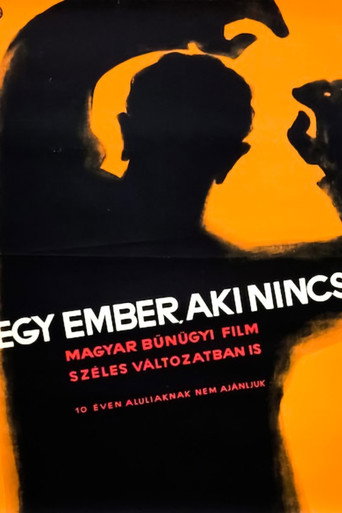
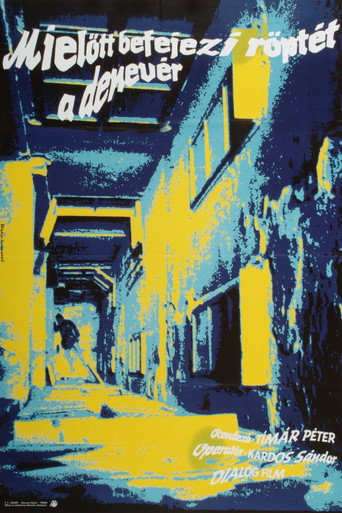
During a mining accident, the police arrest the sole survivor on suspicion of murder, whose pickaxe is stained with the blood of one of the victims. The investigation reveals that the identity card found on the victim belongs to another person, that the collapse was deliberate and that the miner believed to be the victim has escaped.
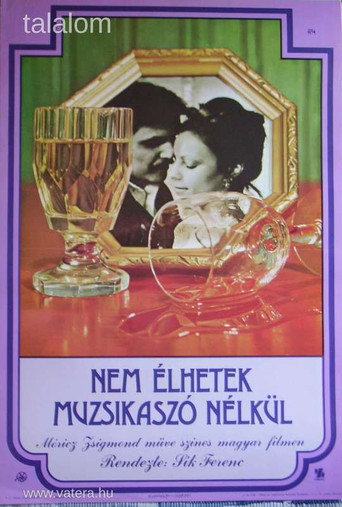
A divorced middle-aged woman takes home an ardent suitor, only to discover that he prefers her teenage son. The mother is an overworked coffee-shop attendant, the suitor turns out to be a plain-clothes policeman and the boy is a frustrated flautist.
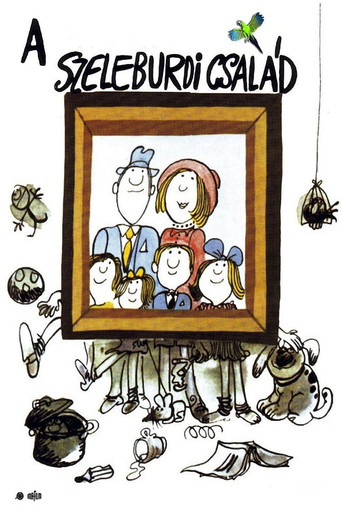
The intellectual family Faragó lives a bit busy life, but ensures complete autonomy for its members in a tiny flat in Budapest, while the newly rich Belvizis in the neighbourhood have a luxury apartment and a conventional and purposeful life, sentencing their only daughter for solitude.
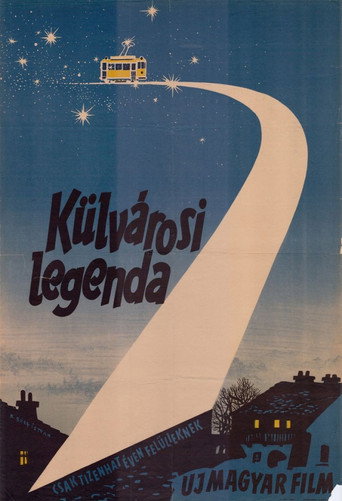
The film, depicting life in the tenement houses of Angyalföld in the thirties joins the neorealist currents of Hungarian film. Ambrus Pista, the good humoured, attractive tram conductor is loved by women for his excellent job as well. With his lover, the street-walker Terus they spy upon the neighbour as he beats his wife in jealousy.
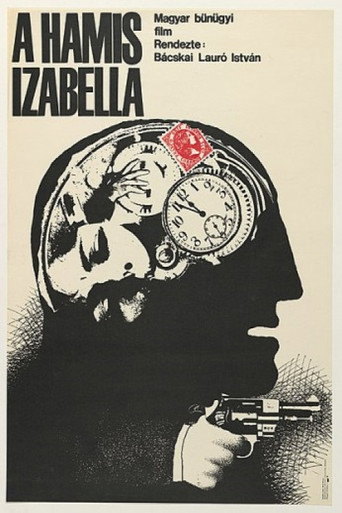
Végh Márta, the teacher is looking for her student Vadász Ica in the Buda villa, but she only finds the tenant, Mrs. Paár - dead. The investigation reveals that Mrs. Paár was murdered for an invaluable stamp, the "Fake Isabella".
Pólika, tired of her husband Balázs Nyiri’s partying, moves in with her aunt. Nyiri, desperate to win her back, tries everything but fails. Aunt Zsani seeks help from her brother, Uncle Lajos. They sing Pólika’s songs at a pub, joined by the household. Aunt Zsani’s housekeeper, Pepi, serves them food, while servants share news of the Nyiri farm’s sale. Frustrated by the scandals, Pólika tells Nyiri to run away with her if he wants.