Costume & Make-Up
No biography available.
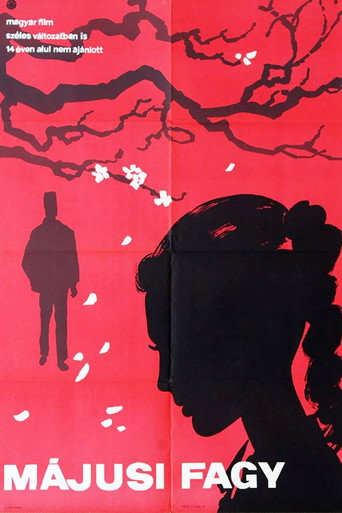
A story of two young people in Hungary, Jancsi and Kata. First they are good friends, later lovers. Soon after the 1956 Revolution Kata leaves Hungary, Jancsi stays there. After 10 years Jancsi is allowed to visit Kata in France, their love is reborn, but after a short, very happy period Jancsi has to return to Hungary and their love fades as years have gone by.
The movie tells about the relationship between young people who love each other. Young Mishka's family works on a construction site in Budapest, and on weekends they come home to their village on the Great Plain to relax and have fun. It is here that the young man meets Klari. He learns that Klari is his fellow villager, although she also works in Budapest. They arrange to meet the following weekend. Mishka is truly in love. Clarie is too, but she doesn't dare to admit to him that she has been unfaithful.
Blind luck ties the fate of two people together.
Vendel Imre is a driver, his wife is expecting a baby, they have two sons. Before 1945 Vendel was a military officer. In 1951 they receive a letter from the Ministry of Interior: they will be transported to a forced domicile, allowed to take 50 kg personal belongings per person with them.
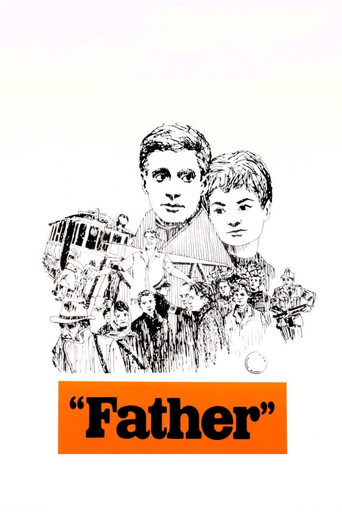
When young Tako's father dies in Hungary in 1945, Tako is left with scant memories of him. Nurtured by his mother, the boy fantasizes about the man his father was, imagining him a hero. Grown into a man himself, Tako falls for a Jewish refugee, Anni. Burdened by her own heritage as a Jew, Anni sparks in Tako a desire to find out what his father was really like, and he delves into the role his father played in World War II.
This light comedy with grotesque elements tells the story of M, the young and beautiful model mother, who seeks happiness and a father for her precocious, but inventive daughter, Tündike.
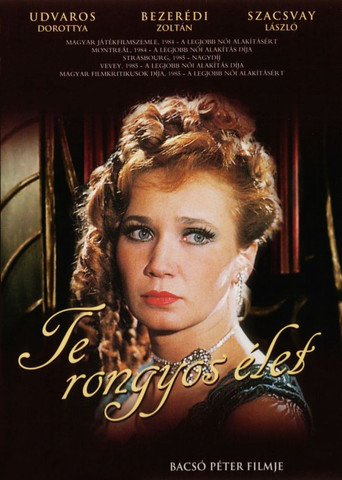
The Hungarian Oh, Bloody Life reflects on the heavy emotional toll taken by the repressive Stalin regime. Dorotya Udvaros plays a young actress from a high-born family. The government bias against persons of wealth threatens to destroy her career before it begins. As a final blow, she is threatened with deportation. The exasperation inherent in the film's title is only the tip of the iceberg.
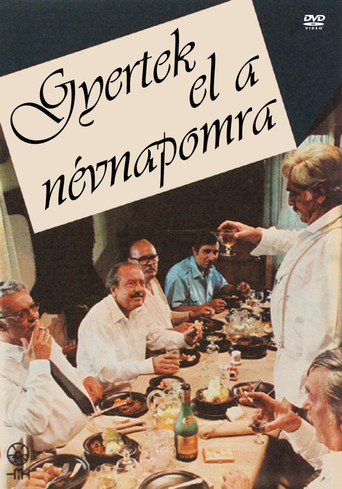
The elite of political and business life of the country town gather to celebrate the namesday of László in the luxury villa. Everything begins just as usual, but now an incident disturbs the stag party.
1943. French POWs escape through Hungary towards the Balkan. Jacques and Gérard are caught and taken to an internment camp at Lake Balaton. Jacques meets Klári here, who was abandoned by her military officer husband for her Jewish origin. Both want to have a short affair, but love unfolds between them.
The story of the film with a touch of journalistic atmosphere takes place in the autumn 1919 after the fall of the proletarian dictatorship. The main figure is Zilahy Kálmán, a high-school teacher, very much attracted to Ady's ideology. He is, at the same time, a rational minded sober character keeping a certain distance from the chaotic events. During the first months of the terror of the Whites, he takes a stand for his persecuted colleague, and with his wife's help, he hides Pálos, a Communist commissar in his flat.
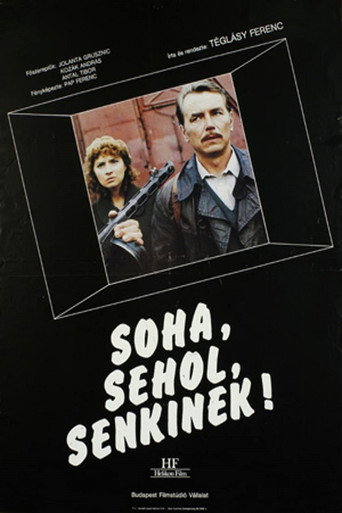
Baradla Géza, war criminal, returns after 25 years, with his ex-accomplice, Obrád Simon, to the village where he burned houses with people inside and executed partisans. The ex squad-leader is chased to this place by his "heroic deed" and the memory of his love. Like a maniac, he wants to forgive the village residents for having killed six of his soldiers.