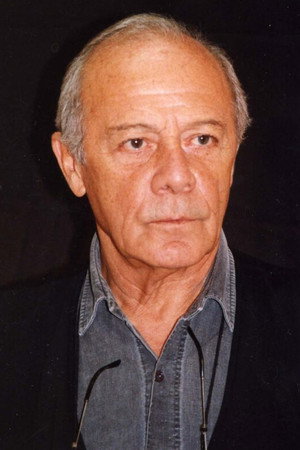
Erol Keskin Movies, TV Shows, and Filmography
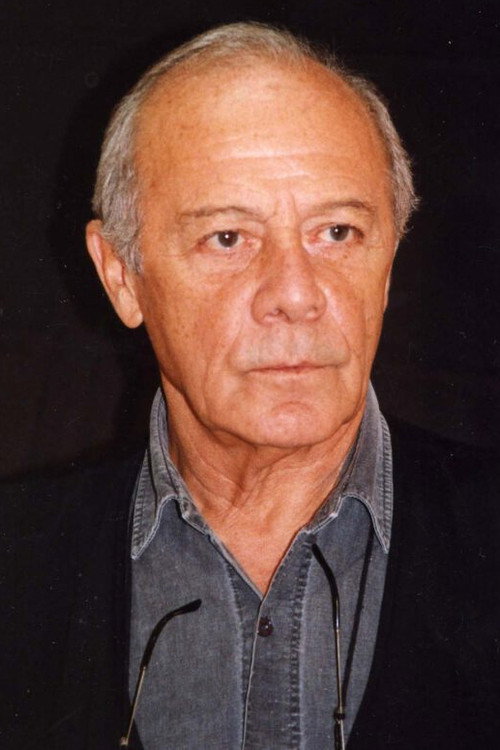
Erol Keskin
Acting
Biography
No biography available.
Filmography Movies
Acting
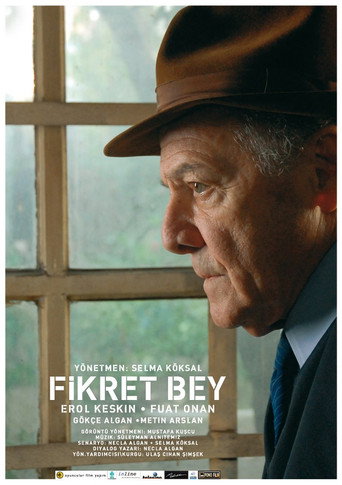
Fikret Bey
Throughout his life, Mr. Fikret thought of his country, saying, "Domestic goods are the goods of the country," and strove to do useful work for his homeland and his people as best he could. As his life drew to a close, Mr. Fikret made an important breakthrough in his youth by contributing to domestic production. The elderly workaholic went bankrupt and spent the last years of his life struggling with this hardship. Meanwhile, his son, who was labeled a political criminal in the darkness following September 12, served time in prison and later left the country. With the loss of his son and the business he had dedicated his entire life to, he was left with nothing.

Away from Home
After several years of numbly mourning his parents death, 26 year old Selim takes a chance on the US lottery for passports and wins. He decides to sell the family olive grove to raise enough money to live in Manhattan and to break all roots to Turkey, leaving his girlfriend behind. When Selim's aged grand uncle, Nasuhi returns from Russia after 58 years he asks Selim to visit with him the olive grove of his youth. Before they depart, Nasuhi finds a beaten Russian girl, Olga who was robbed when she tried to sell herself to raise money to continue her own search for her sea faring father.

Battı Balık
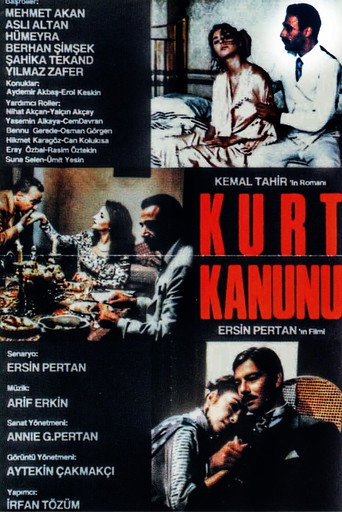
Kurt Kanunu
1926, Turkey. Anatolia is undergoing a difficult and harsh process marked by turmoil and uncertainty. Alongside the decisive and conscious directives to establish the new infrastructure of the new Turkey, there are also examples of resistance that cause an unstoppable reaction and unhealed wounds. Amidst the political backdrop revealed by this process, which operates with the indifference of a broken clock, individual stories continue to unfold with all their human qualities, and personal conflicts persist in highlighting negativity.

Love and Punch
The story of a young man who is traumatized by the death of his friend at his birthday party.
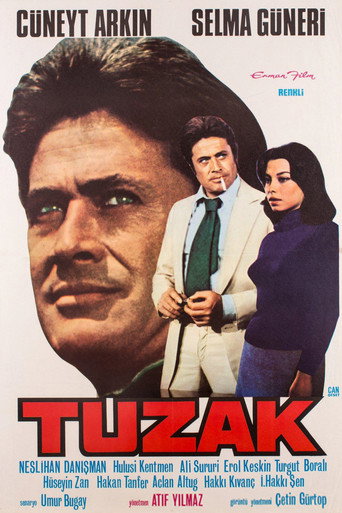
Tuzak
A young man, who is a doctor, returns home when he hears that his father, the mayor, has been murdered. He begins to investigate who killed his father, his only thought was to avenge.
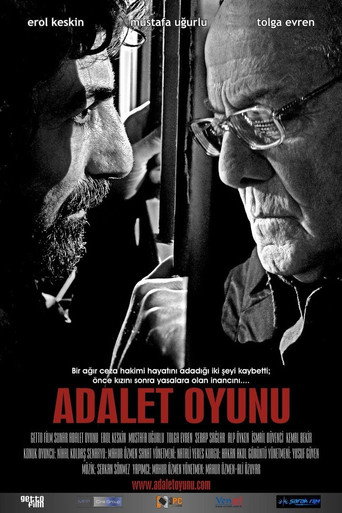
Adalet Oyunu
Retired criminal court judge Sezgin loses his faith in justice and his profession after his daughter Belgin, who was his lifeline, is murdered and his son-in-law İlker, who was tried as the defendant, is acquitted. He moves away from the city he lives in and settles in a coastal town. Although İlker was acquitted in court, Sezgin believes that his son-in-law killed his daughter. Determined to seek justice in his own way, Sezgin kidnaps İlker and imprisons him in a cell he had built in the basement of his villa. He decides that his son-in-law will remain there until he dies. His retired judge friends Fuat, Nedim, Erdal, and his wife, prosecutor Nazan, visit him a few times a month to keep him company. Sezgin's decision to close his daughter's case file, his sudden move from Istanbul, and his son-in-law's disappearance around the same time raise suspicions among his friends.

Tamam mı Canım
Sasu Ali is a poor young man who works as an assistant in a minibus. He loves Emine, the daughter of Fazil Bey, the owner of the minibus. Emine's father, Fazil Bey, tries to prevent this relationship.
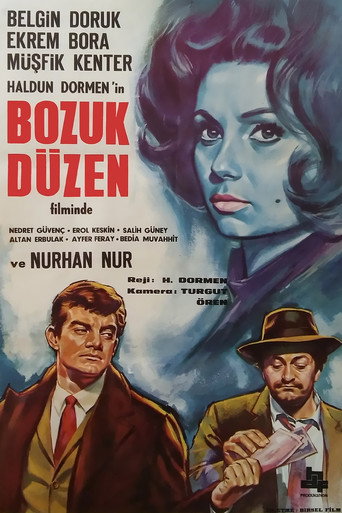
Bozuk Düzen
Based on Güner Sümer's play, Bozuk düzen tells the story of four children (Erol Keskin, Nedret Güvenç. Ekrem Bora and Salih Güney) trying to survive difficult relationships and situations they are involved in.
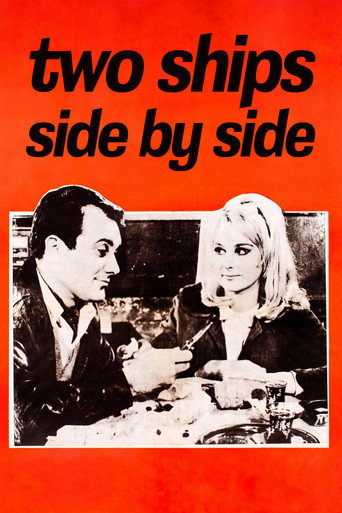
Two Ships Side by Side
After the release, Iki Gemi Yanyana (Two Ships Side by Side) stirred controversy over its treatment of lesbians, showing two women kissing each other on the lips (later, in Dul BirKadın (A Widow), director Atıf Yılmaz took up the same theme again). This scene creates a moment of interest in this otherwise conventional film.
Production
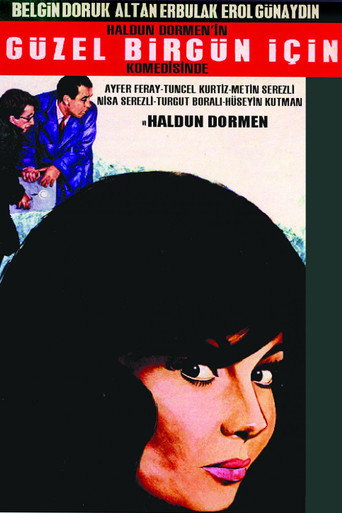
Güzel Bir Gün İçin
Abbas, a widower, lives with his three children and his sister Zarife, who sings in a nightclub. Abbas is in love with Cemile, who works at the same store. Cemile, who feels sorry for Abbas and acts friendly toward him, giving him hope, is in a relationship with Zeki.
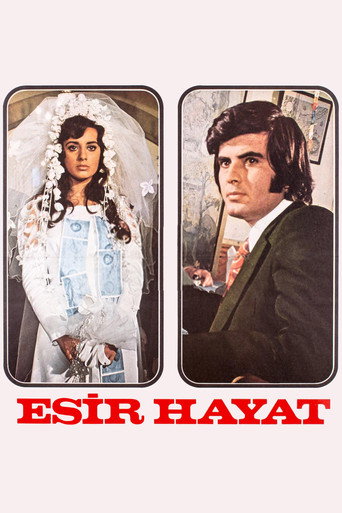
Esir Hayat
The film tells the story of Aydın and Ayşe, who crossed the roads in Cyprus, for their love. Ayşe starts to work as a designer in the weaving factory where Aydın works as an engineer. The relationship of the two, which starts with the opposite of professional issues, turns into love over time. However, Ayşe is engaged to a mafia father who she does not like in the name of Ali Rıza. Therefore, he tries to hide the love they live with Aydın. Meanwhile, the marriage process of Ayşe and Ali Rıza accelerates. A surprise awaits Ali Rıza, who thinks everything is fine on the wedding day.
Bozuk Düzen
Based on Güner Sümer's play, Bozuk düzen tells the story of four children (Erol Keskin, Nedret Güvenç. Ekrem Bora and Salih Güney) trying to survive difficult relationships and situations they are involved in.
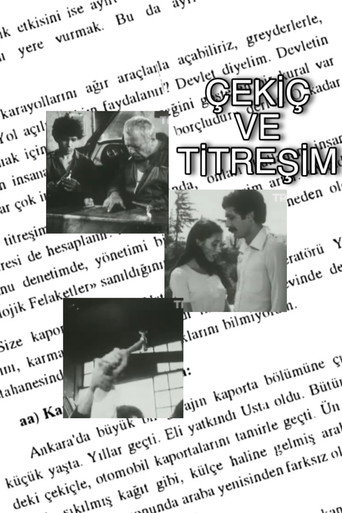
Çekiç ve Titreşim
The story of Ahmet, who was given to a body shop by his father at a young age and years later went crazy from the sound of hammers and killed his boss.
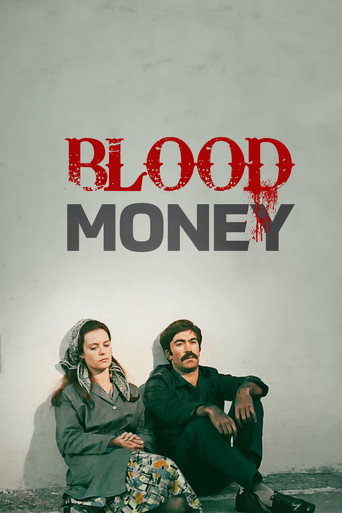
Blood Money
Hacer recently joined a factory where Hasan works and brings hope to her life. The two get married. Hacer is worried about the working conditions in the factory; she has a relationship with Hasan after she establishes a relationship with the union. Because of their disagreements, they are driven towards disaster.
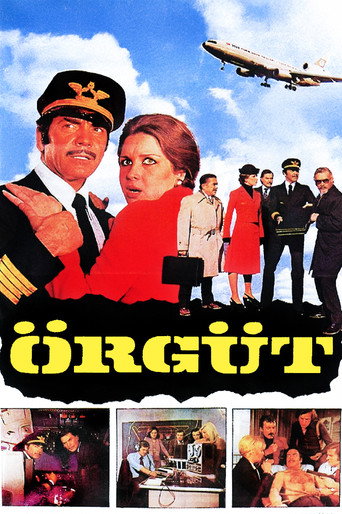
Örgüt
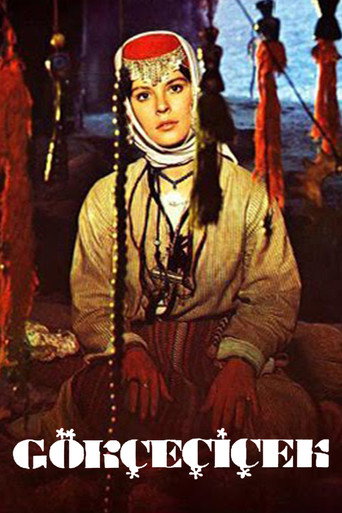
Gökçe Çiçek
Gökçeçiçek and Selman Ali, who love each other, are forced to separate due to a problem that arises between the Alakuşlar and Artukbeyler families. In order for the problem that caused the two young people to separate to be resolved, Gökçeçiçek must marry Artukoğlu Ahmet. Selman Ali cannot oppose this decision. Meanwhile, an earthquake occurs, causing further complications.
Gökçe Çiçek
Gökçeçiçek and Selman Ali, who love each other, are forced to separate due to a problem that arises between the Alakuşlar and Artukbeyler families. In order for the problem that caused the two young people to separate to be resolved, Gökçeçiçek must marry Artukoğlu Ahmet. Selman Ali cannot oppose this decision. Meanwhile, an earthquake occurs, causing further complications.
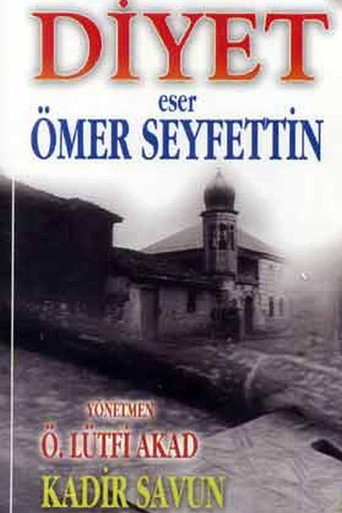
Diyet
The film deals with the migration from the village to the city with a realistic narrative. The immigration phenomenon described in workers' hands in a factory refers to both the modernization process in the period and the unionization. Hacer emigrates to Istanbul with his father, two children and his wife. Her husband left her and she was a helpless. Hacer was influenced by the union of the working factory, who owns the crippled friends. Hacer thought very much about to traditions versus modernization. It is the last of the film of director Ömer Lütfi Akad's Bridal-Wedding-Recoup trilogy. And it is still the inaccessible film of Turkish cinema history with its movie theme, cast, and acting success.
Gallery