Acting
German singer and actor.
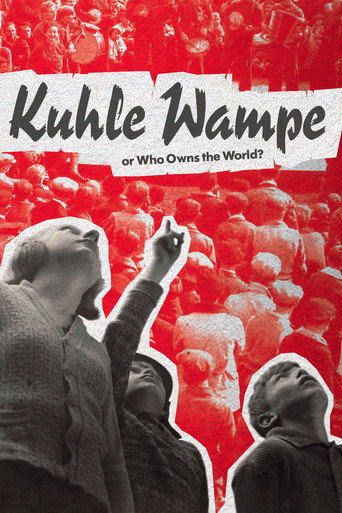
Kuhle Wampe takes place in early-1930s Berlin. The film begins with a montage of newspaper headlines describing steadily-rising unemployment figures. This is followed by scenes of a young man looking for work in the city and the family discussing the unpaid back rent. The young man, brother of the protagonist Anni, removes his wristwatch and throws himself from a window out of despair. Shortly thereafter his family is evicted from their apartment. Now homeless, the family moves into a garden colony of sorts with the name “Kuhle Wampe.”
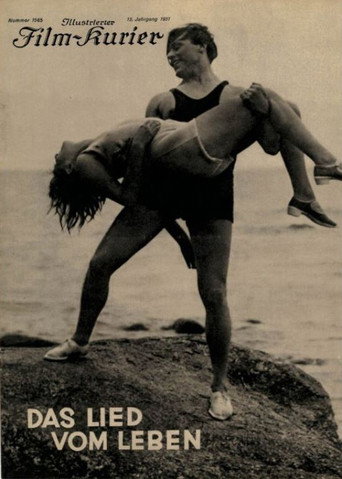
A young woman born illegitimately comes to terms with the challenge of getting married.
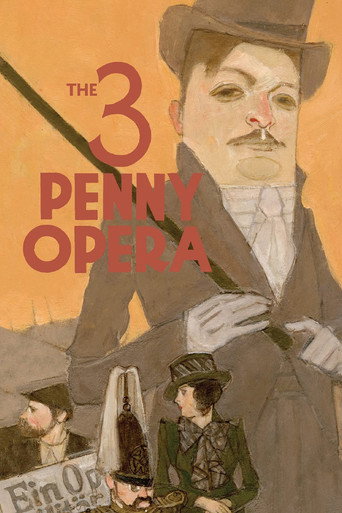
In London at the turn of the century, underworld kingpin Mack the Knife marries Polly Peachum without the knowledge of her father, the equally enterprising 'king of the beggars'.
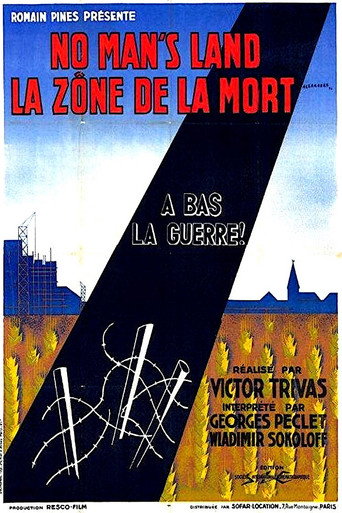
At a mine on the shared edge of France and Germany, an underground explosion leads to the entrapment of a group of French miners. In an effort to save the trapped Frenchmen, German miners Wittkopp and Kasper take it upon themselves to traverse a crumbling war tunnel leading down into the mines. Yet, though the workers harbor no political biases against one another, their callous, less tolerant bosses hope to halt this cross-cultural rescue mission.
Hell on Earth (German: Niemandsland) is a 1931 German film directed by Victor Trivas. The film is also known as No Man's Land in France.
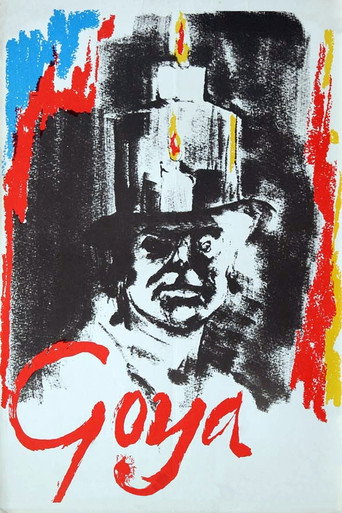
As a painter in the court of King Carlos IV, Goya has attained wealth and reputation. He believes in King and Church, yet he is also a Spaniard who dearly loves his people. This contradiction presents him with a dilemma.
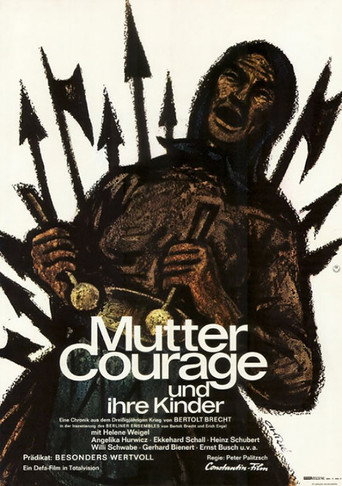
During the Thirty Years' War, the camp-follower Anna Fierling, called "Mother Courage", travels the length and breadth of Europe with her covered wagon. She does not care if it's Catholics or Protestants she trades with as long as business thrives. She loses her three children as a result of the war: bold and spirited Eilif, sincere and upright Swiss Cheese and mute Katrin, who saves the children of Halle by beating a drum on a farmstead roof In wartime, the Fierling children's virtues prove to be deadly. Yet, Mother Courage, remains incorrigible. She will not have anyone "spoil the war" for her and so sets out once more after the soldiers with her wagon.
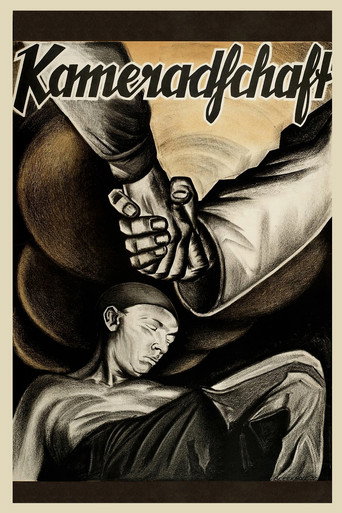
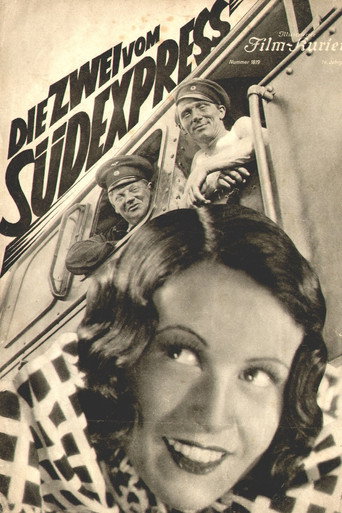
A story of friendship, love, betrayal and jealousy, which the locomotive driver Karl and his coalman Hans experience. They’re both let down by the same girl and their old friendship, which soon almost develops into hate, blooms anew in the end.
This Brechtian musical about a young woman who flees from her decrepit, noble fiancé and marries a sailor is an interesting, although not a completely successful attempt to translate the sort of stage show to film. It has some good points, including the complete abandonment of the sort of surrealistic stage design that had enlivened the silent cinema. Instead, this tries for a purely cinematic technique, including multiple exposures, undercranking and distorting camera angles and lenses.
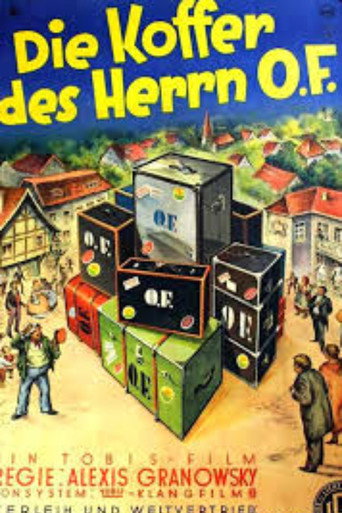
In the very old-fashioned town of Ostend suddenly 13 suitcases are delivered to the Grand Hotel, with a note, that O.F. will be here soon and needs 6 rooms. This event, probably the biggest in 300 years, starts a small wave of modernisation, yet everybody is wondering who O.F. is.
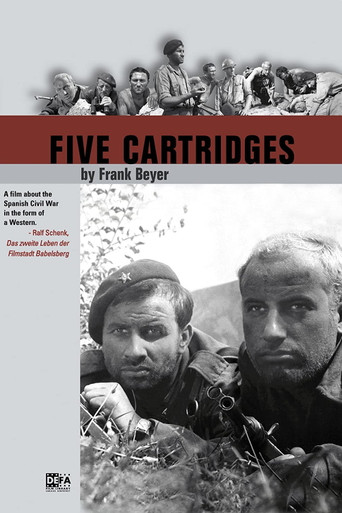
It is the year 1936 and the Spanish Civil War is raging. When the German commander of an international brigade is badly wounded he gives his five comrades a message which he divides up and secretes into in five cartridges. All five shells must reach the battalion in order for the message to be relayed. But Frenchman Pierre can’t bear the heat of the Sierra. When he leaves their hide-out to drink from a well he is hit by an enemy bullet.