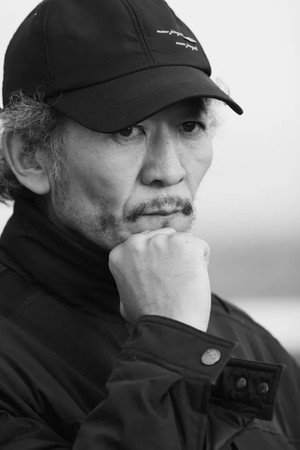
Ernest Abdyjaparov Movies, TV Shows, and Filmography
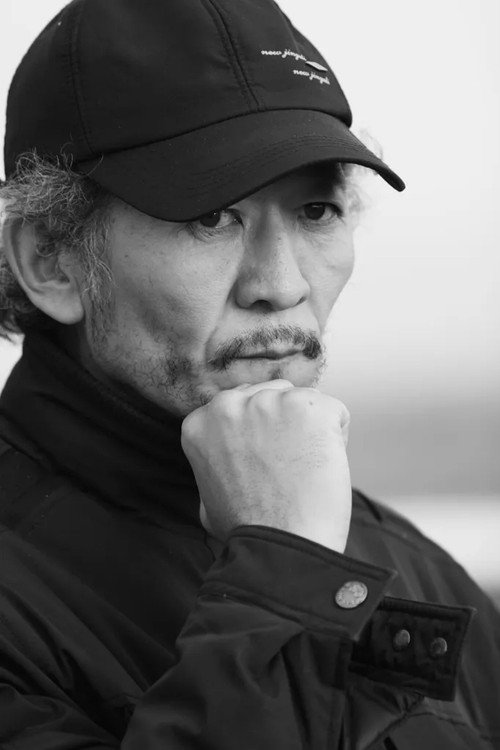
Ernest Abdyjaparov
Directing
Biography
Ernest Abdyjaparov was born on 27 February 1961 in Frunze, Kirghiz SSR, USSR [now Bishkek, Kyrgyzstan]. He is a writer and director, known for Saratan (2005), Boz salkyn (2007) and Sparrow (1996).
Filmography Movies
Acting
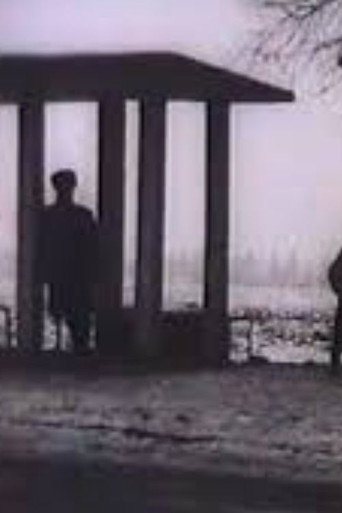
Bus Stop
A puzzling fable about human relations inspired by Samuel Beckett (in Kyrgyz, beket means station). At a bus stop amid a snowy winter landscape, people wait. A boy, an adult, and an old man are at first joined by a woman, and then a disruptive drunk.
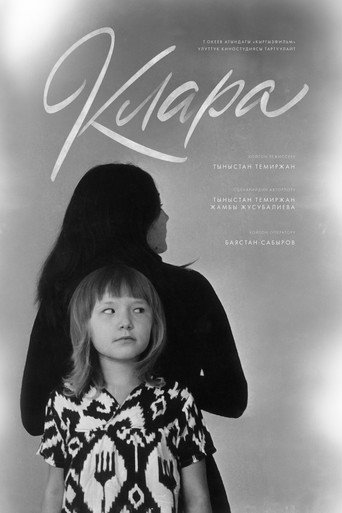
Klara
The documentary explores the life of Klara Yusupzhanova, celebrated actress-turned-director, through the perspectives of her colleagues, husband, and daughter, unfolding in three parts: her acting career, her journey as a filmmaker, and her unfinished project, "Aeroplane."
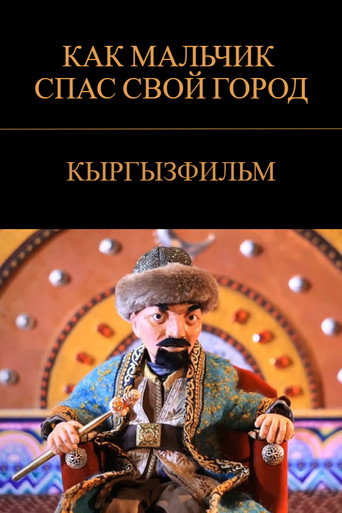
How a Boy Saved His City
As his city faces the threat of being conquered by an evil lord, a brave boy decides to take matters in his own hands.
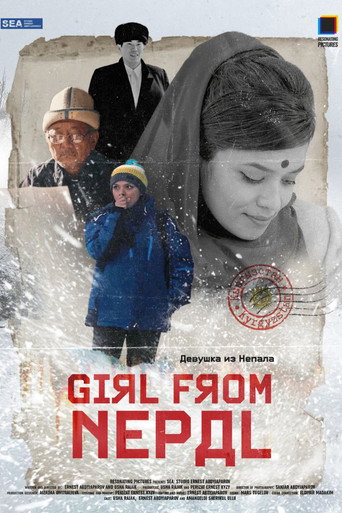
Girl From Nepal
A girl from Nepal, Hema, comes to Kyrgyzstan and finds Kairat to give him a letter from her mother Uma. From the letter we learn that they met 40 years ago when Kairat mistook Uma for the Indian actress Hema Malini.
Production
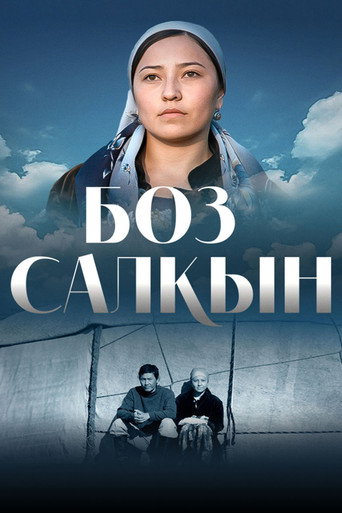
Pure Coolness
Asema, a Kyrgyz city girl visiting her boyfriends family in the countryside, is mistaken for a villager and accidentally kidnapped by Sagyn, a young shepard who was too shy to ask the young girl for marriage.
Pure Coolness
Asema, a Kyrgyz city girl visiting her boyfriends family in the countryside, is mistaken for a villager and accidentally kidnapped by Sagyn, a young shepard who was too shy to ask the young girl for marriage.
Pure Coolness
Asema, a Kyrgyz city girl visiting her boyfriends family in the countryside, is mistaken for a villager and accidentally kidnapped by Sagyn, a young shepard who was too shy to ask the young girl for marriage.
The Swing
The second film by Kyrgyzstani director Aktan Arym Kubat (then credited by his Russian name Aktan Abdykalykov), it is the first of his autobiographical Kurak ("Quilt") Trilogy, followed by Beshkempir (The Adopted Son, 1998) and The Chimp (2001). Идиллия детства, радости, игры разрушается с возвращением в маленькое горное село моряка. В прекрасный мир девушки, мальчика и юродивого врывается великолепная морская форма с клешами и бескозыркой, и волшебная морская ракушка - источник всех их будущих бед.
Taxi and Telephone
It is a rainy day in the far-distant 1960s. A lone taxi stands outside a telephone booth at the bus station in the city of Frunze, waiting for passengers. The taxi pulls out only when full or if someone pays for the entire car. Everyone who approaches the taxi tries to place a call to a loved one, and thus we learn different stories. One passenger, Zoja, is escaping to her parents’ house, fleeing her husband who is cheating on her with a friend of hers. Two passengers who are in transit are debating about a classmate, Muhtar and his wife Mahabat – will he recognize them, welcome them into his house as late-night guests. The discussion blossoms into a true drama. The taxi driver makes a call home, too, to say good-bye to his wife and ask what to bring his newborn son from far-off Osh. During the night, we learn about the tragedies and joys of the passengers and phone booth users.
Taxi and Telephone
It is a rainy day in the far-distant 1960s. A lone taxi stands outside a telephone booth at the bus station in the city of Frunze, waiting for passengers. The taxi pulls out only when full or if someone pays for the entire car. Everyone who approaches the taxi tries to place a call to a loved one, and thus we learn different stories. One passenger, Zoja, is escaping to her parents’ house, fleeing her husband who is cheating on her with a friend of hers. Two passengers who are in transit are debating about a classmate, Muhtar and his wife Mahabat – will he recognize them, welcome them into his house as late-night guests. The discussion blossoms into a true drama. The taxi driver makes a call home, too, to say good-bye to his wife and ask what to bring his newborn son from far-off Osh. During the night, we learn about the tragedies and joys of the passengers and phone booth users.
Taxi and Telephone
It is a rainy day in the far-distant 1960s. A lone taxi stands outside a telephone booth at the bus station in the city of Frunze, waiting for passengers. The taxi pulls out only when full or if someone pays for the entire car. Everyone who approaches the taxi tries to place a call to a loved one, and thus we learn different stories. One passenger, Zoja, is escaping to her parents’ house, fleeing her husband who is cheating on her with a friend of hers. Two passengers who are in transit are debating about a classmate, Muhtar and his wife Mahabat – will he recognize them, welcome them into his house as late-night guests. The discussion blossoms into a true drama. The taxi driver makes a call home, too, to say good-bye to his wife and ask what to bring his newborn son from far-off Osh. During the night, we learn about the tragedies and joys of the passengers and phone booth users.

Heavenly Nomadic
A family of nomads lives in the remote high mountains of Kyrgyzstan...

Saratan
Episodic portrait of the absurdities of Kyrgyz village life in the summer.
Saratan
Episodic portrait of the absurdities of Kyrgyz village life in the summer.
Gallery