Writing
No biography available.
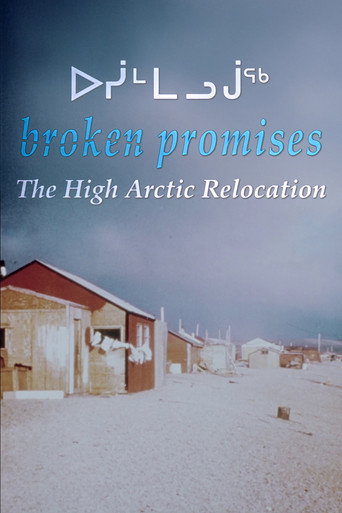
In 1953 the Canadian government relocated Inuit families from Northern Québec to the High Arctic, promising an abundance of game and fish and assuring them they could return home after two years if things didn't work out. They would not see their ancestral lands for 30 years. Abandoned in flimsy tents, the Inuit were left to fend for themselves in the desolate settlements of Resolute Bay and Grise Fiord, where the sea was nearly always frozen and darkness reigned for months on end.
Two Canadian police officers take on a tour of duty in East Timor.
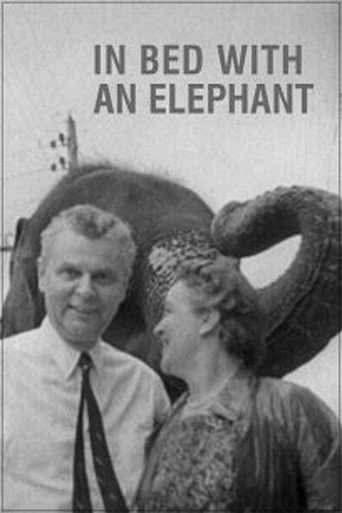
This feature documentary provides a gripping retrospective of United States-Canada relationships through a study of successive presidents and prime ministers. Using archival film footage, it demonstrates that Canadian prime ministers, from John A. Macdonald down, all began their tenures by making overtures to their American counterparts. Attitudes and outcomes have varied widely. The almost comic antipathy between Kennedy and Diefenbaker, for instance, is as palpable here as is the folksy camaraderie of Reagan and Mulroney. Part four of Reckoning: The Political Economy of Canada series.
This documentary looks at the microchip, an American invention exploited by the Japanese that caused a second industrial revolution. The devastating effect on millions of human lives is related through interviews with some of the newly jobless in Hamilton, Ontario. Using the example of Japan for contrast, host James Laxer demonstrates that the cost of technological advances need not be so high if their effects are foreseen and planned for. Part 2 of the series Reckoning: The Political Economy of Canada.
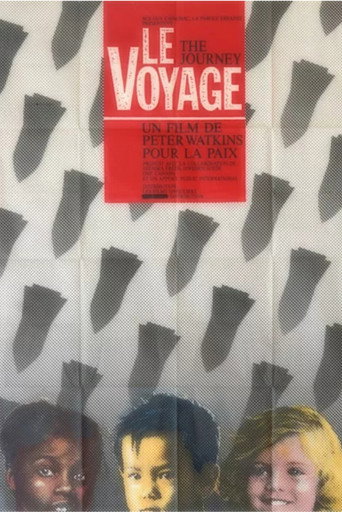
Peter Watkins' global look at the impact of military use of nuclear technology and people's perception of it, as well as a meditation on the inherent bias of the media, and documentaries themselves.
Chronicles little known chapters in the history of the birth control pill. Examines how far the pharmaceutical industry was willing to risk women's health. Interviews women from Puerto Rico who became unsuspecting test subjects. Provides insights from women health activists who questioned the high-dose version's safety, and testimony from scientists who developed the pill.
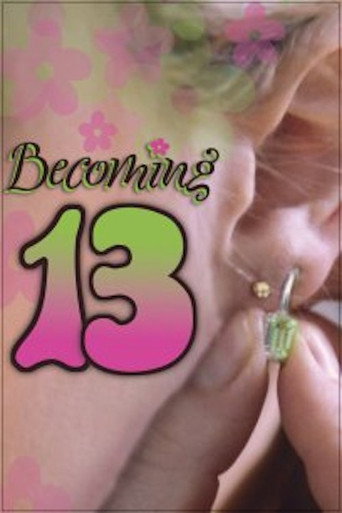
Explores the intimidating terrain of girlhood by following three 12-year-olds over the period of one year. As these girls move from childhood to maturity, it's clear that peer pressure is an important influence, but as the films shows, the greatest influence in a young girl's life is family.