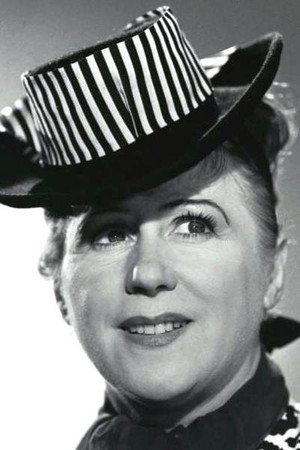
Erika Voigt Movies, TV Shows, and Filmography
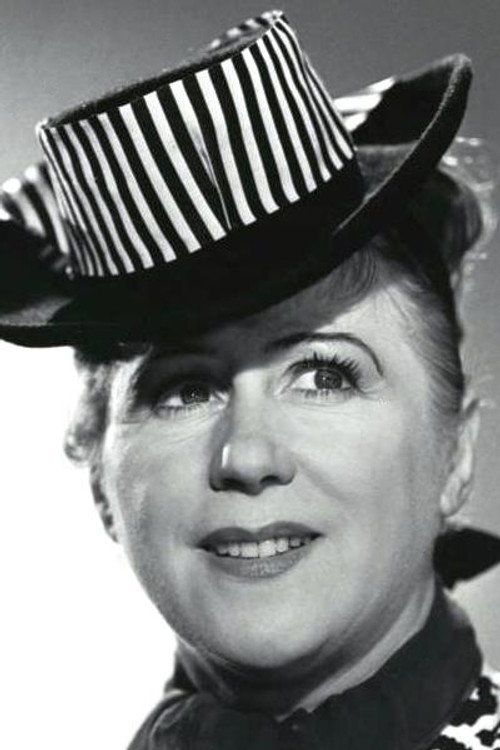
Erika Voigt
Acting
Biography
Skuespillerinde, sangerinde. Født 28/11 1898, død 29/5 1952 - 53 år gammel. Gift 1º med skuespiller og teaterdirektør Kai Voigt (1894-1946) - ægteskabet opløst, 2º med kapelmester Arne Wellejus (1909-88) - ægteskabet opløst i 1939, 3º med solodanser og koreograf Hans Brenaa (1910-88). Indledte sin karriere som revyskuespiller i provinsen i en alder af 17 år. I en længere årrække var hun engageret ved Apolloteatret og fik sit egentlige gennembrud dér i 1943. Uddrag fra Morten Piils "Danske filmskuespillere" (Gyldendal, 2003): I 1940'ernes anden halvdel afløste hun den sygdomsplagede Liva Weel som fejret revy-dronning, men hendes stjernestatus på teatret gik ikke igen på film. Her gør hun - med sin kompakte konefigur, sit tindrende gode humør og sin indtagende djærve københavnerfacon - god fyldest i biroller. Der er noget ægte solbeskinnet ved hendes væsen, et præg af svundne tiders klippesikre ukuelighed. Som oftest lyste hun op i folkekomedier, men hendes forlystelsessyge hustru i Carl Alstrup-dramaet "Peter Andersen" (1941) viser oplagt talent for karakterspil i en sjælden negativ rolle. Mere åndsbeslægtet virker dog hendes husmor fru Lykkeberg i "Lykken kommer" (1942) - "et af de få livsstykker, man kan udholde" (Jørgen Stegelmann). Her ses hun i tæt, harmonisk samspil med en overdådigt veloplagt Ib Schønberg, der som sporvognskonduktør elsker "mutter og linie otte" - småborgerlighed med et menneskeligt ansigt. Hun er kvindesagskvinde i "Op med lille Martha" (1946), og i "Bag de røde porte" (1951) ses hun igen i samspil med Ib Schønberg, der som indehaver af en sangerindepavillion behandler hendes gæve bakkesangerinde med tilbørlig respekt. Og i "Fodboldpræsten" (1951) har hun som menighedsrådsformand igen hjertet på det rette sted, omend hendes geskæftighed kan tage overhånd. [Uddrag fra "Danske filmskuespillere" slut]
Filmography Movies
Acting
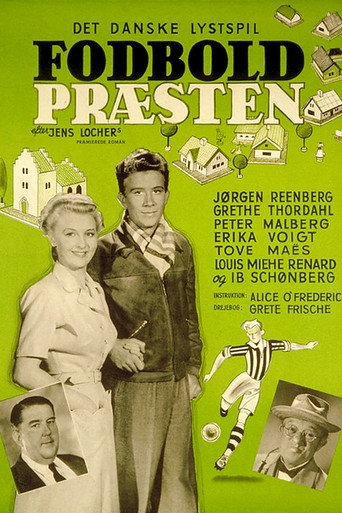
Fodboldpræsten
Søren Holm becomes a pastor in the small town of Harslev. The parish council chairwoman, Mrs. Andersen, interferes in the pastor's family's private life, and when Søren plays in a soccer game to get to know the town's young men, Mrs. Andersen becomes furious. Half of the parish turns its back on Søren. But Søren does good work for the young people, and gradually, with the help of the parish clerk, he is accepted by both the parish council and the town's youth.

Det gamle guld
Due to his gambling addiction, farmer Hans Sværke has brought his farm to the brink of bankruptcy, thereby opening up the opportunity for the wealthy landowner Karius to achieve his goal of taking over the farm. However, parish bailiff Mikkelsen vouches for Sværke and saves him for the time being, and Sværke then leases the farm. Sværke dies, and his talented son Niels takes over the lease. He and the farmer's daughter, Grethe, are happy together, and Niels manages to get her hired at the farm. But Karius' daughter, who is in love with Niels, burns with jealousy and persuades her father to take advantage of Niels' difficult financial situation and take over the farm. Things look bleak for Niels, who has been cornered by the wealthy landowner. But one day while plowing, he sees something glinting in the soil...

Alle gaar rundt og forelsker sig
At the Central Theatre in the chorus girls' cloakroom, the girls have a very lively discussion: The ever-recurring topic - their various male acquaintances. The only one who doesn't join in the joke is the pretty Mette Madsen. She thinks her friends are frivolous and stupid. Oda Holm, who is a very pretty girl, full of sex appeal, claims that Mette, who is also an excellent chairwoman of the chorus girls' organization, is completely devoid of "Oomph". She is incapable of exerting any attraction on men. It becomes too much for Mette.
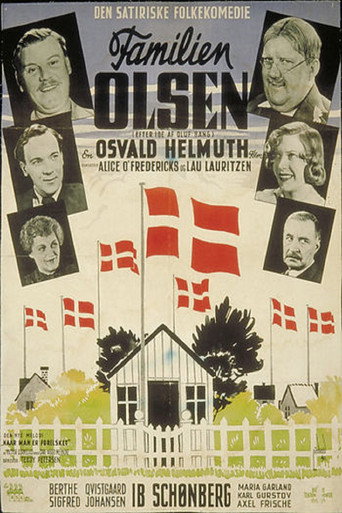
Familien Olsen
In a large fish export company, the general manager's talented son Hugo holds a trusted position. When one day 500 kroner is missing from the cash register, speculation begins about who the culprit might be. Greengrocer Olsen is a happy man, completely satisfied with the lot he has been allotted in life. When he is drawn as a juror in the case against the general manager of the fish export company, he is beside himself: he has no idea. But who is the culprit anyway?

Mille, Marie og mig
Little Miss Ellen Klausen, called "Klaus", is a medical student and is fighting bravely to complete her studies. It was her father's will that she should become a doctor. Klaus is endowed with a strong charisma and infectious joy of life, and she is infatuated with her stylish professor. She exploits her talent for singing by getting a job as a chorus singer under the name "Mille". Here she gets into trouble when she slaps an eager butcher after he has reached out to her.
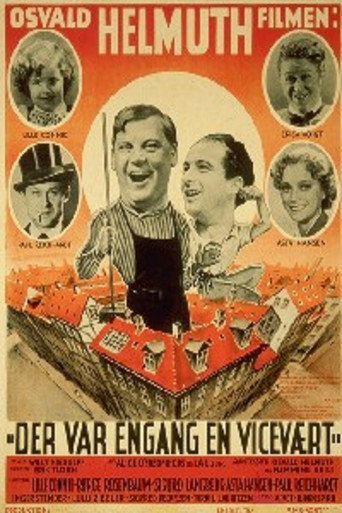
Der var engang en vicevært
Christensen is the caretaker of a property in the inner city. He is a bachelor and has taken in a poor little girl. The house is inhabited by ordinary people, and the friendly caretaker is like a father to them. Up in the attic lives a whole colony of young artists: actors, dancers, writers and composers. They are poor, but they hold the flag high. They are confident that one day they will have their big breakthrough, and they are working diligently on a revue that their leader, a young musician and composer, has written.
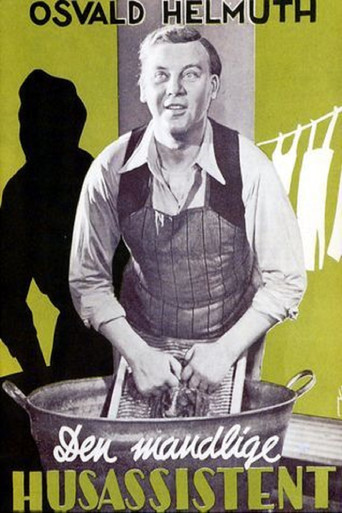
Den mandlige husassistent
When waiter Thomas Hansen has put aside 10-øre on 10-øre to become a hotel owner, you can clearly see that the spirit has changed. It is not enough, by the way. Therefore, Thomas borrows the missing 10,000 kr. from a guest, rentier Birkehøj, who remarks that he can always get those shillings back when Thomas has become a millionaire. But, for the record, Thomas writes him a receipt on the back of a sandwich note. Then Thomas starts building his hotel - and then Birkehøj dies. Thomas' entire fortune is eaten up by smart money men, and he ends up as a farmhand. He only gets a job again when a maid is laid off. Thomas becomes a housekeeper, and in his new job he encounters justice. A hotel owner Ravn from Ringkøbing shows up as a guest in the house.

Behind the red gates
Behind the red gates lies Dyrehaven with the green beeches and the famous zoo hill - the motley world of clowns. Professor Labardi is behind the popular singer pavilion, where his young daughter, Gulnare, performs. After a rainy summer, there is an economic low tide on Bakken, and the family is tempted to seek help from Gulnare's enterprising suitor, Carlo Petersen. But Professor Labardi carries a secret: the clown family has family ties to the fine legal world outside the gates. There is conflict, money transactions, love, hypocrisy and villainous streaks when the fine world and the hill folk meet. Behind the Red Gates is a terrific folk comedy that takes us behind the attractions at the traditional amusement park in Klampenborg.
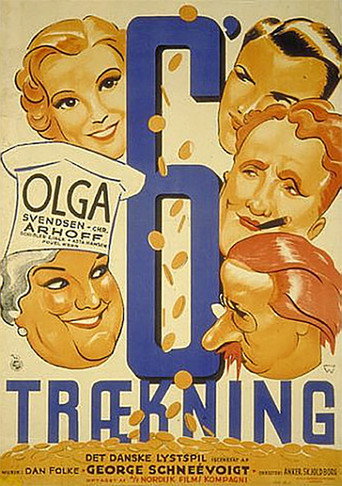
6th draw
Before tipsters and electronic lottery games, you could turn to centrally located citizens who sold lottery tickets. One such person is Peter Blomberg, and with him, butcher Lund and his wife won a quarter of a million Danish kroner! In 1936, that was so much money that you could throw it all around and radically change your lifestyle. And Mr. and Mrs. Lund do so in the most festive way... and Blomberg should also have a piece of the cake...
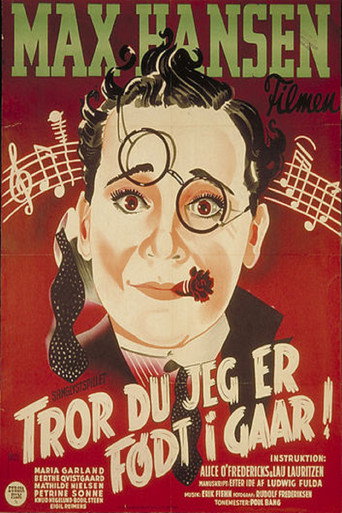
Tror du jeg er født i gaar?
There has just been a funeral. Outside the cemetery, the family members are standing and discussing how much their deceased great-uncle, the rich toy manufacturer Th. Olsen, has left behind. The family is waiting for little Cornelius Nielsen, who is always late. When he appears, a lively discussion begins about who Uncle Theobald has appointed as heir.
Gallery