Acting
No biography available.
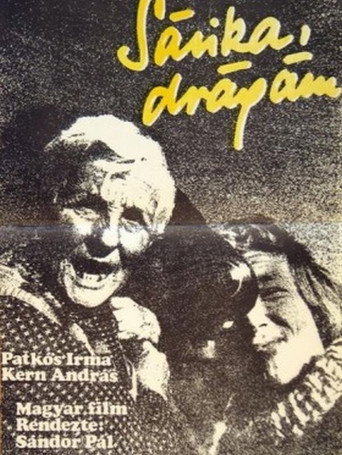
After his divorce, Bóna Péter, a beginner film director needs a bigger amount of money to settle his financial problems with his ex-wife. He travels to Pécs to see Sárika, an old veteran. He has not seen his aunt for a long time, and she receives him very friendly, but she flatly refuses to lend him any money.
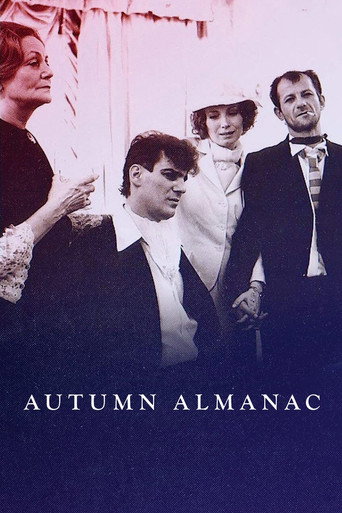
In this dense setting, the inhabitants of a large, claustrophobic apartment reveal their darkest secrets, fears, obsessions and hostilities.
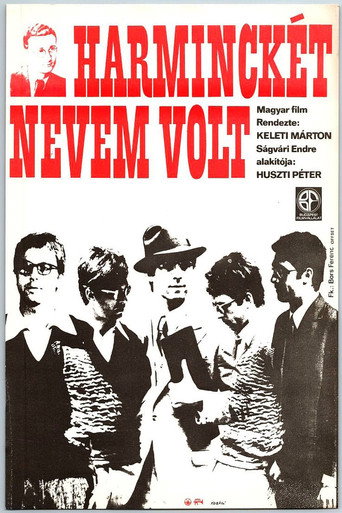
The film, paying a tribute to the memory of Endre Ságvári, a Communist hero, goes back to the summer of 1944. Through Colonel Gombos-Götz who has recognised that the Nazi-Germans will be ultimately defeated, Ságvári, the leader of the Young Communist Workers' Association asks Csiszár, the commander of the barracks in Andrássy street to provide him with guns to help release the Communist prisoners in Tata.
Frigyes, shortly after immigrating to New York City from Hungary, leaves his family for the pleasures and gratifications of being a street bum. But as time goes by, the appeal of this lifestyle wanes. A series of adventures with other drifters reaches a dramatic conclusion when some thugs murder one of them. This startling event forces Frigyes to come to terms with his current situation and decide whether to return to the family he abandoned.
A divorced middle-aged woman takes home an ardent suitor, only to discover that he prefers her teenage son. The mother is an overworked coffee-shop attendant, the suitor turns out to be a plain-clothes policeman and the boy is a frustrated flautist.
A musical farce about women in the canning factory. The pretty Brigitta tries to commit suicide, because Laci left her, pregnant, but her mates save her.
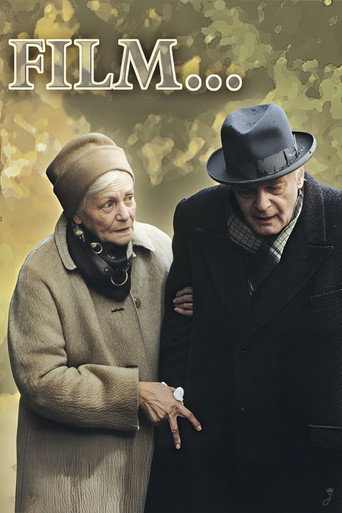
Miklós Mészöly's short novel Film aims to show the last few hours of an elderly couple's life. The last moments of two people who, in the midst of historical storms, inhumanity and loss of values, remained together in the strange grip of love and dependence. The most moving is the formulation of the fundamental question: can we and can we say goodbye with dignity, how much we are lost and vulnerable when we set off into the unknown.
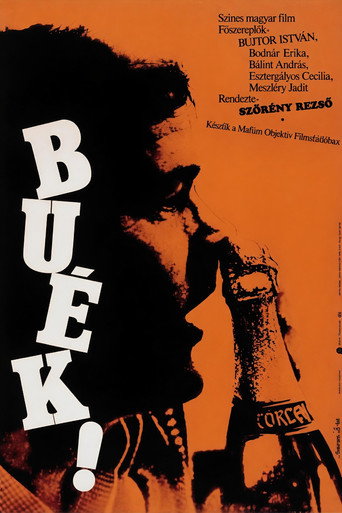
Three thirtysomething chemical scientists, Laci, Gyuri and Kati celebrate the success of their development program before New Year's Eve with drinking for several days. But the morning of New Year's Eve does not bring the expected recognition, because the nice, bald, old director is replaced by a young, bald, but disagreeable one. In a sodden atmosphere it becomes clear that everybody has an axe to grind in the informative discussions.
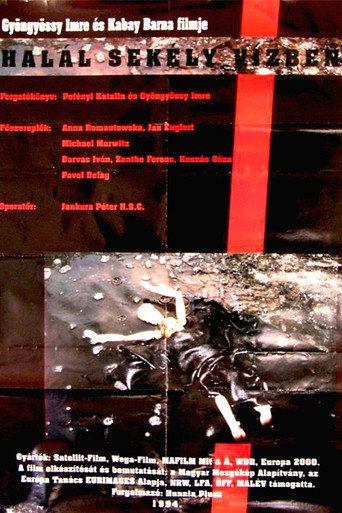
1991, farewell in Budapest. Mária remembers the past in tears. Her husband, Tibor, a chemist and a target of the KGB, left their apartment one evening to fetch some cigarettes only to be found drowned in the shallow Lake Balaton the following day. Their son, Peter, a student in Western-Europe, was found dead on the Danube embankment.
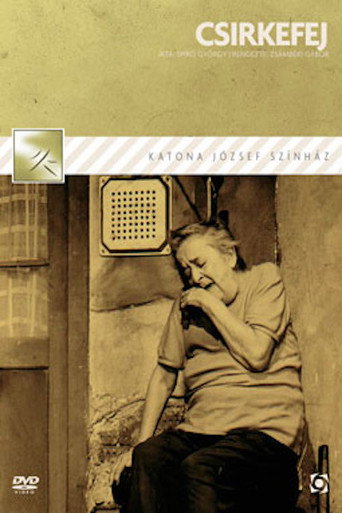
It is a tragedy, set among low-lifes on the outskirts of Budapest. Dramatic Exchange describes it as "Widely considered to be the most important Hungarian play of the last 20 years". The odd title of the play refers in the first instance to the chicken heads that an old woman feeds to her cat. However, it can also be taken to refer more broadly to the obtuse behaviour of the main characters in the play. The play is an odd mixture of pathos and nihilism, written against the bleak background of Stalinist totalitarianism from which Hungary was emerging. As with much modern drama, there is no hero in the play. The only noble behaviour that one can find belongs to one of the characters in the past, when he was a child, but he is no longer as he was. The hint that what once existed might be achieved again is the only faint ray of hope in a very bleak view of the human condition.