Erik Pauser Movies, TV Shows, and Filmography
Erik Pauser
Directing
Biography
No biography available.
Filmography Movies
Production
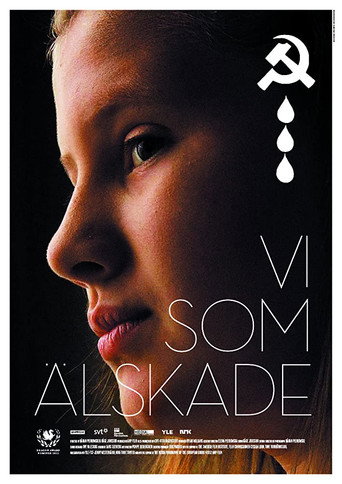
Once There Was Love
Twelve years ago Anya and Zhenya had a daughter, Nadya. They were very young, and their life soon became a problem. Zhenya ended up in jail, and Anya and Nadya ended up living with Zhenyas family. During the twelve years that have passed, Anya has done quite a lot of changes in her own and Nadya’s life, some of them involving Zhenya. The first time Zhenya went to jail – for beating Anya – he didn’t have to stay that long. But the second time he was sentenced to four years, for rape. During most of the twelve years Anya has worked with Zhenyas mother in their shoemaker’s workshop. Zhenyas father, a retired policeman, has come and gone in the shop, taken care of his granddaughter, but also had a relationship with Anya. When Sasha, Zhenya’s father, beats Anya and ends up in prison, Anya finally leaves Zhenyas family.
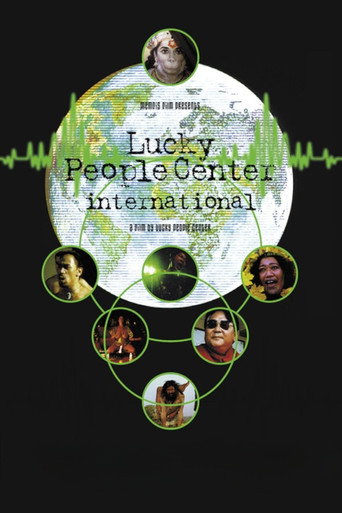
Lucky People Center International
Lucky People Center International takes us on a journey around the world through human souls. Music's rhythms and the film's pulsing form reminiscent of the music video aesthetics and gives the documentary a new face. The film traveled around the world for two years to find people and lifestyles that reflect the world before 2000.
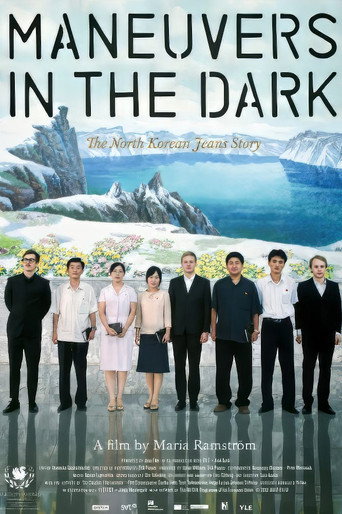
Maneuvers in the Dark
Maneuvers in the Dark is the story of how three young Swedish entrepreneurs manage to sneak through the backdoor of North Korea in an attempt to produce jeans in the country, and of the spiraling repercussions that follow as they begin to trade with the worlds most sealed dictatorship.

Swimming with Men
A man who is suffering a mid-life crisis finds new meaning in his life as part of an all-male, middle-aged, amateur synchronised swimming team.
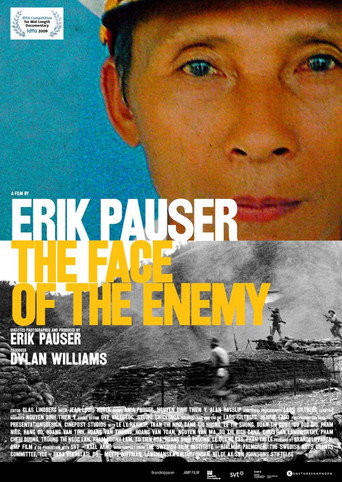
The Face of the Enemy
An anti-war film about the personal suffering behind the hard statistics, which show that more than four million Vietnamese died during the Vietnam War, as opposed to 58,000 Americans. We hear South and North Vietnamese, including émigrés to the United States, describing how huge numbers of friends met their deaths, caught as they were between government forces, the Vietcong, and the Americans; how political boundaries divided not only the country, but also families; how mothers deserted their children because their fathers were American soldiers; and how the war cruelly lingers on long after hostilities ceased, in the lives of children born crippled by chemical weapons.
The Face of the Enemy
An anti-war film about the personal suffering behind the hard statistics, which show that more than four million Vietnamese died during the Vietnam War, as opposed to 58,000 Americans. We hear South and North Vietnamese, including émigrés to the United States, describing how huge numbers of friends met their deaths, caught as they were between government forces, the Vietcong, and the Americans; how political boundaries divided not only the country, but also families; how mothers deserted their children because their fathers were American soldiers; and how the war cruelly lingers on long after hostilities ceased, in the lives of children born crippled by chemical weapons.
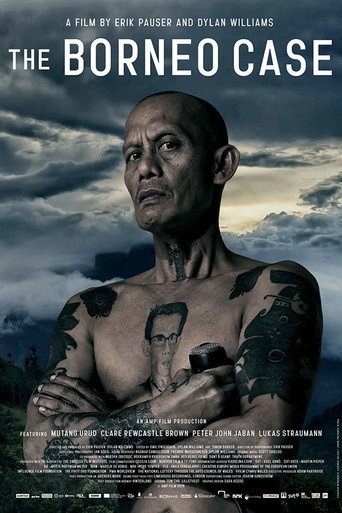
The Borneo Case
The Borneo Case is a unique story filmed over 25 years and tells the epic tale of how the rainforest, home of the last nomads was stripped of its natural resources. It reveals how billions of dollars of illegal profits solicited by the Chief Minister of Sarawak State in Malaysia were money laundered with the assistance of the largest global banks into offshore accounts and property portfolios all over the world. The case was labelled as the largest environmental crime of the century.
Tong Tana 2 - The Lost Paradise
Bruno Manser the main character of our film where in the end of November 2000, two months after we finished our film reported missing in the jungle - most probably he has been killed. This film is a follow up of a film also made by Charon film in 1989 called Tong Tana - A journey to the heart of Borneo. The first film was about one of the greatest ecological catastrophes of our time, the destruction of the world’s oldest rainforest. It was also a film about one of the last nomadic tribes on earth, the Penans who have lived in the same way for thousands of years. A Swiss, Bruno Manser was living with them. At the time, he had been in the jungle for six years.
The Borneo Case
The Borneo Case is a unique story filmed over 25 years and tells the epic tale of how the rainforest, home of the last nomads was stripped of its natural resources. It reveals how billions of dollars of illegal profits solicited by the Chief Minister of Sarawak State in Malaysia were money laundered with the assistance of the largest global banks into offshore accounts and property portfolios all over the world. The case was labelled as the largest environmental crime of the century.

Palme's Secret Agent
At the height of the cold war a struggle broke out between Governments from all over the world as to which position to take about the system of apartheid in South Africa. Leading the fight was Olof Palmes' Swedish Government, which covertly funneled over US$ 1 billion to the resistance movement. This money was given without the knowledge of either the Parliament or the Swedish populace. At the center of the net in South Africa was a Swedish diplomat called Birgitta Karlström Dorph. Meanwhile at the UN the Swedes with their Scandinavian counterparts attempted to win the argument for economic sanctions. This led to bitter arguments which saw Palme leading the fight against the Reagan and Thatcher administrations.