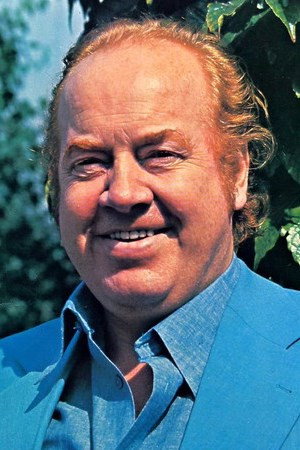
Erik Paaske Movies, TV Shows, and Filmography
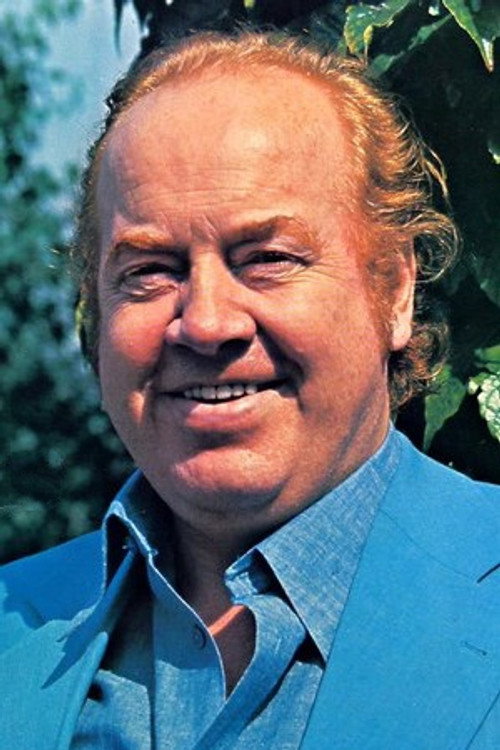
Erik Paaske
Acting
Biography
Erik Johannes Paaske, der var søn af cementstøber Frithjof Paaske (død 1982) og hustru Johanne Thomasen (død 1967), gik helt traditionelt i lære som murer i årene 1948-1952. Derefter arbejdede han i seks år som murersvend på Kolding kanten og ernærede sig desuden som gårdsanger og balmusiker. Hans hobby var at spille amatørkomedie. Den kongelige skuespiller Søren Weiss opfordrede ham under et besøg i Kolding til at rejse til København for at blive professionel skuespiller. I 1958 blev han elev på Det kongelige Teaters elevskole og indgik efter udstået elevtid i teatrets faste ensemble fra 1961 og frem til 1974. Efter en afstikker til Holstebro Revyen som kunstnerisk leder forlod han Det Kongelige Teater i 1974. Siden blev han free-lance med særlig tilknytning til Folketeatret. Han havde også engagementer bl.a. i Lorry, på Amager-Scenen og på Det Danske Teater. I 1975 optrådte han i Cirkusrevyen, hvor han spillede harmonika og bl.a. havde visen "Vort Fædreland". Han havde også engagement i revyen i Holstebro og var atter med i Cirkusrevyen i årene 1985, 1986 og 1990. Bl.a. havde han i 1986 en duet i Cirkusrevyen med Claus Ryskjær - "Hva vi men'sker dog ska' og må gennemgå". Erik Paaske havde også stor succes som Tewje i "Spillemand på en tagryg", som han spillede ad tre gange i Aalborg, i Odense og på Nørrebros Teater. Desuden spillede han bl.a. titelrollen i "Hr. Puntila", Dr. Stockman i "En Folkefjende", titelrollen i "Jeppe på Bjerget" og Willy Loman i "En sælgers død". Han blev folkeeje efter store TV-successer i 1967 som overbetjent Gormsen i "Kan De li' Østers" og i 1971 som den trivelige redaktør Heilbunth, formand for Ædedolkenes Klub i "Livsens Ondskab". I 1965 havde han hovedrollen i "Hr. menigmand" et nordisk TV-spil produceret af svensk TV. Erik Paaske blev kendt og populær som visesanger, indsang danske sange og viser på grammofonplader og var ofte på turne rundt i provinsen som underholder ved kongresser og fester. Bl.a. sang han i 1971 "En fattig troubadour" og i 1984 "Bag fængslets mure". I 1979 fik han teateranmeldernes ærespris - Teaterpokalen - for hovedrollen som Hr. Puntila, i 1984 fik han LO's Kulturpris og to uger før sin død modtog han Olaf Ussings legat. Den 20. januar 1962 blev Erik Paaske gift i Nørre Bjert Kirke ved Kolding med skuespillerinden Elsebet Knudsen. Erik Paaske blev senere gift den 23. december 1970 med sekretær Margit Jensen (20-09-1937).
Filmography Movies
Acting
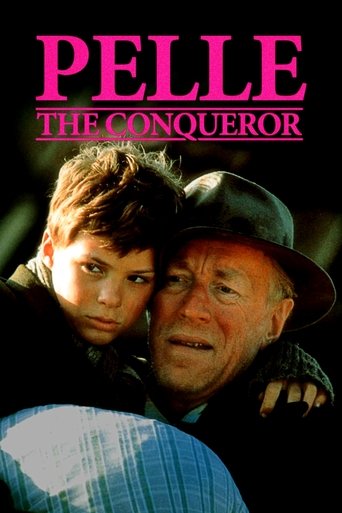
Pelle the Conqueror
In the late 19th century, two Swedish emigrants, Lasse Karlsson and his son Pelle, arrive on the Danish island of Bornholm hoping to find work on a farm and save enough money to travel to the United States of America.
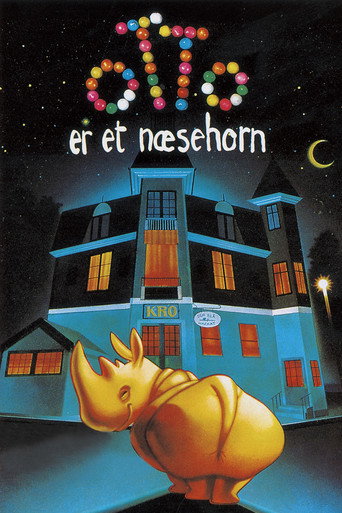
Otto Is a Rhino
The boy Topper is bored. He finds a pencil that proves to have magical powers. Draw a rhino, and right away, you have a real rhino for a companion. A little heavy perhaps, when you live on the second floor. No matter, it's a modern fairy-tale of the baroque, and everything goes. Based on kiddie entertainment by Ole Lund Kirkegaard, but as was the case with the book, the fun is to be enjoyed by one and all.
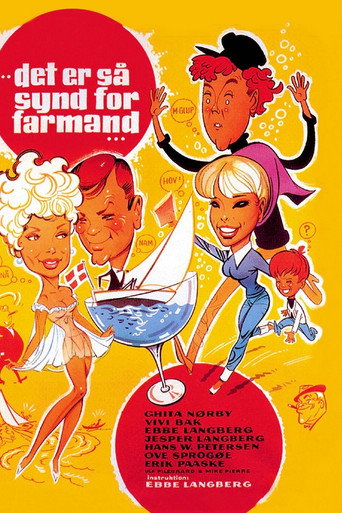
What a Pity About Daddy
About the young Aarhus businessman Jacob Hansen who is going to a congress in Copenhagen. His competitor in the firm sends his secretary over to spy and bring Jacob into disrepute. The secretary has sympathy for Jacob, creating complications when his wife show up.
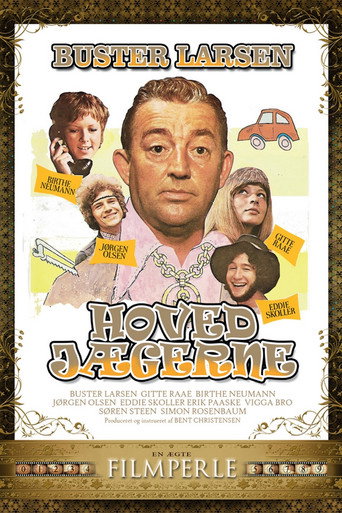
Hovedjægerne
A group of young people want to change society, so they cut off the head of a statue of Christian IV. The head is hidden in the archives of Director Lund, where Anna has just been hired. Anna teaches Director Lund to be young and liberated. Lund goes along with it but is ultimately betrayed by the group.
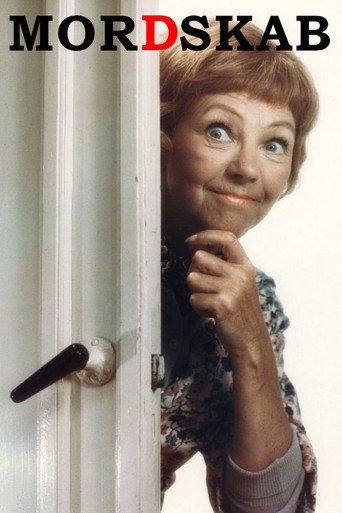
Busybody
In a large office building, a mysterious murder is committed, after which the body disappears. Lily Hansen, the building's helpful and talkative cleaning lady, is driving the detective investigating the case crazy with her interference. Of course, the mystery can only be solved with her help.
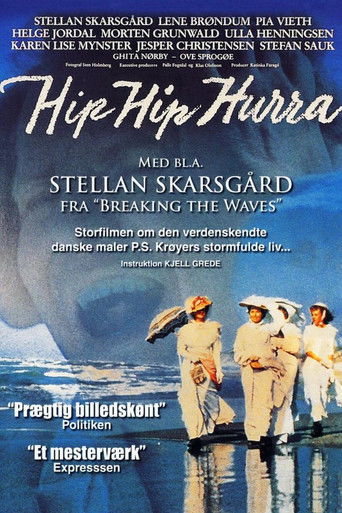
Hip Hip Hurrah!
The life and times of the Scandinavian artists' colony who lived in Skagen on the Danish coast during the 1890s. Not so much a biographical account, rather a portrait of a way of life. The painters became famous for the way they used the light in their work, and this has also been mirrored in the cinematography.
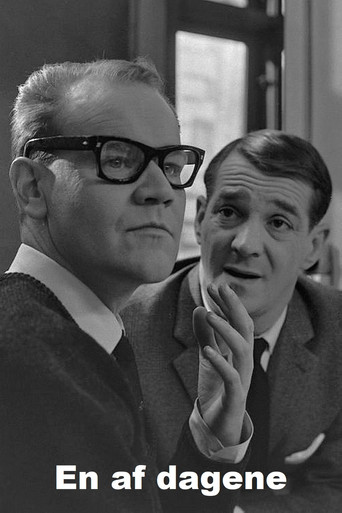
En af dagene
Depiction of ordinary everyday life. The action takes place in an office, with the characters Tom, Norman, and Carl as the focal points.
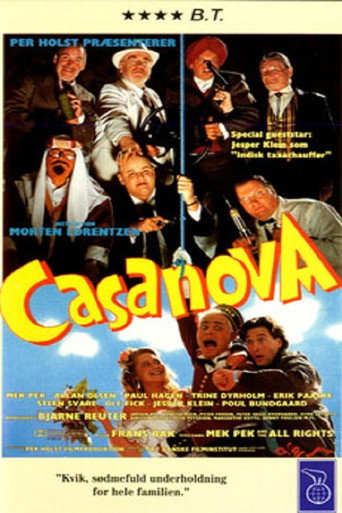
Casanova
Farcial action fun with Bertil and Hugo, who do menial jobs at a big city hotel. Bertil is about to marry and has put money aside for his bride's morning gift. Only Hugo has kind of borrowed the money and blown it all on a wrong bet in a pigeon race. Together, they obviously have to get rich quick. When a diamond seems to be lying around for the taking, the hotel is virtually on its head.
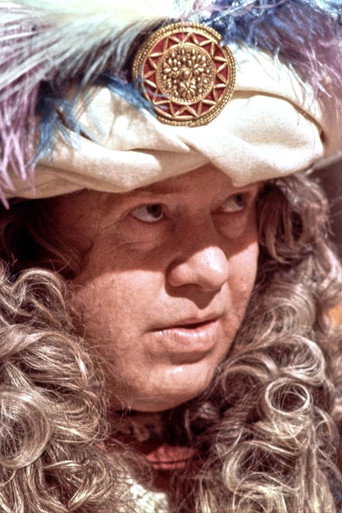
Den fine mand
The newly rich Mr. Jourdain dreams of climbing the social ladder in 17th-century Paris. And he makes a fool of himself as he tries to become proficient in philosophy, dance, music, and fencing.
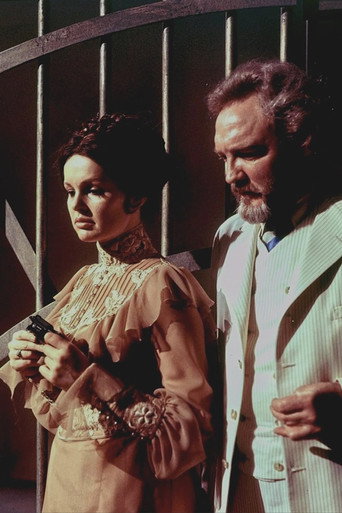
Solens børn
Gallery