Acting
Erik Belton Evers Bruhn (3 October 1928 – 1 April 1986) was a Danish danseur, choreographer, artistic director, actor, and author.
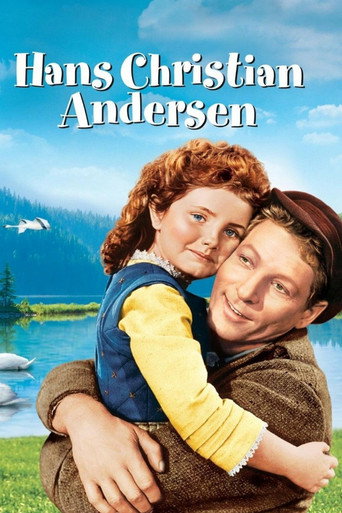
A small-town shoemaker with a knack for spinning yarns, Hans encounters happiness and heartbreak on his road to becoming a full-fledged writer.
Bruhn’s Swan Lake was a fascinating psychological drama that departed from traditional versions, which proved controversial and ground-breaking. He enhanced the role of Prince Siegfried, whom he occasionally performed, with more dancing and depth, saying he wished to tell the story of the Prince rather than the Swan Queen. He also changed the role of Von Rothbart, the evil sorcerer, to the Black Queen (initially played by Franca). His telling changed the story from a struggle between good and evil to focus on the Prince’s relationships with the women in his life – his mother, the Black Queen, the Swan Queen and the Black Swan – each representing a different form of control or influence. To emphasize the powerful emotion of the story, Bruhn reinstated the tragic ending, with the Prince driven to his death by the swans.
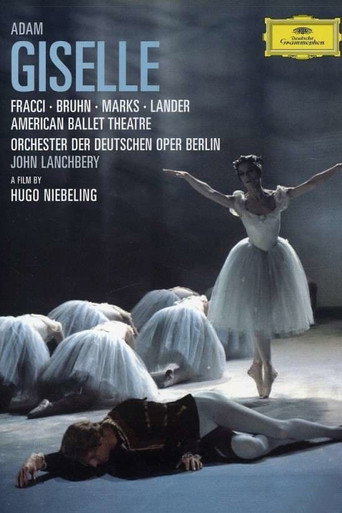
A film version of the ballet Giselle. Filmed in a studio, using innovative editing and cinematography to go along with the choreography, this film stands out from filmed stage-performances.
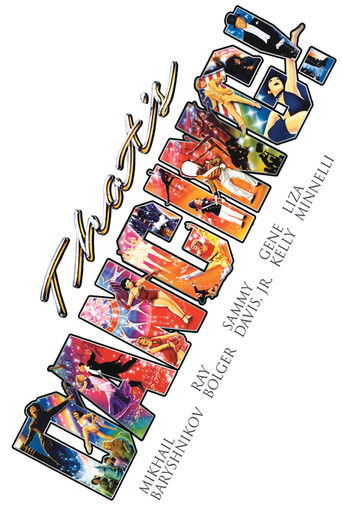
A documentary film about dancing on the screen, from its origins after the invention of the movie camera, over the movie musical from the late 20s, 30s, 40s, 50s, and 60s, up to the break dance and music videos from the 80s.
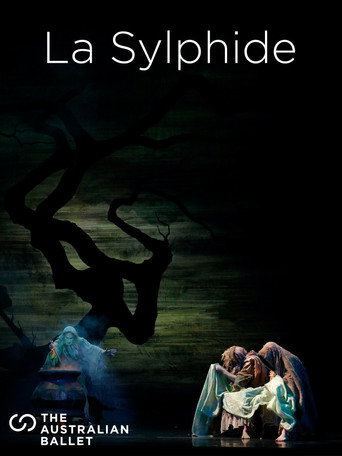
Revisit a monument of ballet history: La Sylphide, in a production directed by Erik Bruhn following the legendary original choreography of August Bournonville! This veritable tragedy in dance tells the story of a young Scotsman who leaves his fiancée out of love for a sylph—a spirit of the air that he alone can see... The impeccable artists of the Australian Ballet, led by Leanne Stojmenov and Daniel Gaudiello, offer a dazzling interpretation of La Sylphide, set among the sumptuous sets by Anne Fraser which beautifully complement this romantic masterpiece, whose Paris premiere in 1832 is widely thought to mark the beginning of en pointe dancing by the incredible Marie Taglioni!