Erich Segal Movies, TV Shows, and Filmography

Erich Segal
Writing
Biography
Erich Wolf Segal (June 16, 1937 – January 17, 2010) was an American author, screenwriter, educator, and classicist who wrote the bestselling novel Love Story (1970) and its hit film adaptation. Born and raised in a Jewish household in Brooklyn, New York, Segal was the first of three brothers. His father was a rabbi and his mother was a homemaker. His interest in writing and narrating stories developed as a child. He went to Midwood High School, during which he suffered a serious accident while canoeing. His coach advised him to jog as a part of his rehabilitation, which ended up becoming his passion and caused him to participate in the Boston Marathon more than 12 times. He attended Harvard College, graduating as both the class poet and Latin salutatorian in 1958, and then obtained his master's degree (in 1959) and a doctorate (in 1965) in comparative literature from Harvard University, after which he started teaching at Yale. In 1967, through connections on Broadway, Segal was given the opportunity to collaborate on the screenplay for the Beatles' 1968 motion picture Yellow Submarine, based on a story by Lee Minoff. His first academic book, Roman Laughter: The Comedy of Plautus (1968), published by the Harvard University Press, gave him considerable recognition and chronicled the great Roman comic playwright who inspired the Broadway hit A Funny Thing Happened on the Way to the Forum (1962). In the late 1960s, Segal collaborated on other screenplays. He wrote a romantic story about a Harvard student and a Radcliffe student but failed to sell it. Literary agent Lois Wallace at the William Morris Agency then suggested he turn the script into a novel, and the result was Love Story (1970). A New York Times No. 1 bestseller, the book became the top selling work of fiction for 1970 in the United States, and was translated into 33 languages worldwide. The motion picture of the same name was the number one box office attraction of 1970. The novel proved problematic for Segal. He acknowledged that its success unleashed "egotism bordering on megalomania" and he was denied tenure at Yale. Moreover, Love Story "was ignominiously bounced from the nomination slate of the National Book Awards after the fiction jury threatened to resign." Segal later said that the book "totally ruined me." He would go on to write more novels and screenplays, including the 1977 sequel to Love Story, titled Oliver's Story. Segal published scholarly works on Greek and Latin literature and taught Greek and Latin literature at Harvard, Yale and Princeton universities. He was a Supernumerary Fellow and an Honorary Fellow of Wolfson College at Oxford University. He served as a visiting professor at Princeton, the University of Munich and Dartmouth College. His novel The Class (1985), a saga based on the Harvard Class of 1958, was a bestseller, and won literary honors in France and Italy. Doctors (1988) was another New York Times bestseller. In 2001, he published a book on the history of theatre called The Death of Comedy. ... Source: Article "Erich Segal" from Wikipedia in English, licensed under CC-BY-SA 3.0.
Filmography Movies
Acting
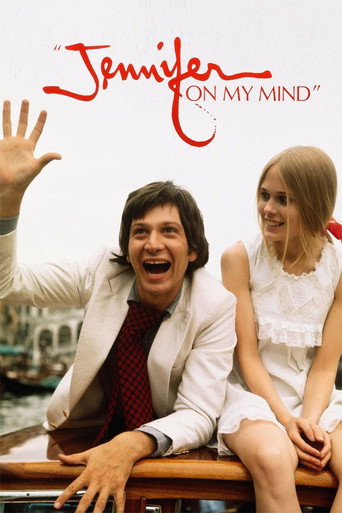
Jennifer on My Mind
Two rich American young adults who meet and fall in love in Venice, Italy. With plenty of money and no real responsibilities or direction in life, the couple begin experimenting with illicit drugs. The movie travels through a series of flashbacks showing their progression from marijuana to harder drugs as a result of their complex romantic entanglement with each other.
Marathon
Started as a class project in what was likely the first filmmaking course ever taught at Harvard, Marathon documents the running of the 1964 Boston Marathon.
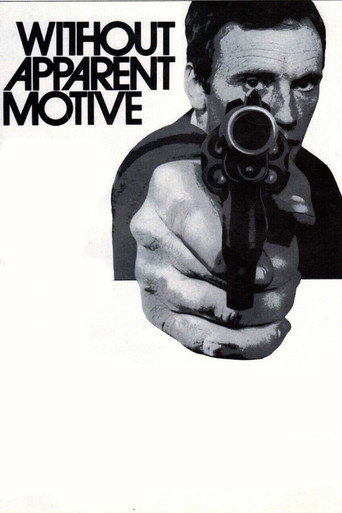
Without Apparent Motive
A series of murders is committed in Nice on the French riviera. The commissaire Carella is in charge and tries to find a missing link between all these murders.
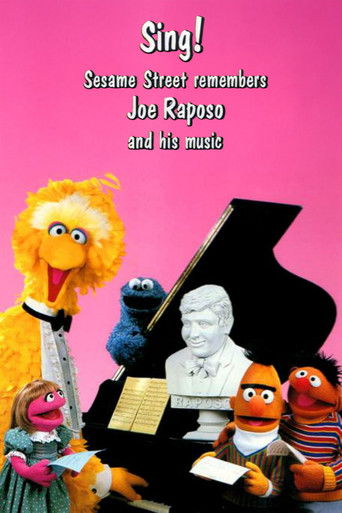
Sing! Sesame Street Remembers Joe Raposo and His Music
A television special broadcast on PBS in honor of composer, songwriter, pianist, television writer and lyricist Joe Raposo after he passed away.
The Ancient Games
A re-creation of the ancient Olympic competition at Delphi.
Production
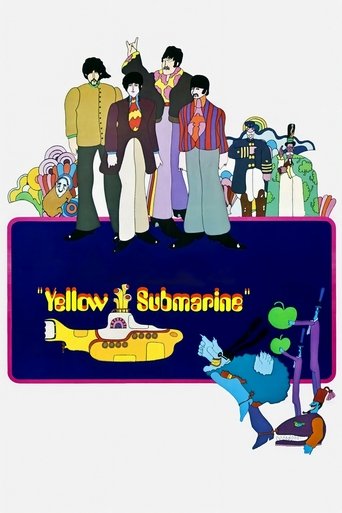
Yellow Submarine
The wicked Blue Meanies take over Pepperland, eliminating all color and music. As the only survivor, the Lord Admiral escapes in the yellow submarine and journeys to Liverpool to enlist the help of the Beatles.
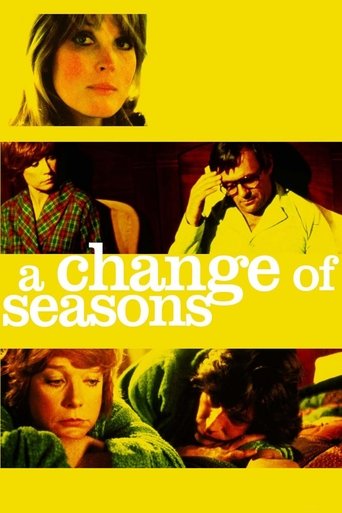
A Change of Seasons
Marriage takes a sour turn when a middle-aged husband falls for a young and sexy woman. Things get even more complicated when his wife starts a hot affair with a younger lover of her own.
A Change of Seasons
Marriage takes a sour turn when a middle-aged husband falls for a young and sexy woman. Things get even more complicated when his wife starts a hot affair with a younger lover of her own.
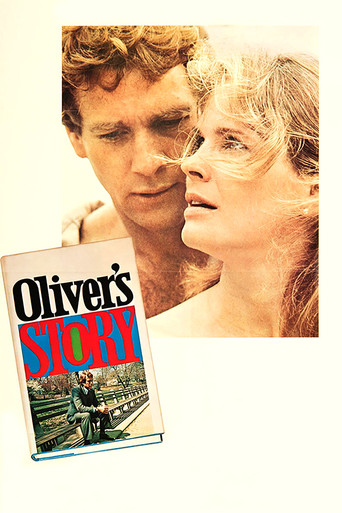
Oliver's Story
Oliver Barrett IV is emotionally devastated by the death of his wife Jenny, and, while he tries to lose himself in his work as a lawyer, the long hours don't ease his pain, especially when he finds that his leftist views conflict with those of the senior partners at the firm. Eventually, Oliver's inconsolable grief begins to alienate those around him, until he finds new love with Marcie Bonwit, the wealthy and beautiful heiress to the Bonwit Teller fortune. Despite his affection for her, Oliver finds it difficult to leave the memory of Jenny behind, which causes major problems in their relationship.
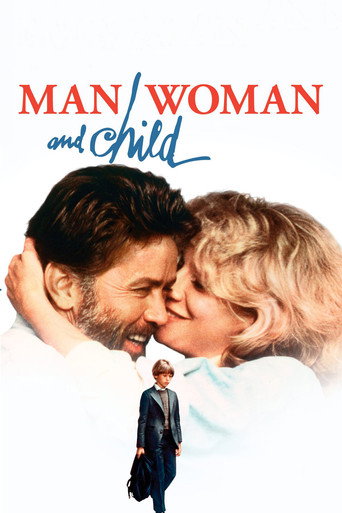
Man, Woman and Child
A California professor (Martin Sheen), his wife (Blythe Danner) and his daughters make room for his orphaned illegitimate French son (Sebastian Dungan).
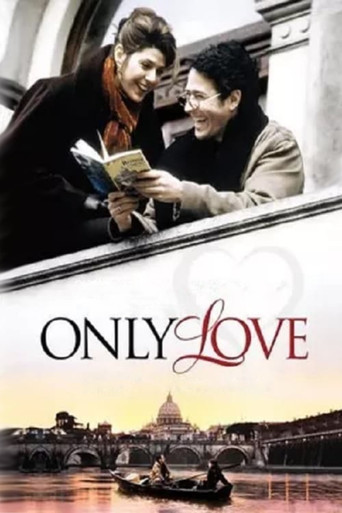
Only Love
Two young lovers whose romantic dreams were shattered, are reunited years later in this sweeping story of fobidden love.

R.P.M.
R.P.M. stands for (political) revolutions per minute. Anthony Quinn plays a liberal college professor at a west coast college during the hedy days of campus activism in the late 1960s. Radical students take over the college, the president resigns, and Quinn's character, who has always been a champion of student activism, is appointed president. As the students continue to push the envelope of revolution, Quinn's character is faced with the challenge of restoring order or abetting the descent into anarchy.
Jennifer on My Mind
Two rich American young adults who meet and fall in love in Venice, Italy. With plenty of money and no real responsibilities or direction in life, the couple begin experimenting with illicit drugs. The movie travels through a series of flashbacks showing their progression from marijuana to harder drugs as a result of their complex romantic entanglement with each other.
Oliver's Story
Oliver Barrett IV is emotionally devastated by the death of his wife Jenny, and, while he tries to lose himself in his work as a lawyer, the long hours don't ease his pain, especially when he finds that his leftist views conflict with those of the senior partners at the firm. Eventually, Oliver's inconsolable grief begins to alienate those around him, until he finds new love with Marcie Bonwit, the wealthy and beautiful heiress to the Bonwit Teller fortune. Despite his affection for her, Oliver finds it difficult to leave the memory of Jenny behind, which causes major problems in their relationship.
Masoom
Teenage friends get excited and confused about sex in their adolescence. However, a lack of proper education and guidance leads them to early childbearing.
Gallery