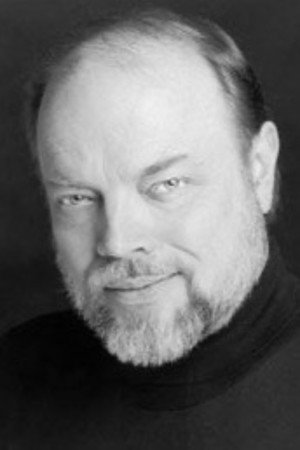
Eric Halfvarson Movies, TV Shows, and Filmography
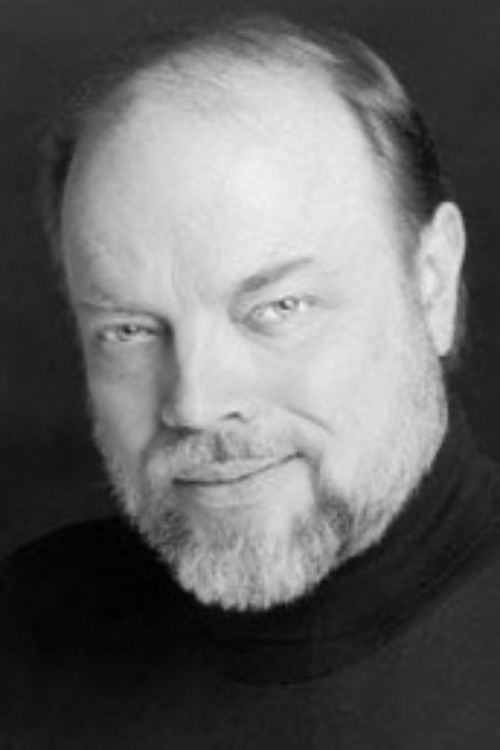
Eric Halfvarson
Acting
Biography
No biography available.
Filmography Movies
Acting
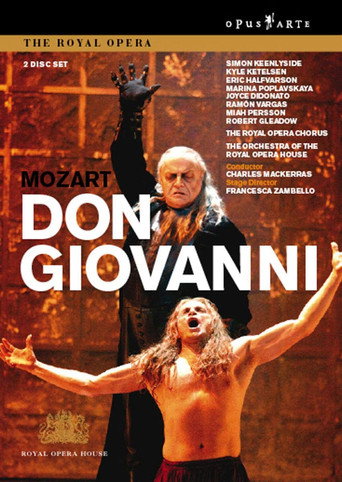
Don Giovanni
DON GIOVANNI is one of the timeless classics of all opera. Mozart’s music, and the words of his great collaborator Da Ponte, are brought to life in Francesca Zambello’s engrossing production with its rich and colourful designs by Maria Bjornson. The music is memorable, dramatic and enjoyable: from the seductive solo voices of the famous ‘La ci darem la mano’ to the fabulous ensemble as Don Giovanni’s infatuated conquests, vengeful victims and their outraged relatives join forces for justice. And retribution does finally come to Don Giovanni, a serial womanizer and a murderer, with the searing flames of Hell ready to engulf him. Simon Keenlyside heads the outstanding cast at the Covent Garden Royal Opera House, conducted by renowned Mozart expert Charles Mackerras.
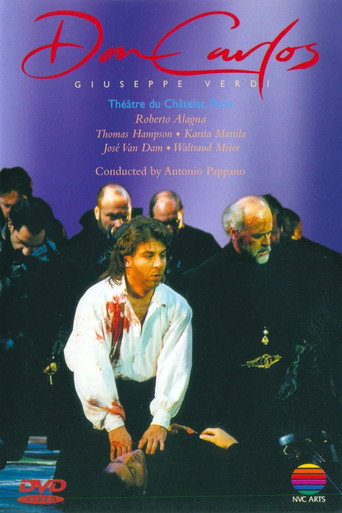
Verdi: Don Carlos
Luc Bondy's 1996 production of Don Carlos was staged, recorded and filmed at the Chatelet in Paris. These seven performances were blessed with an all-star cast, loaded with important singers either starting their careers (Roberto Alagna) or at the height of their dramatic powers (Karita Mattila, Jose Van Dam.)
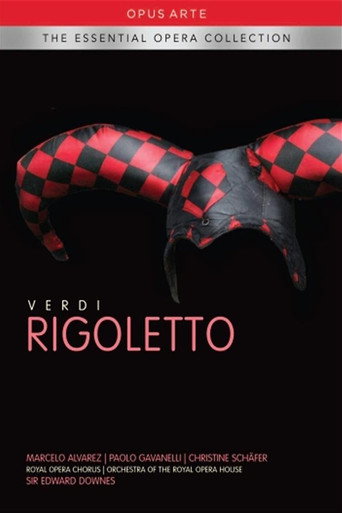
Rigoletto
Live recording at Royal Opera House, 22 September, 2001. Television live relay. In one of the Royal Opera’s most celebrated and popular productions, director David McVicar mixes lavish historical costumes and dark stylized settings to highlight the savagery and excitement of Verdi’s tale of misdirected revenge. Paolo Gavanelli is vocally and theatrically electrifying as the hunchback anti-hero, acclaimed soprano Christine Schäfer is his doomed daughter, and superstar tenor Marcelo Alvarez is her fickle lover. With superb playing from the Orchestra of the Royal Opera House, it adds up to a thrilling Rigoletto for both opera aficionados and newcomers.
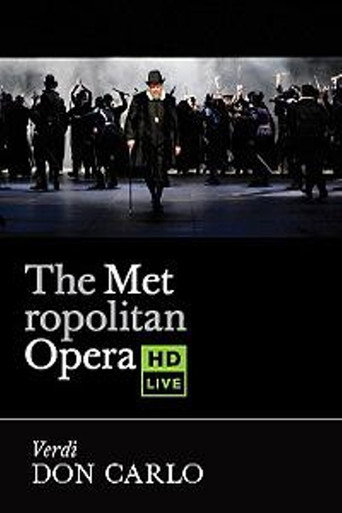
The Metropolitan Opera: Don Carlo
Family jealousy, threat of rebellion, political back-stabbing and the Inquisition weigh heavy on the court of King Phillip II. The tension finally ignites at the King's coronation, where a number of heretics are to be burnt at the stake.
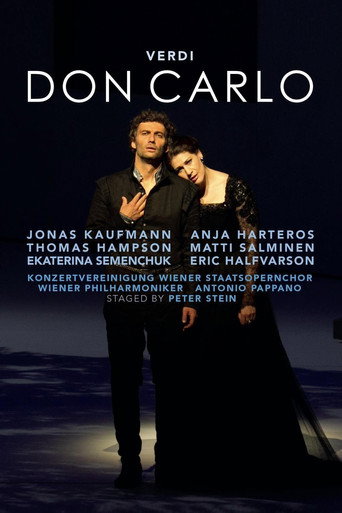
Verdi: Don Carlo
Verdi wrote this five act opera with a French Libretto for the Paris opera. Premiere 1867. Then there are three versions of this opera, the French 1867 version, the revised Italian four Act Don Carlo 1884, plus the Modena version 1886. This version is the 1884 version with Act One reinstated, as well as the original beginning of Act 2. To complicate matters the French opera was simply translated into Italian, and then the changes were made. There is an even newer edition completed in 1980 by Ricordi, and others floating around as well.
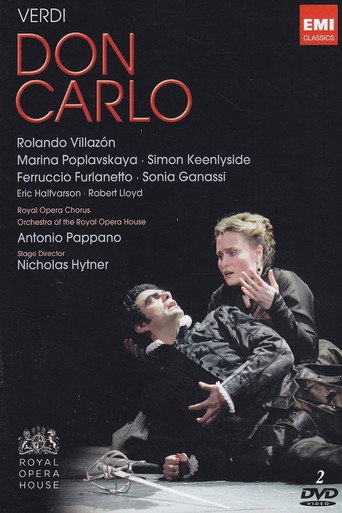
Don Carlo - ROH
Rolando Villazón Triumphantly Returns To The Stage As Don Carlo In The 2007/2008 Royal Opera House'S Producton Of Don Carlo. National Theatre director Nicholas Hytner's new staging of Verdi's grandest-- and arguably greatest -- opera, Don Carlo, was the highlight of the 2007/2008 Royal Opera House season. This new production marked Rolando Villazón's much anticipated and triumphant return. Set amidst the political, religious and sexual intrigue of the 16th century Spanish court, this epic work tells the tragic story of Don Carlo, a virtuous young prince who is pitted against the powers of a dominant, corrupt society. First staged at The Royal Opera House in 1886, this new production is the first new version of the 5-Act complete opera to be staged at Covent Garden in 50 years. With sets and costumes by Bob Crowley, direction by Nicholas Hytner, and an enviable cast, this production of Don Carlo is worthy of the greatness of Verdi's original, masterful work.
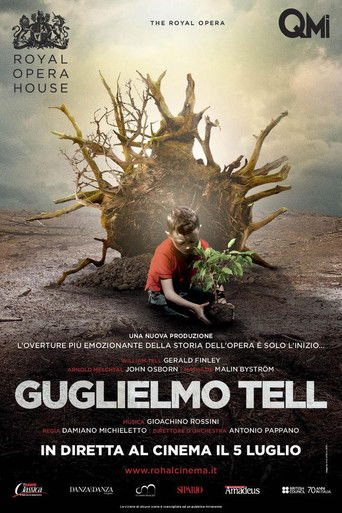
Guillaume Tell
New production. Recorded live at Royal Opera House, July, 05, 2015.
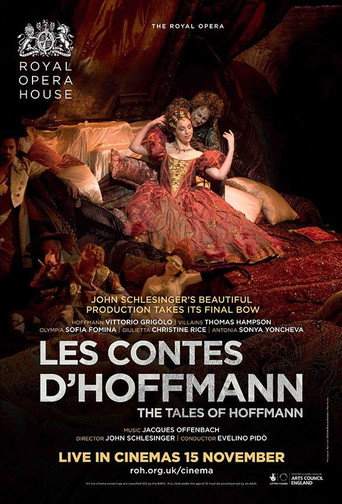
The ROH Live: The Tales of Hoffmann
The great storyteller Hoffmann is losing himself to drink. His rival in love, Councillor Lindorf, claims that Hoffmann knows nothing of the heart, and so goads Hoffmann into telling the tales of his three great loves – each destroyed by a villain who bears an uncanny resemblance to Lindorf… First Hoffmann tells of his infatuation for the mechanical doll, Olympia – who is destroyed by the inventor Coppélius. Next comes the courtesan Giulietta, who throws over his adoration in favour of jewels from the magician Dappertutto. Finally, the gentle Antonia is forced to sing to her death by the wicked Doctor Miracle. His stories finished, Hoffmann rouses from his drunken stupor to find Lindorf has made off with Stella, Hoffmann’s latest love – but the Muse compels him to transform his heartache into art.
The ROH Live: The Tales of Hoffmann
The great storyteller Hoffmann is losing himself to drink. His rival in love, Councillor Lindorf, claims that Hoffmann knows nothing of the heart, and so goads Hoffmann into telling the tales of his three great loves – each destroyed by a villain who bears an uncanny resemblance to Lindorf… First Hoffmann tells of his infatuation for the mechanical doll, Olympia – who is destroyed by the inventor Coppélius. Next comes the courtesan Giulietta, who throws over his adoration in favour of jewels from the magician Dappertutto. Finally, the gentle Antonia is forced to sing to her death by the wicked Doctor Miracle. His stories finished, Hoffmann rouses from his drunken stupor to find Lindorf has made off with Stella, Hoffmann’s latest love – but the Muse compels him to transform his heartache into art.
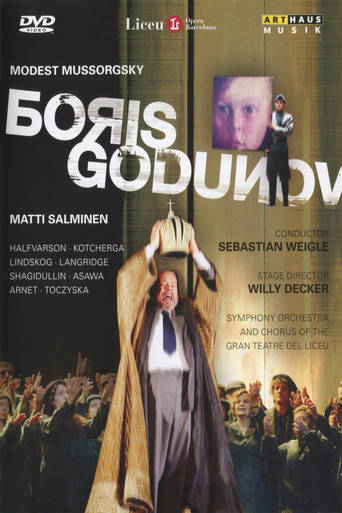
Boris Godunov
The libretto is by Mussorgsky himself and takes the eponymous “romantic tragedy” by the celebrated Russian poet Alexander Pushkin as its starting point. Boris Godunov is Mussorgsky’s masterpiece and his only complete opera. It’s a vast sprawling tapestry of Russian life, which centres on the Russian people – represented in the opera by a large and powerful chorus – rather than on the title figure. The staging was produced at the Gran Teatre del Liceu in Barcelona and is based on the original version of the score.
Gallery