Erasmo Olivera Movies, TV Shows, and Filmography

Erasmo Olivera
Acting
Biography
No biography available.
Filmography Movies
Acting
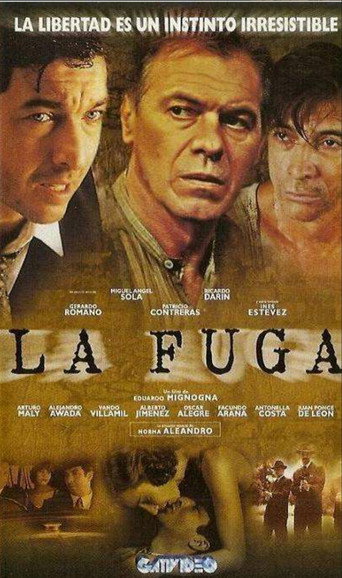
The Escape
In the summer of 1928, several inmates from the National Penitentiary in Buenos Aires managed to escape. The film narrates the fate of each of these runaways in search of their destiny - tough men with their own ethical codes and ready to do anything not to return to prison. Some of them will suffer violent deaths, while others manage de disappear. Sordid and moving stories, not excluding tenderness and love, mercy or horror sealed with a pact of prison love that will remain in the heart of Buenos Aires, as witness of the yearned-for freedom.
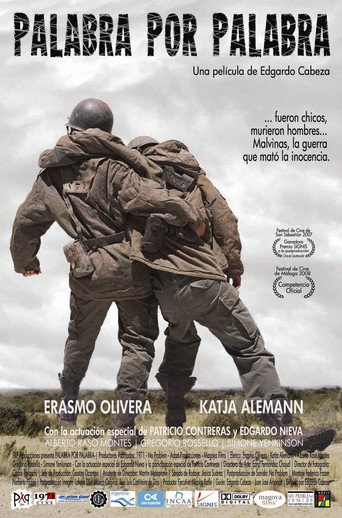
Palabra por palabra
Two soldiers manage to escape from their own front in the Malvinas Islands. Gurí carries a wounded Caíto and they break into a country house where a woman and child live. For a single day, all four characters fall victim to the same horror.
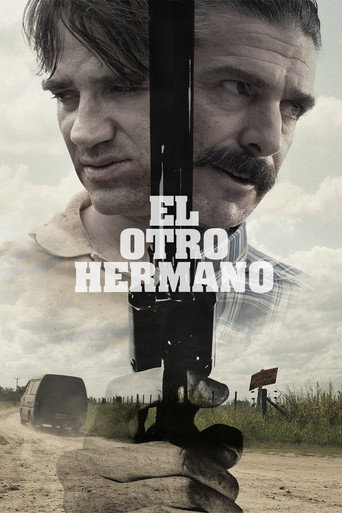
The Lost Brother
Cetarti is drowning in nothingness. With no job or purpose, he spends his days inside watching documentaries on television, until one day he is informed that his mother and brother were gunned down. He travels from Buenos Aires to Lapachito, a decrepit town in the province of Chaco in northern Argentina to deal with their bodies and to get the life insurance money. There he meets Duarte, a sort of boss in the town and a friend of his mother's murderer who also kidnaps people for money. Cetarti's path will lead him to committing illegal acts to get his hands on the insurance money and to his involvement in Duarte's dark dealings, leading to an absurd and unexpected outcome.
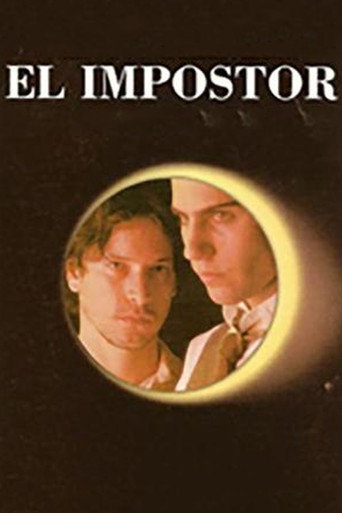
The Impostor
This drama is based on a novel and incomplete screenplay by the late Maria Luis Bemberg. In 1930s Argentina, wealthy Sebastian (Antonio Birabent) leaves his Buenos Aires home for the family estate on the pampas. His family, concerned for his physical and mental health, arranges for Sebastian's childhood friend Juan (Walter Quiroz) to check on Sebastian's situation. Juan finds the highly erratic Sebastian caught in a doomed relationship with the Danish daughter of religious sect members. Unfortunately, Juan also becomes obsessed with the young woman, and Sebastian's suspicions increase.

Rich Kids
Two award-winning advertising creatives throw a party at their mansion and are surprised by a lumpen and his son who try to rob them to pay off their debts with a threatening moneylender
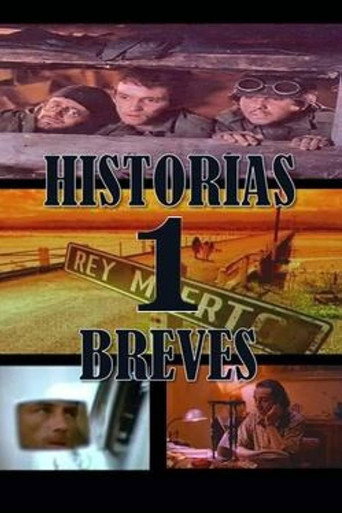
Historias Breves 1
The film brings together the winners of the first edition of the Argentine National Film Board's (INCAA) annual public script competition, the grand prize of which is the budget to produce a short film. Eventually screened in national theaters, the omnibus film gave rise and recognition to a new generation of Argentine filmmakers known collectively as the New Argentine Cinema—a wave of contemporary filmmaking that began in the mid-1990s in reaction to decades of political and economic crises in the country.
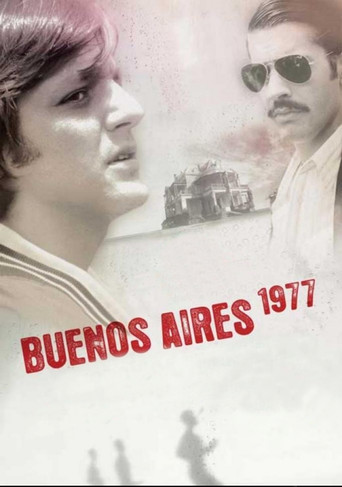
Chronicle of an Escape
The true story of four men who narrowly escaped death at the hands of Argentina's military death squads in 1977. Claudio Tamburrini is a goalie for a minor-league football team when he is abducted by members of the Argentine military police and taken to an unofficial detention center on the false suspicion that he is a terrorist. As he is tortured by intelligence agents looking for information he doesn't have, Tamburrini fully expects to be killed. After many sessions of brutal torture, Tamburrini and his fellow captives Guillermo and Tano are being readied for execution when, in a final desperate act, Tamburrini dives out a window during a rainstorm.
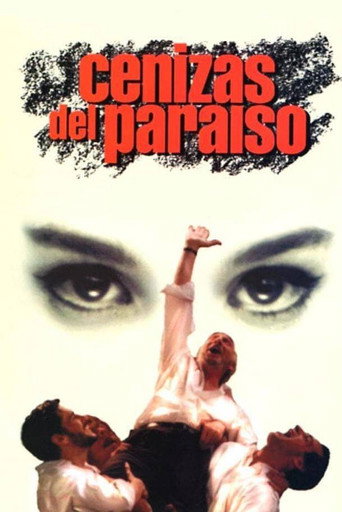
Cenizas del paraíso
A judge falls from the roof of the Federal Courthouse. A woman is murdered. Between them and the three sons of the judge there is a connection that will be investigated by a woman judge who is determined to discover the truth.
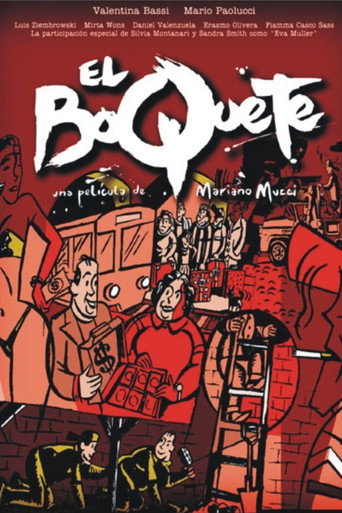
The Gap
After their humble dwelling is destroyed by a fire, a marginalized family occupies an abandoned house. From there, they dig a hole to the vault of a neighboring bank.
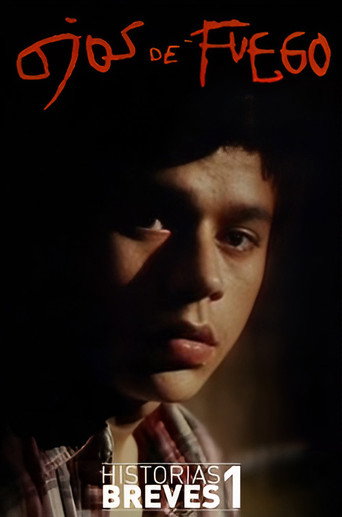
Historias Breves I: Ojos de fuego
The story of a boy who lives in a humble neighborhood and has problems with a police commissioner. The backdrop is the Argentine crisis experienced in the Buenos Aires suburbs, and the first scene portrays the looting of a supermarket. The short was part of "Short Stories I" (1995).
Gallery