Costume & Make-Up
No biography available.
In the heart of Portugal, amid the mountains, the month of August is abuzz with people and activity...
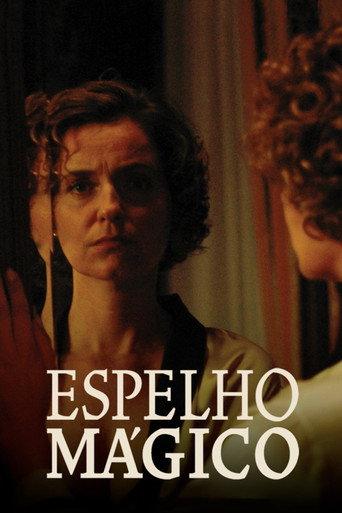
Luciano, fresh out of jail, was taken by his brother, Flórido, to serve in the home of wealthy Alfreda. He was surprised when she told him that her greatest desire was to see the Virgin Mary. Now comes this rich land owner with her sublime pretensions. Isn't it enough for her to have an Aston Martin and a Jaguar in the garage and ten different dresses per season? It was all professor Heschel's fault. Or someone else's. Anyway, to go beyond the promise is heresy. Alfreda said that she wouldn't rest until she saw the Virgin and made her some questions. Filipe Quinta, the Forger, says he has a solution. Meanwhile, Bahia, her husband, listens do music.
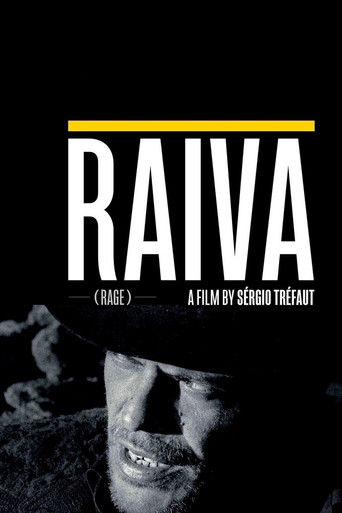
Alentejo, Portugal, 1950. In a desolate region, where the wind seems to speak, where misery and hunger reign over poorest, a desperate man takes his revenge on those who caused his ruin during the darkest night, unable to get honestly the bread needed to feed his family in the daylight.
A serious young man of free spirit is forced by his surroundings to become rich at all costs. A group of blind children tries to open the eyes of the unbelievers to the Christian faith. Retired nuns who open a brothel, to pay the running costs of the convent. These rather ironic paradoxes turn this fairytale into a philosophical fable.
Amina, Djeneba and Zineb are three inseparable teenagers who find themselves in hot water when they post a video on social networks identifying an assailant who attacked one of the three. The video draws a public outcry, and they will have to choose between continuing their fight or giving in to pressure.
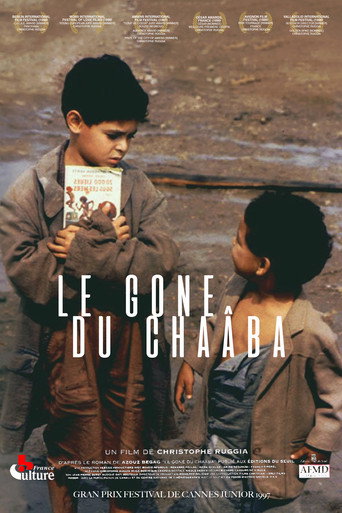
Le Gone du Chaâba (The Kid of the Chaaba), translated into English as Shantytown Kid by Naima Wolf, is an autobiographical novel by Azouz Begag about his life as a young Algerian boy growing up in a shantytown next to Lyon, France, called the Chaâba by its inhabitants. The story covers a period of approximately three years in the life of the protagonist and deals with issues developing from the clash between two cultures, that of France and that of North Africa, as well as the difficulties of finding a cultural identity between the two. The story focuses on the cultural differences between the Arab and French communities, as well as how the two groups react to each other
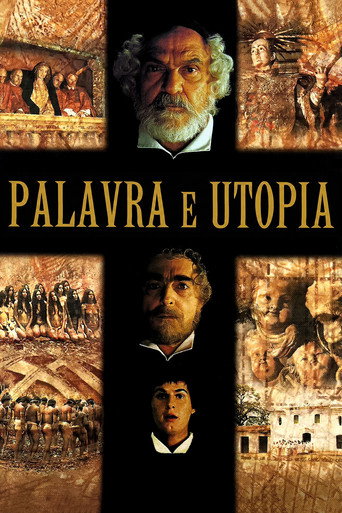
The story of Father Antonio Vieira, a 17th-century Portuguese priest who lived in Brazil and worked for better treatment of the Indians and to abolish slavery.
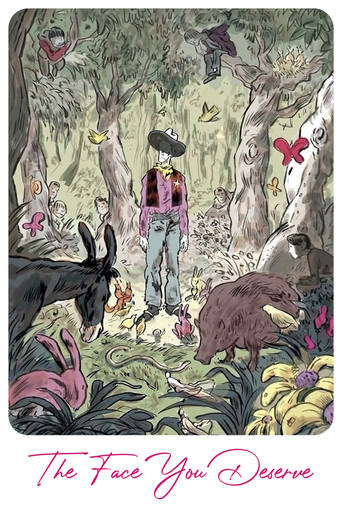
Francisco, behave! I Know it's your birthday, you are thirty now, it's carnival, you've dressed as a cowboy for the school party and you are surrounded by kids you hate. But that's no reason to be so annoying... Francisco, repeat after me: "Up to your 30s you have the face God has given you. After that, you get the face you deserve".
Done in the style of an African folk tale, this film, a collaboration between European and African countries, is said to be among the most elaborate, high tech film in African film. Exquisitely photographed and filled with archetypal figures to create a poetic look at nature's revenge against those who would exploit her. It is set in the forest village of Amanha Lundju, a place where the birth of children is celebrated by the planting of a tree. The trees are considered spiritual twins. But for every tree planted, the rapacious state destroys many more for firewood and lumber.
Arthur is a history teacher who lives alone in Paris after having broken up with Claire. He is a sensitive man, full of existential doubts and questions. He has to go to Lisbon to meet an eminent historian whose work is the subject of his thesis. Having just made up with Claire, he decides to take her along. She's an ideal travel companion and it seems their relationship has not yet exhausted its potential. But moving from Lisbon to Oporto, their fantasy of a second honeymoon clashes with the reality of a world on the verge of a nightmare.
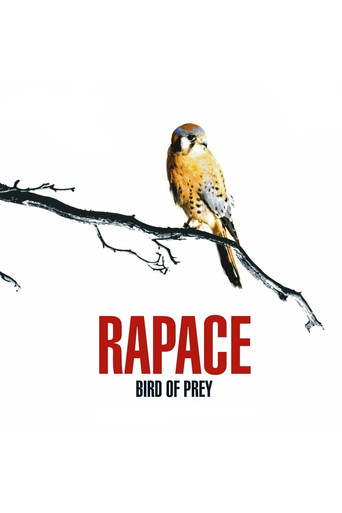
After finishing his MA in Anthropology, Hugo spends his days giving his brain a rest from the endless reading of texts by unknown authors. His only company is Luisa, the cleaning lady, with whom he plays cat and mouse. To escape the sleep of reason – which creates monsters -, Hugo exercises his lyrical vein by writing, with his friend Manuel, songs about their neighbourhood. The quiet dilettantism of our protagonist is shaken by Catarina, a young and beautiful translator who’s starting her professional life as a freelancer. Hugo is hooked and wavers. High above, a kestrel falcon hovers. It’s not the only bird of prey that can do it.