Emmanuelle Castro Movies, TV Shows, and Filmography
Emmanuelle Castro
Editing
Biography
No biography available.
Filmography Movies
Production
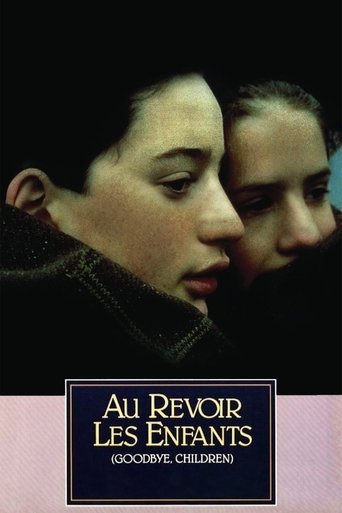
Au Revoir les Enfants
Au revoir les enfants tells a heartbreaking story of friendship and devastating loss concerning two boys living in Nazi-occupied France. At a provincial Catholic boarding school, the precocious youths enjoy true camaraderie—until a secret is revealed. Based on events from writer-director Malle’s own childhood, the film is a subtle, precisely observed tale of courage, cowardice, and tragic awakening.
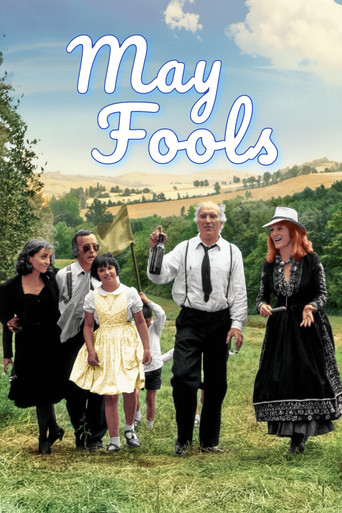
May Fools
During the events of May 1968 in France, different worldviews of conflicting relatives collide in their family estate.
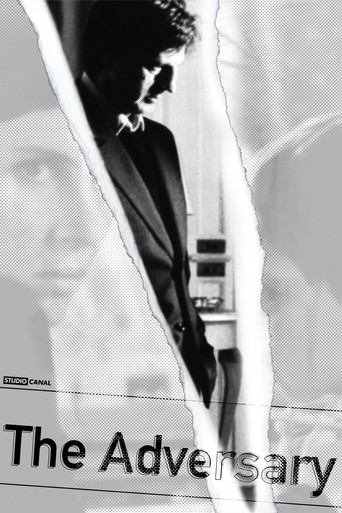
The Adversary
Based on the 2000 book of the same name by Emmanuel Carrère, it is inspired by the real-life story of Jean-Claude Romand. L'Adversaire's protagonist Jean-Marc Faure (Auteuil) pursues an imaginary career as a doctor of medicine in a plot more closely based on Romand's life and Carrère's book than was Laurent Cantet's 2001 film L'Emploi du Temps. The film was nominated for a Palme d'Or at the 2002 Cannes Film Festival.

Cold Showers
Mickael's family is struggling (they don't have enough money to pay for hot water) however his life is full with Judo and his girlfriend Venessa. Then Mickael makes a decision to open up his relationship to include Clement his rich-kid Judo partner, starting a chain of events.
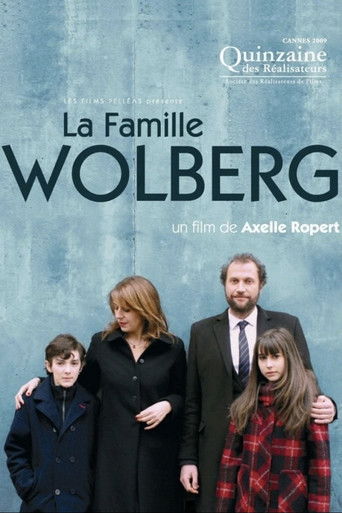
The Wolberg Family
He can deliver a breathtaking speech on the American soul to flabbergasted schoolboys, get mixed up in the private lives of his citizens, and even get his 18-year-old daughter to swear that never, but never, would she leave home. Meet Simon Wolberg, mayor of a small provincial city, madly in love with his wife, an interfering father and provocative son. This man is driven by an obsession with his family. Which leads him to test the force and fragility of these bonds.
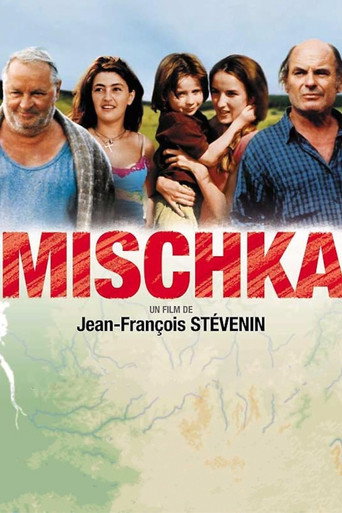
Mischka
An old man in dressing gown and slippers is abandoned by his family on an area of highway while on vacation. He later finds himself in a hospital where a nurse, Gégène, calls him Mischka.
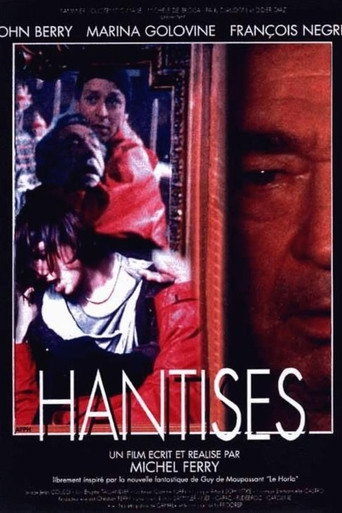
Hantises
While hiking in the countryside near a coastal town in Normandy, two young lovers have a spat and separate. The woman is run down by a ghostly Land Rover and disappears. Meanwhile, her beau comes to a big old house where he is taken in by an old and lonely man. It doesn't take long for the young man to realize that his host is wacko and terrified of dying and is willing to take extreme measures to prevent this from happening. Though billed as a thriller, director Michael Ferry chose to focus on the inner thoughts and fears of the protagonists rather than exciting action sequences. All of the violence occurs off screen.

Family Jewels
The head of an aristocratic family died, so everyone gather to mourn him and see who gets what from his estate. Greed, lust, love and class conflict between the family and their payed servants create a real mess rather quickly.
Train de nuit
The man is seated in the compartment. Alone, he speaks to Lise through his memory. He goes towards the sea. It’s the goal of the travel. There in this big house with a view on the waves, despite Lise not being there, despite her death, he sees her, he is with her.

Nathalie...
Paris doctor Catherine starts to think her husband, Bernard, is having an affair when she hears an unfamiliar woman's message on his voice mail. Hoping to learn more about his extramarital activities, Catherine heads to a strip club, where she hires call girl Nathalie to have a fling with Gerard. As the affair progresses, Nathalie gives Catherine regular status reports, and the relationship between the women evolves from business to personal.