Emma Calder Movies, TV Shows, and Filmography
Emma Calder
Directing
Biography
No biography available.
Filmography Movies
Acting
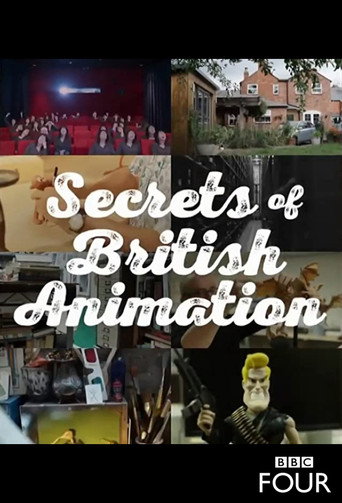
Secrets of British Animation
BBC Four’s new documentary takes us on a journey through more than a century of animation. It examines the creative and technical inventiveness of some of the great animation pioneers who have worked in Britain – trailblazing talents such as Len Lye, John Halas and Joy Batchelor, Joanna Quinn, and Bristol’s world-conquering Aardman Animations.
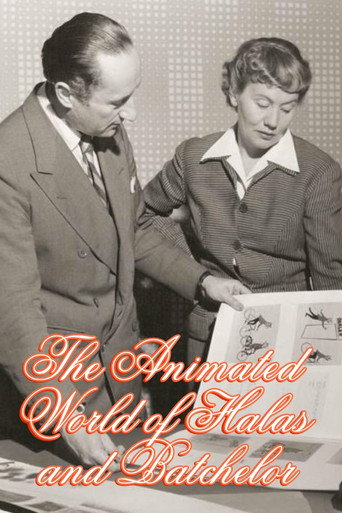
The Animated World of Halas and Batchelor
The story of married animators, John Halas and Joy Batchelor. A Jewish emigre from Hungary and a working class woman from Watford, England, John and Joy fell in love, created cartoons that helped the allies to win the war, and produced the first feature-length animation in British cinema history, Animal Farm (1954).
Production
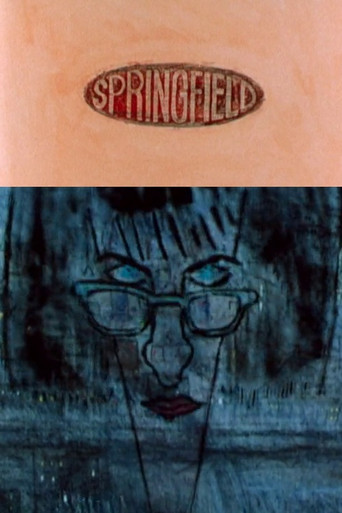
Springfield
A range of drawing techniques are used to explore themes of domestic alienation and romantic fantasy about housewives, hoovering, bingo halls and a cat. The film's idiosyncratic humour increases the impact of a film 'ultimately... about coming to terms with obsession, desperation and personal fear'.
Springfield
A range of drawing techniques are used to explore themes of domestic alienation and romantic fantasy about housewives, hoovering, bingo halls and a cat. The film's idiosyncratic humour increases the impact of a film 'ultimately... about coming to terms with obsession, desperation and personal fear'.
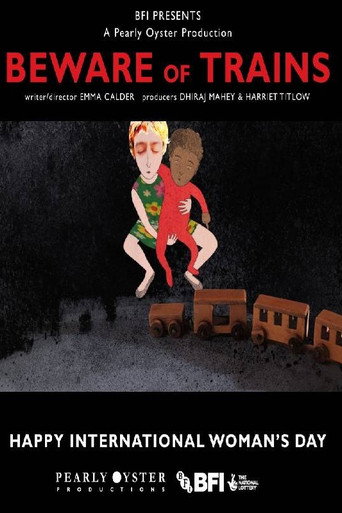
Beware of Trains
A woman with extreme anxiety is devoured by four major preoccupations - the man she met by chance on a train, her dying father, her daughter's safety, and the murder she dreams she has committed.
Boudica: A Norfolk Story
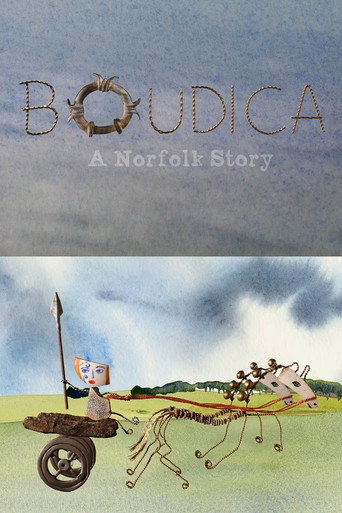
Despite a gap of nearly two thousand years, Boudica remains at the forefront of the public imagination. Her story has been passed down the generations from the original writings of the Romans and she has been continually reinvented to serve as a woman of our age. Set against beautiful watercolours of Norfolk, Emma Calder's film looks at Boudica the woman, what motivated her to keep her freedom and what her story means to us now, that we know so much more about her and her people from recent archaeology. The film shows Boudica and the Iceni tribe and their rebellion against the Romans in first century Britain. The film contrasts the worlds of the indigenous people and their Roman Invaders. In Boudica A Norfolk Story, The film contains all the key ideas about this very interesting period in British history whilst being attractive, playful and engaging for all ages.
Boudica: A Norfolk Story
Despite a gap of nearly two thousand years, Boudica remains at the forefront of the public imagination. Her story has been passed down the generations from the original writings of the Romans and she has been continually reinvented to serve as a woman of our age. Set against beautiful watercolours of Norfolk, Emma Calder's film looks at Boudica the woman, what motivated her to keep her freedom and what her story means to us now, that we know so much more about her and her people from recent archaeology. The film shows Boudica and the Iceni tribe and their rebellion against the Romans in first century Britain. The film contrasts the worlds of the indigenous people and their Roman Invaders. In Boudica A Norfolk Story, The film contains all the key ideas about this very interesting period in British history whilst being attractive, playful and engaging for all ages.
Boudica: A Norfolk Story
Despite a gap of nearly two thousand years, Boudica remains at the forefront of the public imagination. Her story has been passed down the generations from the original writings of the Romans and she has been continually reinvented to serve as a woman of our age. Set against beautiful watercolours of Norfolk, Emma Calder's film looks at Boudica the woman, what motivated her to keep her freedom and what her story means to us now, that we know so much more about her and her people from recent archaeology. The film shows Boudica and the Iceni tribe and their rebellion against the Romans in first century Britain. The film contrasts the worlds of the indigenous people and their Roman Invaders. In Boudica A Norfolk Story, The film contains all the key ideas about this very interesting period in British history whilst being attractive, playful and engaging for all ages.
Boudica: A Norfolk Story
Despite a gap of nearly two thousand years, Boudica remains at the forefront of the public imagination. Her story has been passed down the generations from the original writings of the Romans and she has been continually reinvented to serve as a woman of our age. Set against beautiful watercolours of Norfolk, Emma Calder's film looks at Boudica the woman, what motivated her to keep her freedom and what her story means to us now, that we know so much more about her and her people from recent archaeology. The film shows Boudica and the Iceni tribe and their rebellion against the Romans in first century Britain. The film contrasts the worlds of the indigenous people and their Roman Invaders. In Boudica A Norfolk Story, The film contains all the key ideas about this very interesting period in British history whilst being attractive, playful and engaging for all ages.
Boudica: A Norfolk Story
Despite a gap of nearly two thousand years, Boudica remains at the forefront of the public imagination. Her story has been passed down the generations from the original writings of the Romans and she has been continually reinvented to serve as a woman of our age. Set against beautiful watercolours of Norfolk, Emma Calder's film looks at Boudica the woman, what motivated her to keep her freedom and what her story means to us now, that we know so much more about her and her people from recent archaeology. The film shows Boudica and the Iceni tribe and their rebellion against the Romans in first century Britain. The film contrasts the worlds of the indigenous people and their Roman Invaders. In Boudica A Norfolk Story, The film contains all the key ideas about this very interesting period in British history whilst being attractive, playful and engaging for all ages.
Madame Potatoe
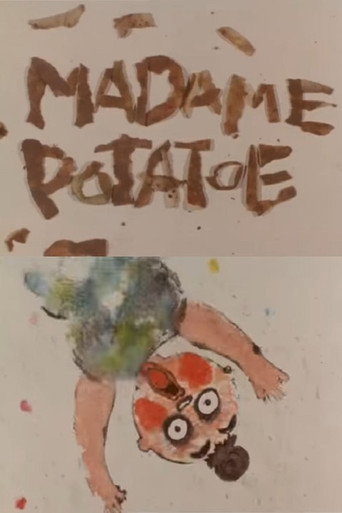
A film about the pressure which society puts upon people to project different images, particularly the image of success. Through the medium of potato printing the film shows how Madame Potatoe struggles to cope within the world in which she is placed. She retreats into the earth leaving her image to continue along its own increasingly exploitative path. Madame Potatoe was first shown as part of Emma Calder's MA show at the RCA, which comprised a life-sized, motorised Madame Potatoe eating crisps and watching the film on telly. She was sat in a room papered with Madame Potatoe print wall paper. Shown at the Tate Gallery, animation festivals, CH4 TV and world wide TV. Madame Potatoe print bought by the V&A for the prints and drawings collection. Many press clippings and associated articles are available.
Boudica: A Norfolk Story
Despite a gap of nearly two thousand years, Boudica remains at the forefront of the public imagination. Her story has been passed down the generations from the original writings of the Romans and she has been continually reinvented to serve as a woman of our age. Set against beautiful watercolours of Norfolk, Emma Calder's film looks at Boudica the woman, what motivated her to keep her freedom and what her story means to us now, that we know so much more about her and her people from recent archaeology. The film shows Boudica and the Iceni tribe and their rebellion against the Romans in first century Britain. The film contrasts the worlds of the indigenous people and their Roman Invaders. In Boudica A Norfolk Story, The film contains all the key ideas about this very interesting period in British history whilst being attractive, playful and engaging for all ages.