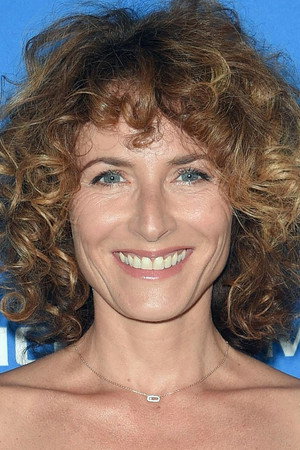
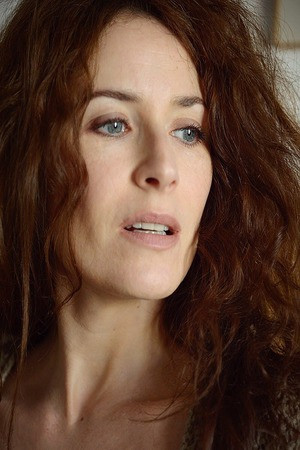
Elsa Lunghini Movies, TV Shows, and Filmography

Elsa Lunghini
Acting
Biography
Elsa Lunghini, stage name Elsa (born 20 May 1973), is a French singer and actress. She was a teenage pop-star in the late-1980s. In 1986, she was the youngest singer to reach number one in the French charts, with the single "T'en va pas", and she went on to sell millions of records during the decade. Elsa, her album of 1988, had achieved double-platinum status by 1993. Daughter of George Lunghini (actor, photographer and songwriter) and Christiane Jobert (painter and also sister of actress Marlène Jobert and Charles Jobert, a camera operator and director of photography), she is of Italian origin on her father's side, and of Sephardic Jewish origin on her mother's side. She is a cousin of actresses Eva Green and Josephine Jobert. Lunghini first performed in a movie at age seven, in 1981, in Claude Miller's Garde à vue (also starring Romy Schneider). She was the youngest artist to be in the main program at the Olympia (Paris), at 17, in October 1990 as well as the youngest to have a number 1 hit in the Top 50 in France. At 13, in 1986, she remained number 1 for eight weeks with "T'en va pas" (soundtrack of the movie La Femme de ma vie). The song was composed by the Italian Romano Musumarra, who had worked and helped produce hits for 1980s singer Jeanne Mas. The song was a hit in France and sold elsewhere in Europe with an English recording. With the help of her musician father, she recorded her LP Elsa. It sold more than 600,000 copies with hit singles such as "Quelque chose dans mon cœur" ("Something in my heart"), "Jour de neige" ("Snowing day"), "Jamais nous" (with backing vocals by French singer Laurent Voulzy) ("Never us"), "Un Roman d'amitié" (duet with Glenn Medeiros) ("Friend you give me a Reason"), "À la même heure dans deux ans" ("At the same time in two years"). All were top 10 hits. At that time, Lunghini was the only artist to have her first four singles at number one or two. She became popular in the teen press, often compared with Vanessa Paradis. In 1990, she made her second album, Rien que pour ça ("Only for that"). The songs were produced by her father and Elsa wrote the music for the single of the same name. "Rien que pour ça" was a top 20 hit. Two other excerpts were released: "Pleure doucement" ("Cry softly") and "Qu'est-ce que ça peut lui faire" ("How does she matter"). In 1992, Lunghini recorded "Bouscule-moi" ("Push me on"), a mid-rock single with more adult lyrics. "Bouscule-moi" was a hit single. Her third album was Douce violence ("Sweet violence"). In 1996, aged 23, she wrote and composed her fourth album, Chaque jour est un long chemin (Every day is a long way). It sold 20,000. From 20 to 24 September 2004, she gave shows in Paris at the Européen. A live DVD and a live CD went on sale in 2006. She has starred in two TV movies: 2002's La mort est rousse and 2004's Trois jours en juin and is involved in a television advertising campaign for Danone yoghurt. Source: Article "Elsa Lunghini" from Wikipedia in English, licensed under CC-BY-SA.
Filmography Movies
Acting
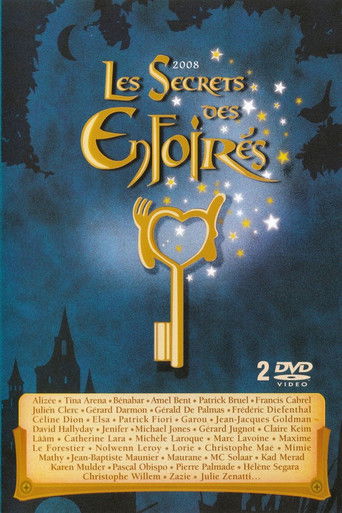
Les Enfoirés 2008 - Les secrets des Enfoirés
"Les Secrets des Enfoirés" (2008) was a charity show recorded at the Zénith de Strasbourg. The show featured numerous celebrities, including artists and athletes. They performed seven concerts to raise money for the Restos du Cœur. The show included colorful performances and songs centered around the theme of secrets.
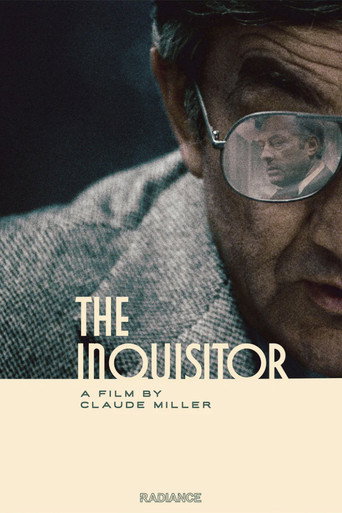
The Inquisitor
Martinaud, an illustrious notary suspected of being the perpetrator of two horrendous crimes, voluntarily agrees to be questioned by Inspector Gallien on New Year's Eve. What initially is a routine procedure, soon becomes a harsh interrogation that seems to confirm the initial suspicions.
Les Enfoirés - Les Enfoirés en chœur de 1985 à aujourd'hui
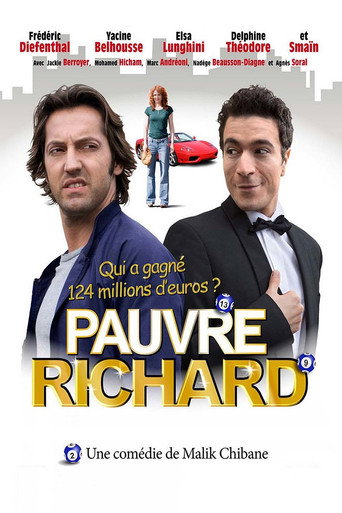
Poor Richard!
It is in a small popular district that the pot of the Eurogagnant, 124 million euros, is won - But who is the lucky winner?
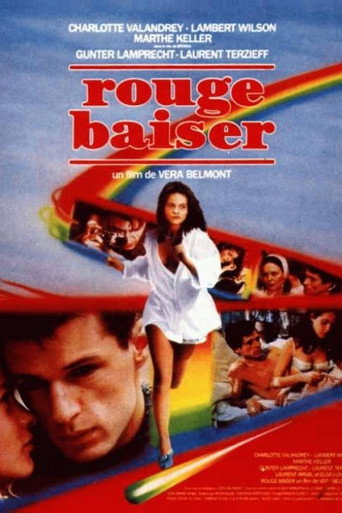
Red Kiss
1952, Paris. Nadia, a Red Diaper baby, has a sister, Polish parents, and at 15 is an active Communist. When cops beat her during an anti-American demonstration, she's rescued by a "Match" photographer. As the friendship becomes a love affair and her slogans are tested by new knowledge and emotion, some of the Red youth want to expel her. When she goes with Stéphane to a seaside photo shoot, her father goes to the police. Stéphane faces charges, so leaving to cover the war in Indochina looks appealing. In a parallel story, Nadia's mother meets again her prewar lover, released from Siberia, who challenges the French Reds with very real scars and word of Stalin's anti-Semitism.
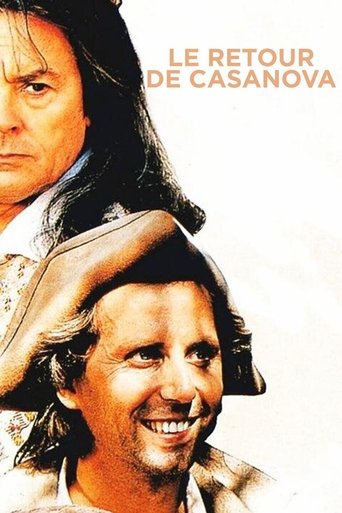
The Return of Casanova
After many years of rambling across Europe the aging Giacomo Casanova is impoverished. He wants to return to the Republic of Venice but he doesn't dare going there directly because he was a fugitive when he left. While he tries to find a way to get a pardon he meets a young lady named Marcelina. The more he shows his affection, the more ostentatiously she rejects him. Even so he doesn't give up on her because her lover Lorenzo has grave gaming debts. In return for the required money Lorenzo tells Casanova about a looming secret rendezvous with Marcelina. Moreover he lets Casanova take his place. Undercover of the night Casanova finally seduces her. Lorenzo later feels his honor was besmirched and demands satisfaction. Casanova kills him in a duel and then goes home to Venice.
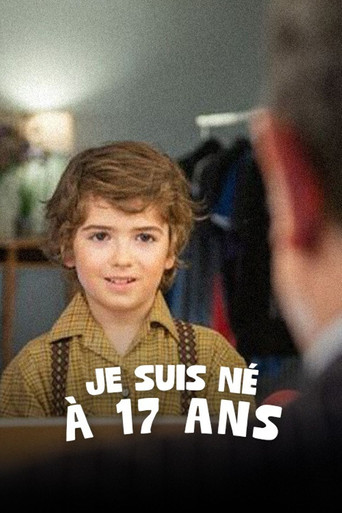
Je suis né à 17 ans
Thierry is a former battered child, who has managed to build himself up despite the violence he has suffered. But the childhood traumas are still present, generating anguish and a perpetual lack of self-confidence. The announcement of the imminent death of the guilty father of the brutalities, and with whom Thierry broke all relation, sounds the hour of the accounts. The moment has come for him to put his memory and his feelings in order.
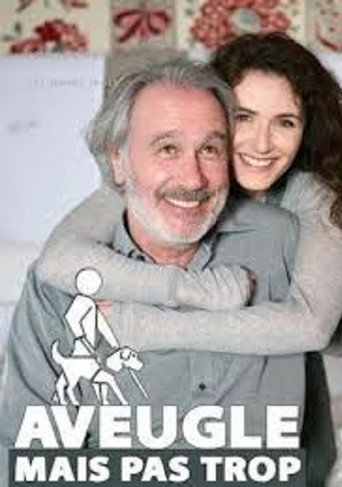
Aveugle mais pas trop
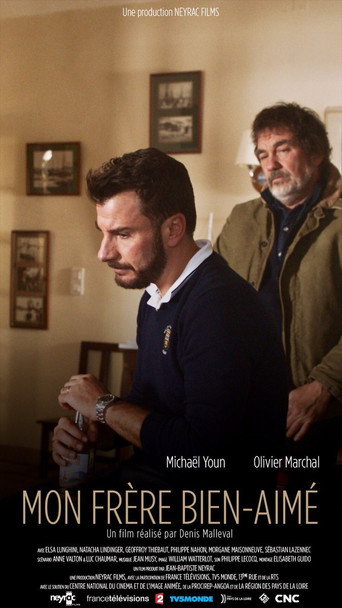
Mon frère bien-aimé
Gallery