Želimir Žilnik Movies, TV Shows, and Filmography
Želimir Žilnik
Directing
Biography
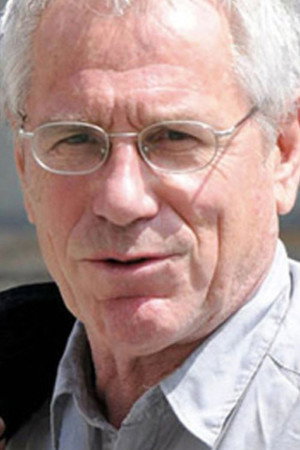
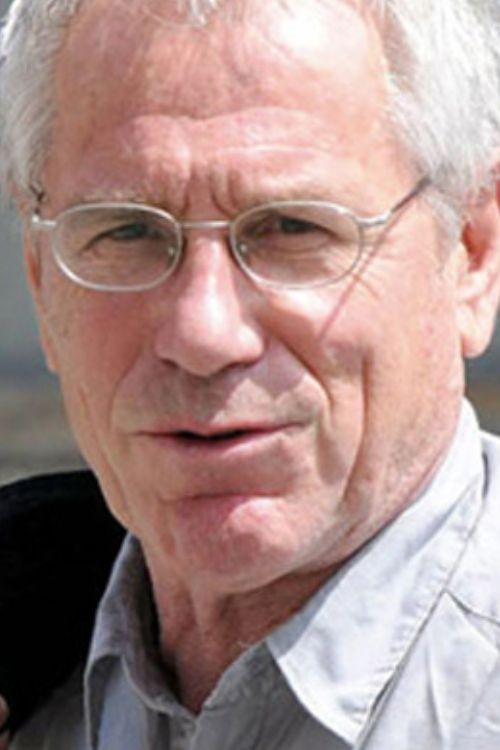
Želimir Žilnik is a Serbian film director and one of the major figures of the Yugoslav Black Wave. He is noted for his socially engaging style and criticism of censorship that was commonplace during the Yugoslav communist era. Subsequently, following the abolition of communist one-party system, he was an outspoken critic of Slobodan Milošević-led regime in Serbia.
Filmography Movies
Acting
Ideal 68
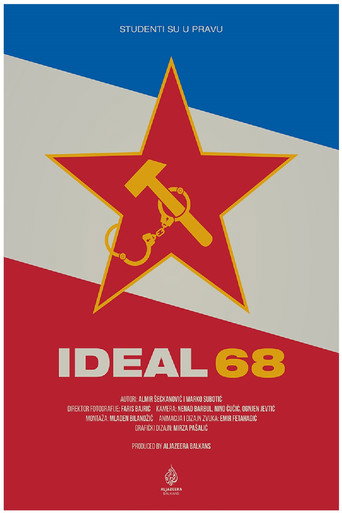
On June 3, 1968, student protests began in the Socialist Federal Republic of Yugoslavia, the first major conflict with the then communist establishment. In Belgrade, Sarajevo, Zagreb and Ljubljana, students demanded more socialism, the fight against corruption and a better state.
ŽŽŽ: Journal About Želimir Žilnik
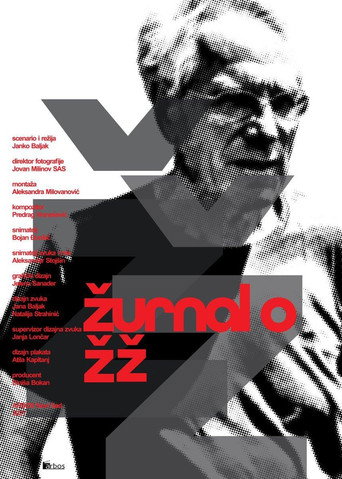
Road movie documentary through half a century of filmography by Želimir Žilnik. But also a journey through the history of Yugoslavia, a country that no longer exists. With the specific style of docudrama that he built over the years, Zilnik managed to stay engaged and brave, but above all free, by making low-budget films for decades. We follow the efforts of his team to finish the film "Freedom or Comics", which was seized by censorship 50 years ago, and which was recently accidentally found. The story of an uninterrupted struggle for disenfranchised social and minority groups who are constantly the main heroes of Žilnik's films.
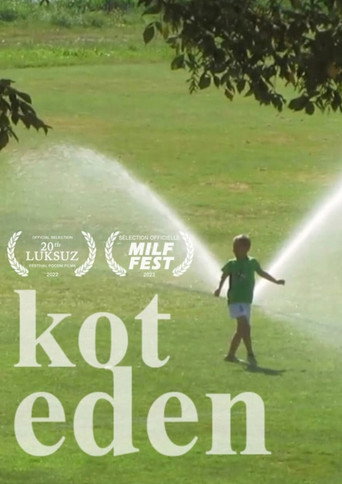
As One
Two young men from Eastern Europe take a pilgrimage to Santiago, Spain. Upon arrival at one of the most northwestern points of Europe, the south-easterners find themselves foreign both to the identity of their surroundings, as well as to their own. Without realizing it, they embark on a pilgrim-esque exploration of their own identities and the religiously-spiritual and nationally-sexual differences between them.
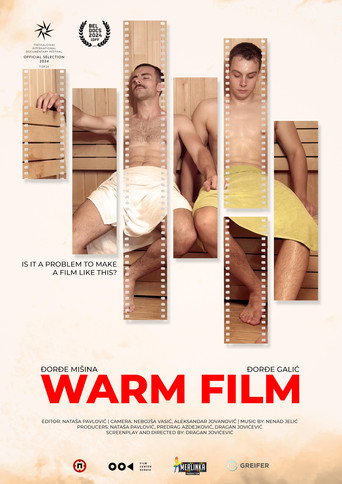
Warm Film
Two young actors are exploring the topic of representation of LGBTI people through the history of Yugoslav cinema and social circumstances that have resulted in different treatment of these characters.
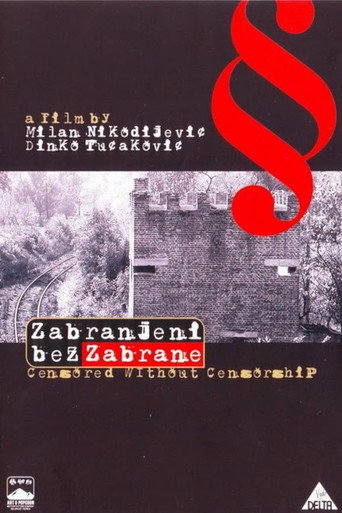
Censored without Censorship
Through the conversation with Yugoslav film authors and excerpts from their films, this documentary film tells a story of a film phenomenon and censorship, and its focus is, in fact, a painful epoch of Yugoslav film called “a Black Wave”, which was the most important and artistically strongest period of Yugoslav film industry, created in the sixties and buried in the early seventies by means of ideological and political decisions. The film tells a great “thriller” story of the ideological madness which characterised the totalitarian psychology having left multiple consequences felt up to our very days. It stresses similarities between totalitarian regimes defending their taboos on the example of the persecution of the most important Yugoslav film authors. Those film authors have, however, made world careers and inspired many later authors. The film is the beginning of a debt pay-off to the most significant Yugoslav film authors.
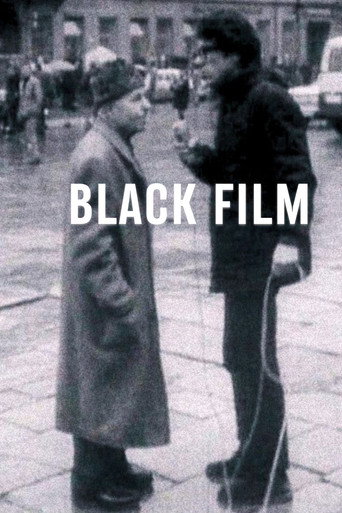
Black Film
Director invites six homeless men to his flat for a few days (surprising his wife). He asks officials and people on the street if someone can help them, this being SFRJ, a state officially without those left on their own.
The Other Line
Druga linija aka The Other Line is a product of many years of research of neo-avant-garde cultural and art scene in Novi Sad, Serbia (late 60s and 70s), which has been marginalized until today. This artistic movement was directly connected not only with important art centers of the former Yugoslavia, but also with existing flows of world art during its brief and productive activities (7e Biennale de Paris, 19th Berlinale). The cultural and artistic emancipation of that time had implied individual freedom of expression and strong reaction to established boundaries. This avant-garde movement had become threat to communist establishment, the authors' work were sabotaged, the films were sealed off, five artists were taken to trial, two were sent in prison. How is it that the retrograde mechanism of shutting down and removing the most creative and representative progressive impulses of our surrounding is still so current to this day?

Taiwan Canasta
A frustrated and unemployed architect experiences flashbacks of his youth and 1968 protests while the life passes by. Unable to adapt and to accept the reality, he’s constantly getting into conflicts with the people around him.
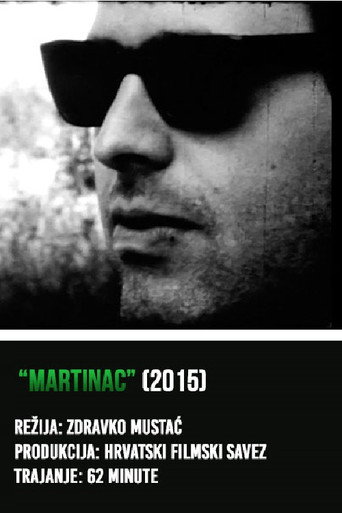
Martinac
Documentary about the life and work of Ivan Martinac (1938-2005), avant-garde & experimentalist filmmaker from Split, Croatia.
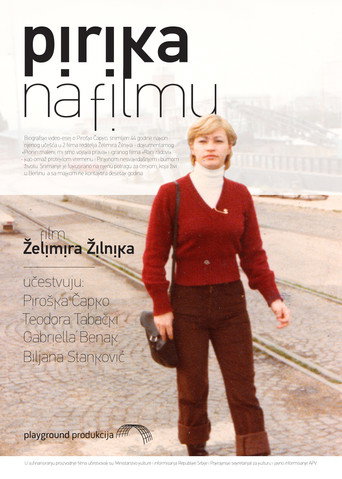
Pirika on Film
Pirika travels to Berlin to visit her daughter Dobrila and her grandchildren, whom she's never seen. Dobrila, a lesbian, avoids her mother, however, because she doesn't want to tell her the full truth about her children. Everything is resolved at a German film retrospective, where Pirika plays the role of her life. A docudrama about the autumn of life of one of the leading protagonists of Zilnik's film Early Works.
Production
House Orders
In buildings where foreign workers lived in Germany, there were strict rules of conduct, defined by the house rules and supervised by the building superintendents. Many rights regarding the freedom of movement, communication and behavior were abused. Interviews with the tenants and with the "orderlies" which point out absurd situations and clashes caused by these restrictions.
Under the Protection of the State
The film was shot in an old, decrepit building where dozens of guest-workers' families live. The owner, a local influential politician, has avoided paying for the maintenance of the building under the legal standards by using his connections to proclaim the building a national cultural heritage. However, the rent he has been charging was as if the building were an object that offered standard comfort. The only German tenant takes the crew around and speaks of his battle against the landlord’s manipulation.
House Orders
In buildings where foreign workers lived in Germany, there were strict rules of conduct, defined by the house rules and supervised by the building superintendents. Many rights regarding the freedom of movement, communication and behavior were abused. Interviews with the tenants and with the "orderlies" which point out absurd situations and clashes caused by these restrictions.
Under the Protection of the State
The film was shot in an old, decrepit building where dozens of guest-workers' families live. The owner, a local influential politician, has avoided paying for the maintenance of the building under the legal standards by using his connections to proclaim the building a national cultural heritage. However, the rent he has been charging was as if the building were an object that offered standard comfort. The only German tenant takes the crew around and speaks of his battle against the landlord’s manipulation.
Hot Paychecks
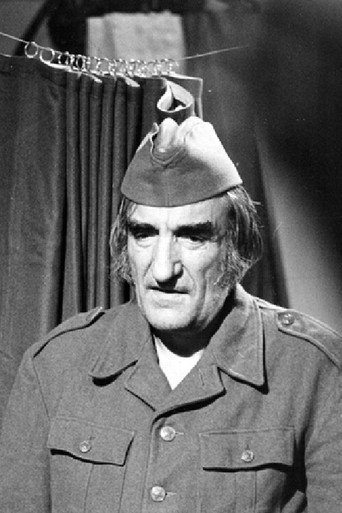
Zilnik's 102 minutes long TV series is about a couple of guys, one good and naive, the other liar and manipulator, trying to make a living the best they can...Along the way they meet a guy who eats glass, metal and plates, then a couple of strippers, and a lot of ordinary people. Zilnik's dry realistic approach is filled with humour and documentary parts with some real peasants and working-class people.
Request
A construction site with foreign workforce – lunch break. A Greek man tries to write a request letter to the German authorities to allow his parents to stay in Germany because of the Greek-Turkish clashes on Cyprus. A German foreman helps him write the appeal. Upon saying that the reason for summoning his parents is that their lives are threatened by the Turks, other bricklayers join in and a row takes place. During the row the letter is torn, lunch break is over and the bricklayers go on laying bricks.
Farewell
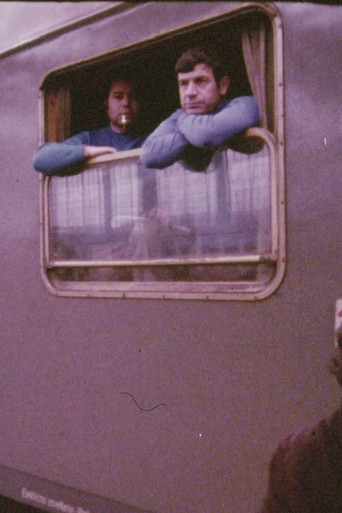
At Munich’s central station, after years spent working in factories in several German cities, a worker from Serbia boards a train and heads south, to Belgrade. The protagonist recollects his impressions of the cities and the state he worked in, speaks of new insights and habits he acquired and thus says goodbye to Germany: Auf Wiedersehen, Deutschland!
Request
A construction site with foreign workforce – lunch break. A Greek man tries to write a request letter to the German authorities to allow his parents to stay in Germany because of the Greek-Turkish clashes on Cyprus. A German foreman helps him write the appeal. Upon saying that the reason for summoning his parents is that their lives are threatened by the Turks, other bricklayers join in and a row takes place. During the row the letter is torn, lunch break is over and the bricklayers go on laying bricks.
The Old School of Capitalism
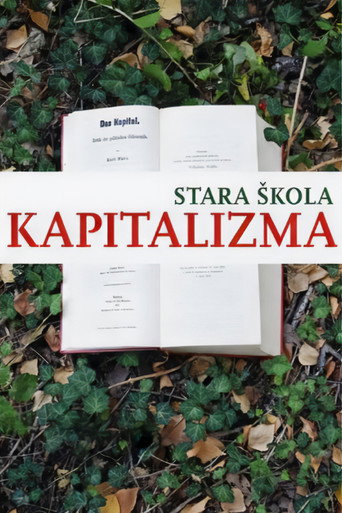
A mixture of documentary and fiction examines the new god of Capitalism offered to the Serbs with the ending of state socialism. We look at a number of strikes in Belgrade during the late 2000s and these introduce us to several characters playing themselves. Employees dressed in American football helmets and pads square up with employers' heavies in their bullet-proof vests, resulting in explosive situations. A visit from the Russian tycoon's representative and vice president Joe Biden's arrival further complicates the proceedings.
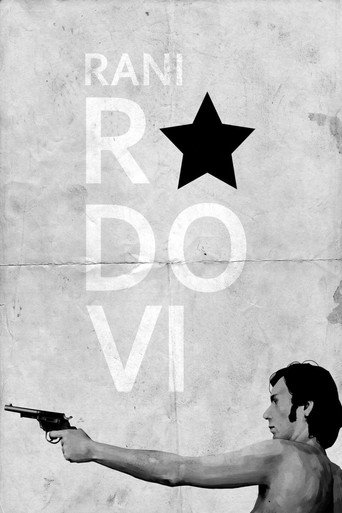
Early Works
Inspired by Karl Marx's "Das Kapital", three men and a girl named Jugoslava decide to wake up the conscience within the working class and peasants. Faced with the primitivism and a lack of morale, their revolution fails and the girl is the one to be sacrificed as a witness of their unsuccessful attempt.
Gallery