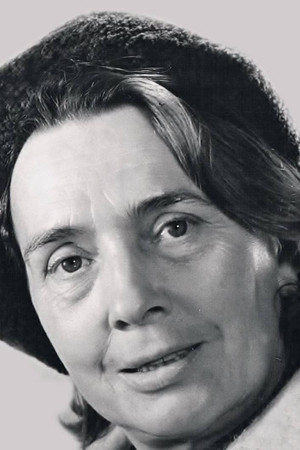
Elfriede Florin Movies, TV Shows, and Filmography
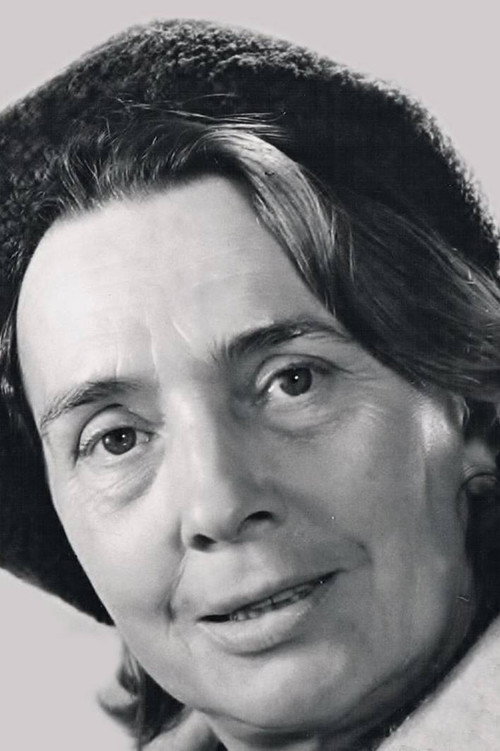
Elfriede Florin
Acting
Biography
Elfriede Florin (26 March 1912 – 7 March 2006) was a German actress who was popular in the 1950s and 1960s, and is best known for featuring in the 1958 film Les Misérables. Source: Article "Elfriede Florin" from Wikipedia in English, licensed under CC-BY-SA.
Filmography Movies
Acting
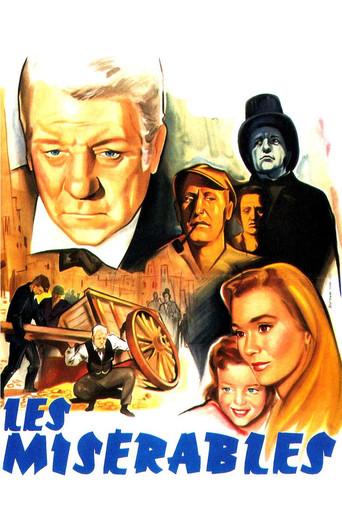
Les Misérables
In 19th century France, Jean Valjean, a man imprisoned for stealing bread, must flee a relentless policeman named Javert. The pursuit consumes both men's lives, and soon Valjean finds himself in the midst of the student revolutions in France.
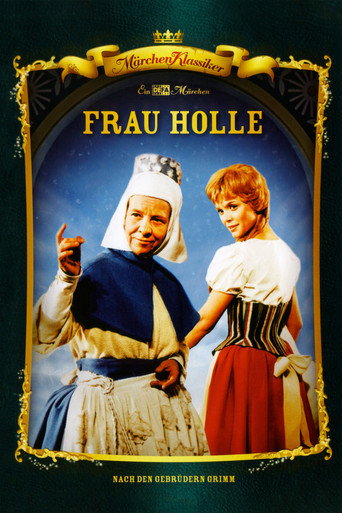
Mother Holly
The widow has an ugly and lazy daughter, Pechmarie, and a beautiful and hard-working step-daughter, Goldmarie. Because Pechmarie is her real daughter, the widow clearly favors her and makes Goldmarie do all the work. Poor Goldmarie must also sit and spin all day by the well until her fingers bleed. When she tries to rinse out the spindel, it drops into the cold water. Her unsympathetic step-mother tells her to jump in after it. Goldmarie does as she is told, and then wakes up in the middle of a beautiful field of flowers. This is the land of Frau Holle, who welcomes Goldmarie and invites her to stay, as long as she will help with the housework. Marie stays and serves Frau Holle gladly, until she suffers so terribly from homesickness that she asks to go home. Before bringing her back, Frau Holle rewards Marie with a shower of gold. Upon her return, Goldmarie and her gold are welcomed by her greedy step-sister and -mother. Hoping for the same kind of reward, the step-mother sends ...
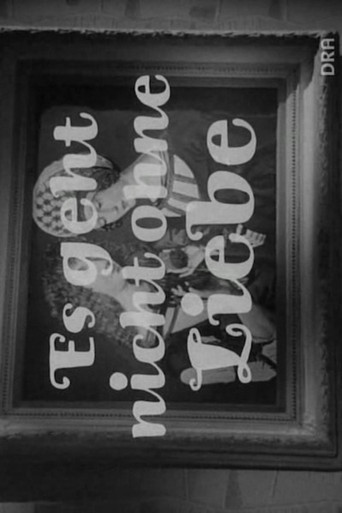
Es geht nicht ohne Liebe
Irene Klaussen, a brilliant, tomboyish Berlin student, falls for new classmate Peter Lemke. To prove herself, she follows him, first to a school dance in a borrowed gown, then to a year’s stint on a remote oil‐plant construction in Granow. Ostracized at first, she wins respect under FDJ secretary Anton by mastering every trade and helping him study for engineering school. After returning to Berlin, she discovers Peter’s infidelity and, disillusioned, goes back to Granow, finding true partnership and purpose with Anton.
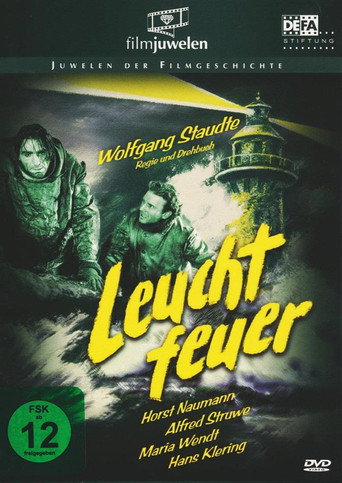
The Beacon
On a barren and stormy island, fishing families eke out a meager existence on what they can catch during summer, and what washes ashore during winter. But little has been washing ashore of late, and their situation worsens. Elders recall how twenty years ago, when the lighthouse keeper’s beacon went dark, a cargo ship broke apart on the cliffs. It proved a bountiful accident for the fishermen. Today people on the island view the conscientious lighthouse keepers with evil hungry eyes...
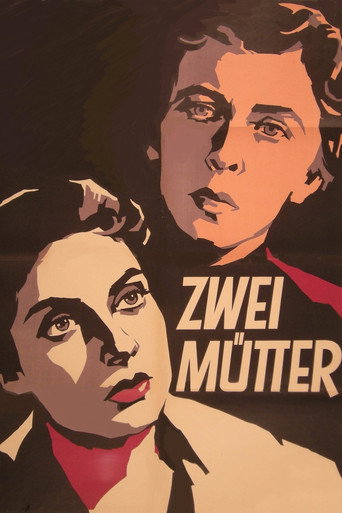
Two Mothers
The story of two women, one French and the other German, who fight for a child who has been mistakenly taken by the Germans after a bomb raid.
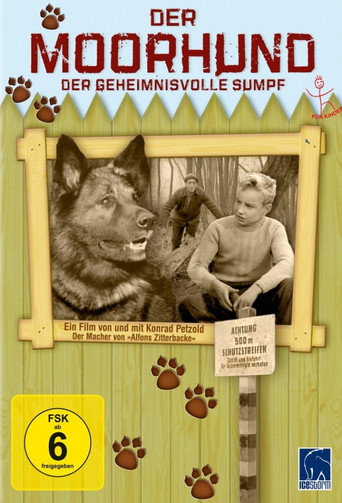
The Moorhound
Two boys are helping the border guards to find a mysterious moor hound used by spies to transfer messages across the border.
Sommerwege
In the late summer of 1958, party secretary Ernst Wollni is sent from Berlin to the village of Schwarzwalde to help set up an agricultural cooperative. In the village he meets his childhood friend Fritz Grimmberger again. Their friendship is put to the test as Grimmberger opposes collectivization. Nevertheless, Wollni manages to motivate the villagers and get the LPG going. Grimmberger, however, ruins himself by going it alone. When his daughter Helga also wants to leave him and study in the city, he realizes his mistake. Grimmberger and Wollni reconcile at the village festival.
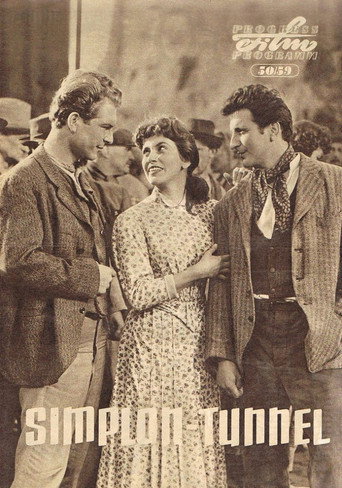
Simplon-Tunnel
A sociohistorical drama about the construction of the Simplon-tunnel: A conflict develops when German workers want to strike and fight for better working conditions while Italian workers simply want to earn money and provide for their families.
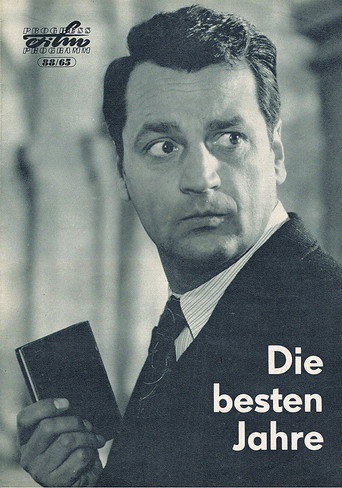
The Best Years
In 1945, Ernst Machner returns home from the war in his mid-20s. Tuche would like him to weave for a living, but his comrades persuade him to become a young teacher instead.

Mich dürstet
Spain 1936: Despite the victory of the Popular Front, nothing has changed for the peasants; the grandees continue to oppress them. The poor peasant son Pablo fights back and encourages the others to demand their rights. The grandees flee. Students from Madrid arrive and help the rural population to democratize. Pablo falls in love with Magdalena and learns to read and write from her. When Franco begins his bloody attack on the young republic, they defend the village together. When Magdalena dies in a bombing raid by German planes, Pablo begins to hate the Germans. However, fighting together with the International Brigades, he realizes that there are other Germans too, and that they share a common enemy.
Gallery