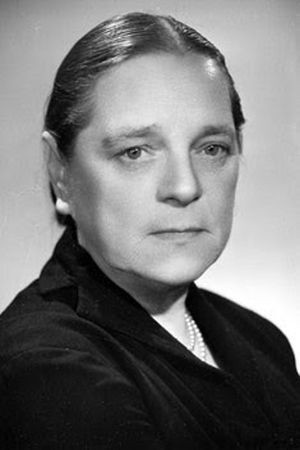
Elena Maksimova Movies, TV Shows, and Filmography
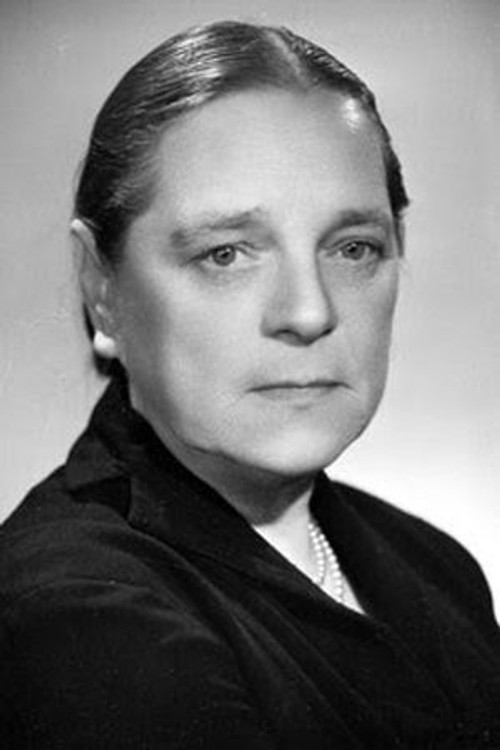
Elena Maksimova
Acting
Biography
Elena Alexandrovna Maksimova (23.11.1905—23.09.1986) was born in Moscow to a grocer father (he sold non-perishable goods) and a housewife mother, who was often ill. Apart from her, there were two other daughters in the family. Following her father's death in 1920, her mother was forced by poverty to send all three daughters to Orphanage No. 55, located in the Sokolniki district. Shortly after, in 1922, her mother also passed. Thus, at the age of 17, she was left completely orphaned. From an early age, Elena Maximova had dreamed of becoming an actress. When she finished schooling in 1925, she immediately went to the film studio attached to ‘Moskprofobor’ (Москпрофобр) to sit her entrance exams. There was only one free place available, and it went to Elena – as the most talented of all the applicants. From 1925 to 1927, she trained under the guidance of renowned film masters Vladimir Gardin and Konstantin Eggert. Alongside her studies at the film studio, Elena Maksimova had to work as a press operator at a button factory. She worked in film since 1927, appearing in productions by various film studios in Moscow and Leningrad. Between 1940 and 1964, she was an actress at the Soyuzdetfilm studio (now the Gorky Film Studio). Honoured Artist of the RSFSR (30 September 1958). The characters she portrayed were distinguished by their realism and attention to everyday detail. Her heroines were most often active, energetic and impetuous, yet she was equally at home with gentle, lyrical roles. She served Soviet cinema for nearly fifty years, and her work was modest and selfless — rarely in supporting roles, but more often in small cameos.
Filmography Movies
Acting
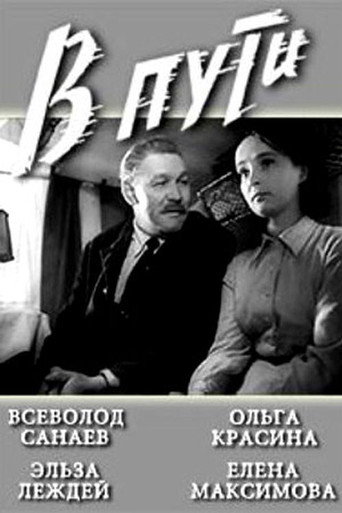
In Transit
An elderly man takes in his orphaned niece after the death of his younger brother. On the way home, on the train, in communication with various people, the true traits of his character are revealed.
A Personal Affair
The best bell-ringer of the church Fedor Kuzmich Shtukov becomes the foreman of production at the shipyard. Communists and Komsomol members are trying to persuade Fedor to forget about the church, but in vain. Daughter Anna laughs in the face of her father - and in vain too. But when the plant desperately needed a scarce metal, Shtukov, painfully thinking about his native plant, supported the proposal of one of the workers to cast the billet from the church bell, and the vessel was ready for launch on time.
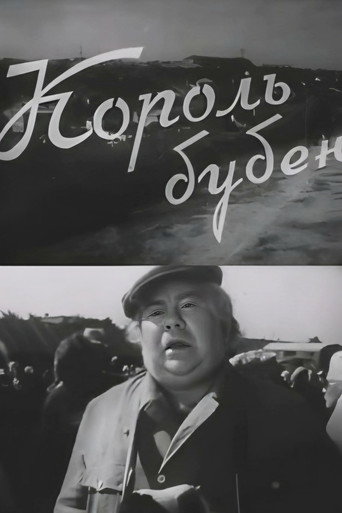
King of Diamonds
Sasha and Katya love each other. The wedding has already been scheduled, Sasha is just about to go on a business trip...
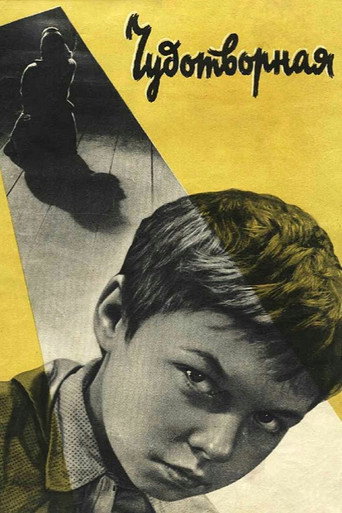
Miraculous One
Rodka Gulyaev is a pupil of the Gumniskii rural secondary school. One day on the bank of the river he digs out the darkened old icon. Unfortunately for him his grandmother Avdotya, an overbearing and cunning old woman, spreads a rumor that the icon is miraculous, and her grandson is a saint.
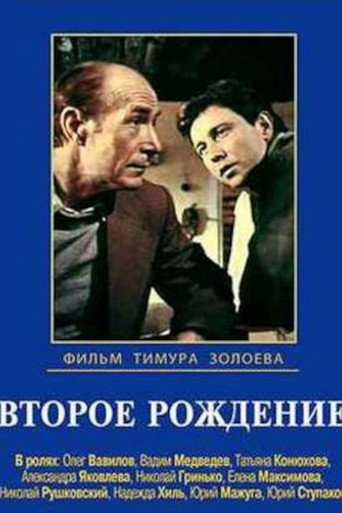
Rebirth
A good guy from a prosperous family Gena Rusanov studies at the institute, loves a girl and is ready to get married. The bride is happy and is also looking forward to the wedding. And suddenly something happens to Gena. He starts drinking vodka and very quickly sinks to the bottom. But he is watched by good and sensitive people. They will not let Gena finally perish and will help him to return to an honest and healthy life.
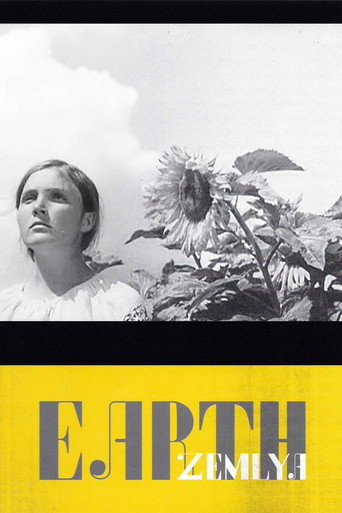
Earth
The film tells about the creation of the first collective farm communes and class enmity. Vasyl, a member of the Komsomol, with the help of a local party organization, gets a tractor and plows private boundaries "on kulak fields." However, this enthusiasm will cost him dearly.
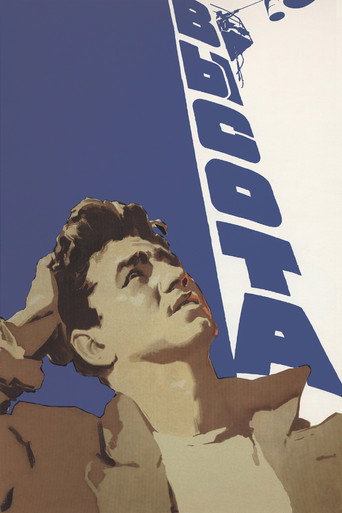
Height
For the construction of the plant comes a team of ironworkers, they will carry out the installation of the blast furnace according to the new method. A film about the difficult characters of ordinary Soviet people who know how to work, dream, love - to build a great human happiness.
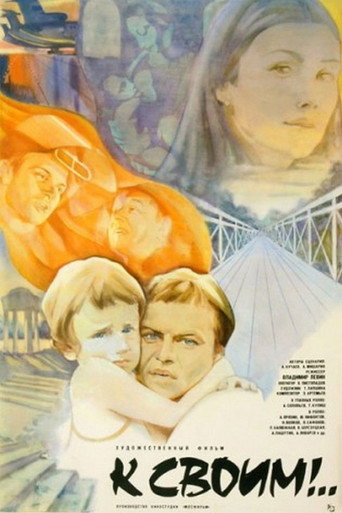
To My People!
A man reconnects with the people he grew up with in a Soviet orphanage.
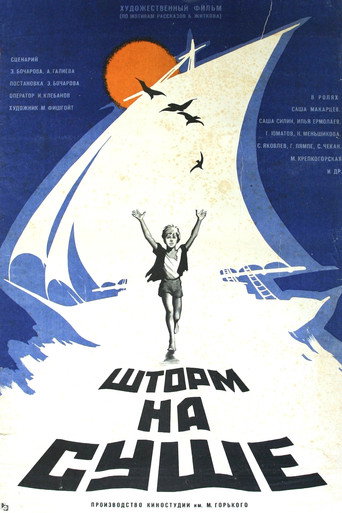
Storm on the Land
A story about a group of children and their life set at the small Russian seashore town in the year of 1913.
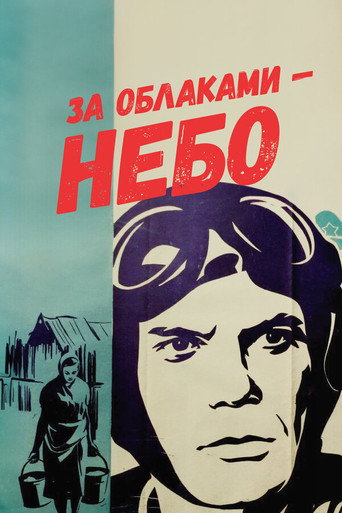
The Sky Behind the Clouds
In the years following the end of WWII, test pilots and designers risk their lives to master new jet technologies.
Gallery