Acting
No biography available.
A shooting accident in which a dutch police officer shoots a young Moroccan rapper creates polarization about the issue of racism among citizens of a multicultural society.
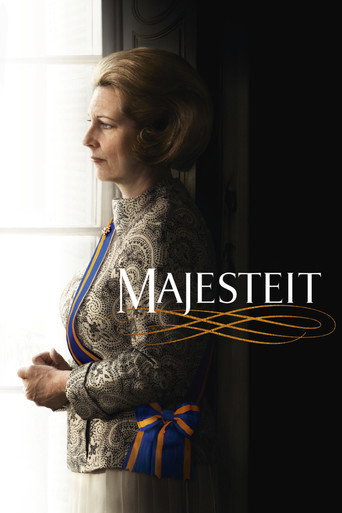
One hour before the State Opening of Parliament, something very unusual happens. The Prime Minister appears and demands an adjustment to the Queen's speech. The speech concerns aid to Africa. Even with all the pressure around the State Opening, Beatrix goes back in time, and remembers her banishment to Canada, the visit to the victims of the Flood disaster and the turbulence suffered by her parents at Palace Soestdijk during the Hofman case.
A young woman struggles to cope with her elderly father's out-of-the-blue announcement he considers his life complete and will end it by his next birthday.
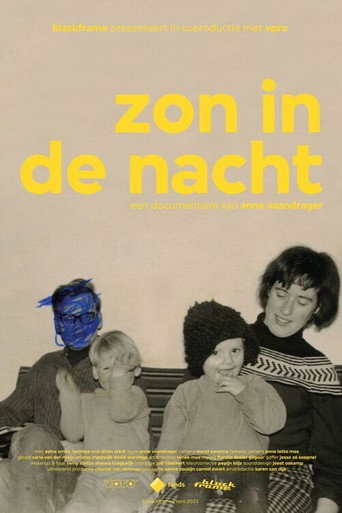
What if your whole life is a play? Almost ten years after her grandfather's death, director Anne Vaandrager finds out that he was a gay man in a heterosexual marriage and died of AIDS. Using interviews, archive material, and fictional scenes, she attempts to reshape her family history. In this way, she unravels a family story that is about shame, the inability to talk to each other, and her own identity.
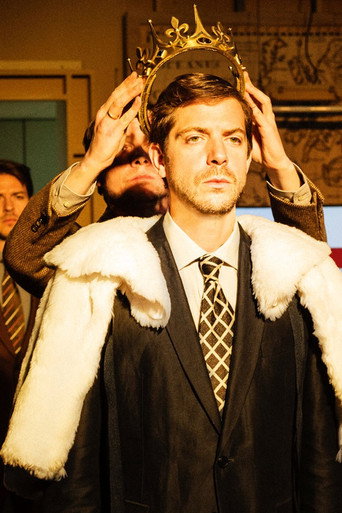
In Kings of War, director Ivo van Hove focuses on political leadership. The original texts were retranslated by Rob Klinkenberg and then thoroughly adapted: the Hundred Years' War between England and France, and the Rose Wars between the houses of Lancaster and York for the English throne, which are emphatically present as a historical context in the original pieces, were referred to the background in the adaptation in order to accommodate a varied portrait of successive kings. As leaders in times of political instability and war, they show remarkable affinities with world leaders today.
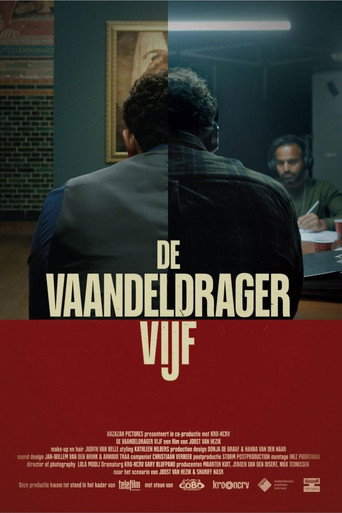
During the unveiling of Rembrandt's The Standard Bearer in the Rijksmuseum, five masked figures storm in and take the 175 million euro artwork hostage.
All shy people pass away. All at the same time, in one blow, all of them. A small community organizes a funeral for all its shy residents who have passed away. Everyone is eager to say something.
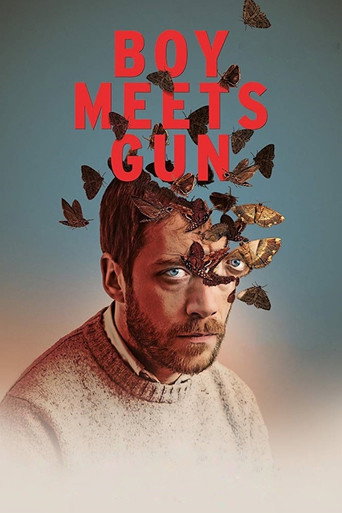
When the bored out philosopher Maarten Moreau gets caught up in a robbery, he accidentally gets hold of the weapon. Seized by a renewed appetite for life, Maarten decides to keep the gun. A true romance blossoms between the boy and the gun, not without consequences.
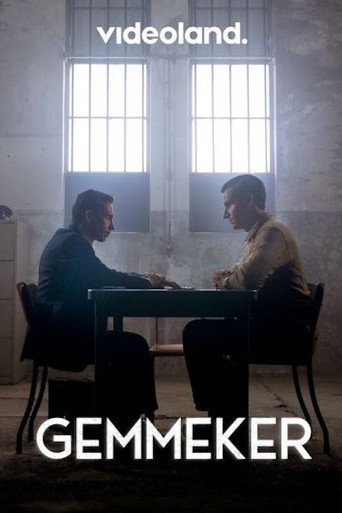
In 1948, Albert Gemmeker, the former commander of the Dutch concentration camp Westerbork, finds himself in an interrogation room opposite a man unknown to him. It soon turns out that Gemmeker's interrogator has a personal reason to force him to confess about his war past and the transportation of 80.000 Jews to the extermination camps.