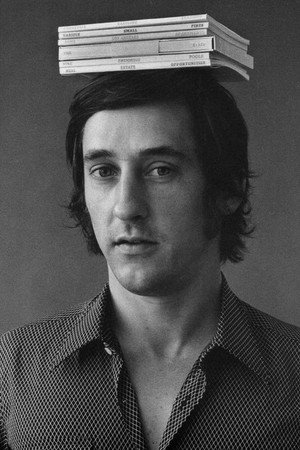
Edward Ruscha Movies, TV Shows, and Filmography
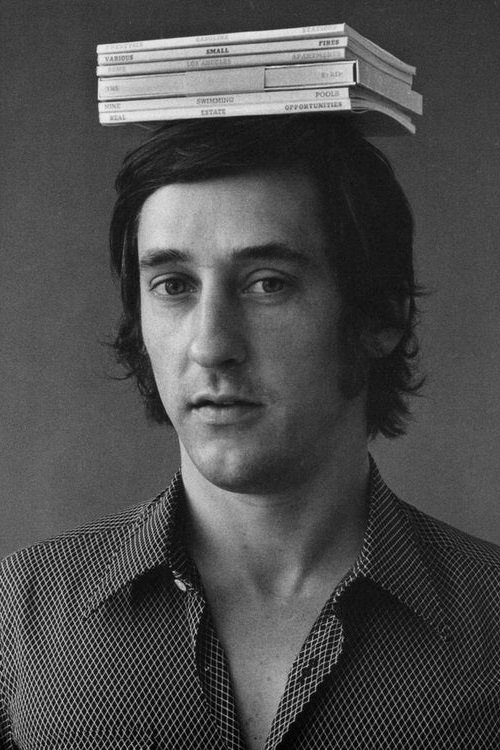
Edward Ruscha
Directing
Biography
Edward Joseph Ruscha IV is an American artist associated with the pop art movement. He has worked in the media of painting, printmaking, drawing, photography, and film. He is also noted for creating several artist's books. Ruscha lives and works in Culver City, California.
Filmography Movies
Acting
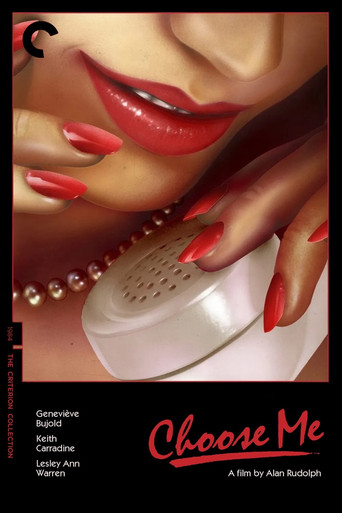
Choose Me
Several lost-soul night-owls, including a nightclub owner, a talk radio relationship counselor, and an itinerant stranger have encounters that expose their contradictions and anxieties about love and acceptance.
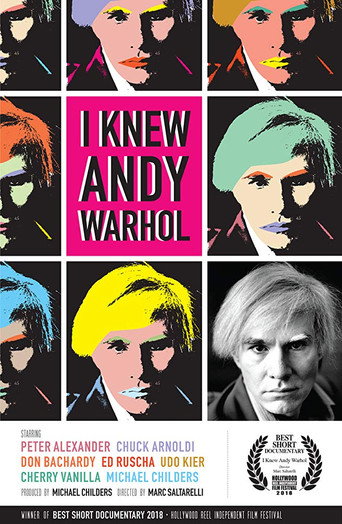
I Knew Andy Warhol
A series of interviews with artists, photographers and Factory superstars who worked and socialized with Andy Warhol.
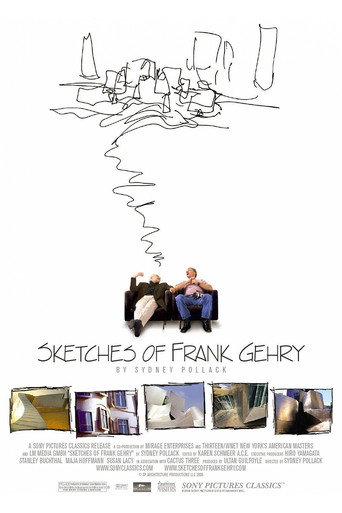
Sketches of Frank Gehry
First and foremost, Frank Gehry is an artist. Described as a young child as having golden hands, Frank begins his creation through sketch. Forming thought into substantive sculpture, the marriage of art and architechure is brought to life. Join director Sydney Pollack on a journey into the world and work of the most important architect of our Age.
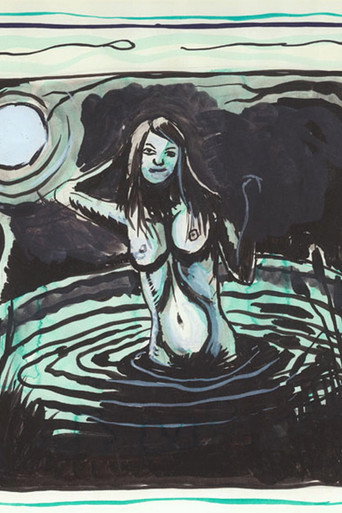
Kappa
Deconstructing the myth of Oedipus within the framework of an ancient Japanese folk story, the Yonemotos craft a highly charged discourse of loss and desire. Quoting from Bunuel, Freud, pop media and art, they place the symbology of Western psychosexual analytical theory into a cross-cultural context, juxtaposing the Oedipal and Kappa myths in a delirious collusion of form and content. The Kappa, a malevolent Japanese water imp, is played with eerie intensity by artist Mike Kelley; actress Mary Woronov plays Jocasta as a vamp from a Hollywood exploitation film. Steeped in perversions and violent longings, both the Kappa and Oedipus legends are presented in highly stylized, purposefully "degraded" forms, reflecting their media-exploitative cultural contexts. In this ironic yet oddly poignant essay of psychosexual compulsion and catharsis, the Yonemotos demonstrate that even in debased forms, cultural archetypes hold the power to move and manipulate.
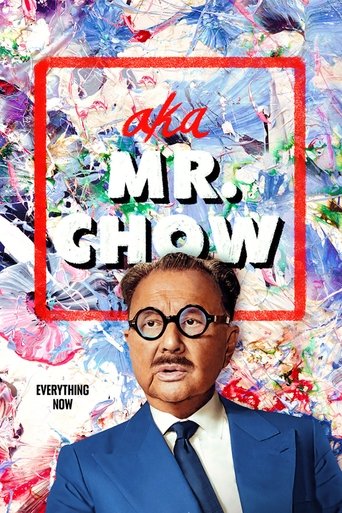
aka Mr. Chow
With his signature circular glasses and mustache, Michael Chow is an exuberant force at the crossroads between eccentricity and sophistication. The famed restaurateur defined “The Moment” with the openings of Mr. Chow, the bustling upscale Chinese eateries that attracted the glitterati of Swingin’ London, 70s Hollywood, and post Studio 54 New York.
Paradox Bullets
A short film which debuted in a secret location in London to coincide with the release of the NikeCraft x Tom Sachs Mars Yard Overshoe
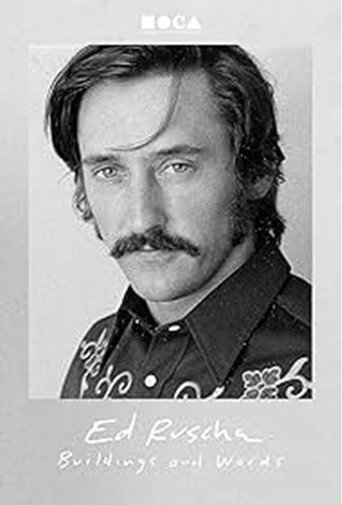
Ed Ruscha: Buildings and Words
Commissioned by the Museum of Contemporary Art, Los Angeles on the occasion of their 2016 Gala event, 'Ed Ruscha: Buildings and Words' traces two recurring themes in the artist's 60-year oeuvre.
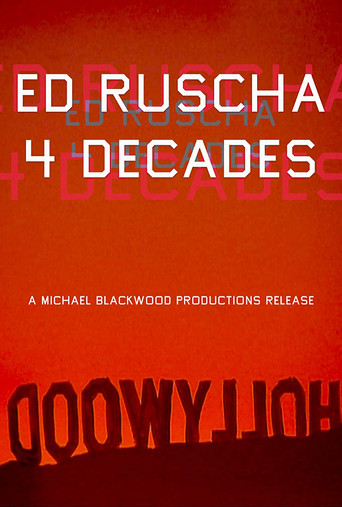
Ed Ruscha: 4 Decades
Ed Ruscha made his very first art in his native Oklahoma, but soon became attracted to Los Angeles . Curator Margit Rowell has examined his extensive body of work and created a brilliant exhibition of his seldom seen drawings. Rowell visits Ruscha in his studio, looking at new paintings with the artist, discussing his progress over the decades and asking him to comment on the many milestones in his large retrospective exhibition at MoCA in Los Angeles.
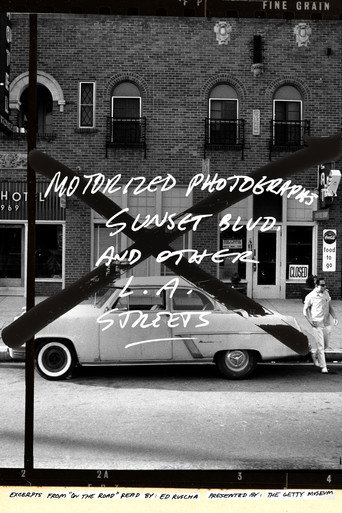
Ed Ruscha - Motorized Photographs of Sunset Blvd. and Other L.A. Streets
Commissioned by The Getty Museum on the occasion of their 2019 Getty Medal to the painter, draftsman, photographer, and bookmaker, Ed Ruscha. Utilizing The Getty Research Institute's preservation and digitization of over a million images from Ed's Streets of Los Angeles photo series, and excerpts from Jack Kerouac's "On The Road," this film puts together two of Ed's major inspirations: Kerouac's text and the city of Los Angeles.
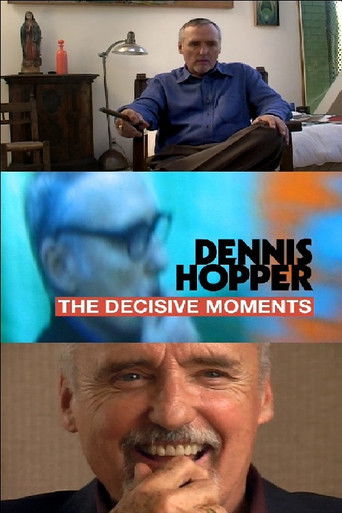
Dennis Hopper: The Decisive Moments
The inevitable fat cigar between his fingers, the American actor, director and fine artist Dennis Hopper (1936) self-mockingly looks back on his chequered life and career, at the request of Dutch director, photographer and fine artist Thom Hoffman. The latter sifted through the turbulent life story of Hopper, who is primarily known from the cult film Easy Rider (1969). Hopper went through as many high as low points. In conveniently arranged chapters, Hoffman shows the decisive moments in Hopper's life and asks colleagues like Wim Wenders, David Lynch, Sean Penn and Julian Schnabel to comment on them. The documentary is richly illustrated with film excerpts, photos, newspaper articles and anecdotes. The main reason for this film was the retrospective of Dennis Hopper's art work in the Amsterdam Stedelijk Museum in 2001.
Production
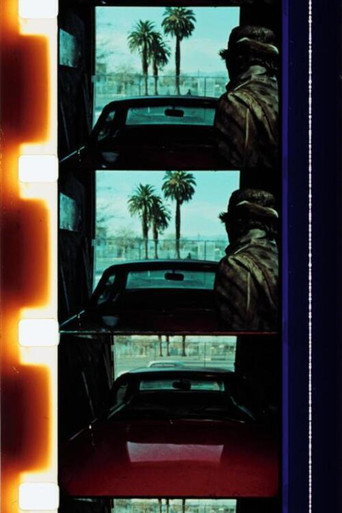
Miracle
Los Angeles-based artist Ed Ruscha’s 1975 short film Miracle centers on a day in the life of an auto mechanic (played by artist Jim Ganzer), who has a transformative experience while working on the engine of a Ford Mustang. Actress and singer Michelle Phillips of the Mamas and the Papas plays his love interest. Since the 1960s, Ruscha has received extensive critical acclaim for his paintings, photographs, drawings, and books exploring the commercial vernacular of Los Angeles—its graphic signage, architecture, and even parking lots. In effect, his work subtly comments on America’s cultural and socioeconomic evolution in the twentieth and twenty-first centuries. Miracle is one of only two films made by the artist in the 1970s. – Contemporary Art Museum St. Louis by Kelly Shindler, Associate Curator
The Books of Ed Ruscha
This rare foray into filmmaking by the iconic California visual artist opens with Mason Williams, the composer of "Classical Gas" solemnly making himself a drink on a hillside patio at dusk as if performing an incantation. Heavy reverb on the soundtrack amplifies every sound until he sits down to read through a stack of Ruscha's photography books, Twentysix Gas Stations, Some Los Angeles Apartments, Every Building on the Sunset Strip, etc. In an over-the-shoulder shot, we see each page of each book as Mason flips through them, briefly contemplating what he sees and reading any available text as a kind distanced recitation. Mason punctuates this seeming solemnity with moments of irreverence, manhandling, at times, these limited edition art objects as if they were toss away shopping catalogs as he presses on with his appointed task
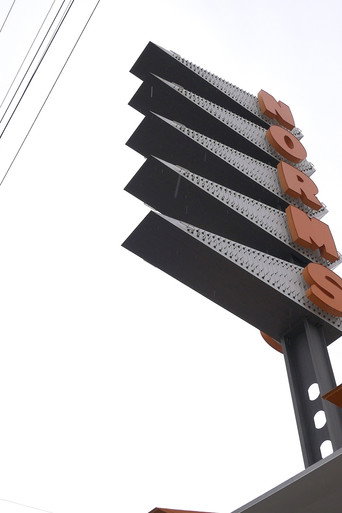
L.A. Restaurants
"L.A. Restaurants" opens with a panned shot recorded while driving past Cole's P.E. Buffet in downtown Los Angeles, which was founded in 1908 and claims to be the oldest restaurant and bar in the city. In a manner reminiscent of the typological catalogues of gas stations and buildings on the Sunset Strip first explored in his seminal artist's books of the 1960s, Ruscha documents sixty-four restaurants emblematic of "Old Hollywood" across the LA region. This visual perambulation moves in a spiral formation, from the outer limits of the San Fernando Valley along Ventura Boulevard to the centrally located restaurants near Culver City.
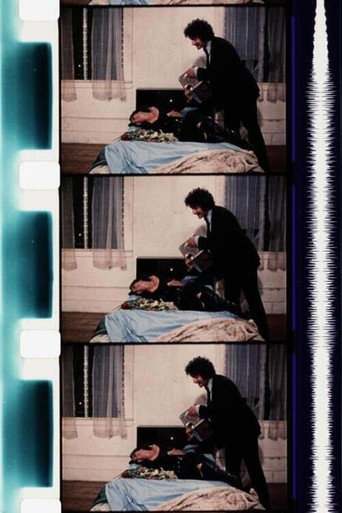
Premium
A man enjoys the salad days.
Gallery