Acting
No biography available.
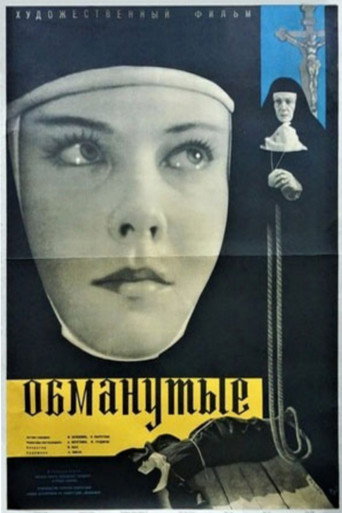
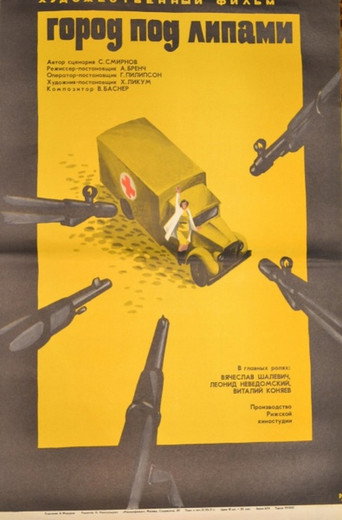
After becoming a teacher, Janis Lazdan returns to his native village in Latgale. In Novie Gudani, he sees black cassocks everywhere. Nuns sit at the bedside of his sick mother. The girl he loves, Lienite, is dressed in the black habit of a novice. Anton, Janis' childhood friend, has become a priest. A struggle begins between Janis and Anton, a subtle psychologist, over Andris, a sickly boy who is extremely impressionable and gifted. Janis understands that the power of the church lies in the indifference of non-believers. He believes in his own strength and love for his loved ones.
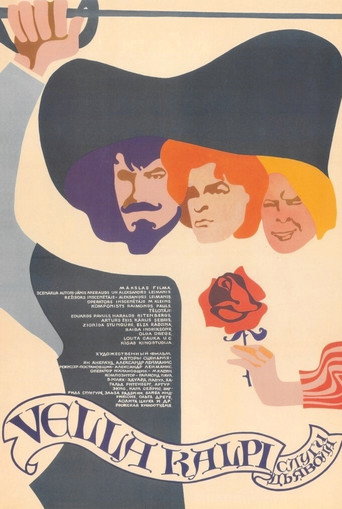
In 17th-century Latvia, as Swedish and Polish armies march across the war-torn land, the corrupt councillors of Riga stand ready to hand over the city’s keys to whichever foreign power pays the highest price. But three jolly friends — Andris, Pēteris, and Ērmanis — together with their female companions Rūta, Anna, and Lēne, refuse to surrender without a fight. Rallying the people of Riga, they rise in a courageous struggle for freedom of their city.
In this movie (based on a true story) within a movie, a director tries to film the tale of an old KGB activist living in a parish house. In the summer of 1941 the activist tortured and killed Latvians in the cellar of the house. Although the old man hires others to brick over the cellar door, the murdered people keep coming through the stones and never leave him in peace. Unbeknownst to the film makers, the "real" KGB activist, now an aged drunk, is milling about the film set. Moreover, the director and lead actor are competing for the love of the lead actress, and the film's producer wants the director to re-shoot parts of the movie.
The epic film is based on the motifs of Vilis Lācis' novel "The Zītari Family". The tragedy of the Zītari family is a model of Latvian national history. With the beginning of World War I, the patriarchal way of life of Captain Andrejs and his wife Alvīne, their children Kārlis, Ings, Ernests, Elza and Janka changes, with years spent at work and in rare, modest celebrations. Kārlis voluntarily goes to the front, Ingus disappears without a trace on long sea voyages. Not wanting to live in the territory occupied by the German army, the Zītari evacuate to the distant Altai region. The unusually difficult living conditions and the drastically changing political situation of the post-revolutionary period also affect each member of the Zītari family. When the opportunity arises to return to Latvia, Andrejs and Alvīne are no longer among the living. The old sailor's nest has collapsed and the young Zītari are no longer able to preserve their father's house - all the property is stolen.
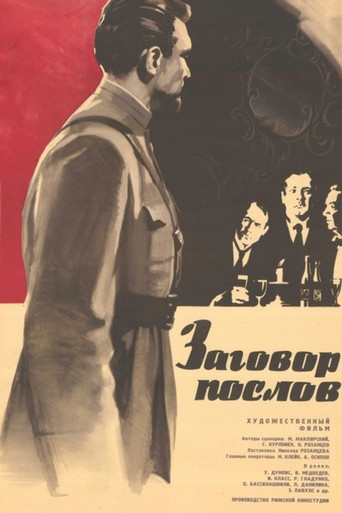
The 30-year war still goes on. Riga headmasters have decided to submit themselves to mercy of Polish-Lithuanian Duke. Rigas' defenders disagree strongly and steal the ceremonial Key of Riga. Will they succeed in their fight against all odds? Will three Latvian musketeers have their happily ever after?
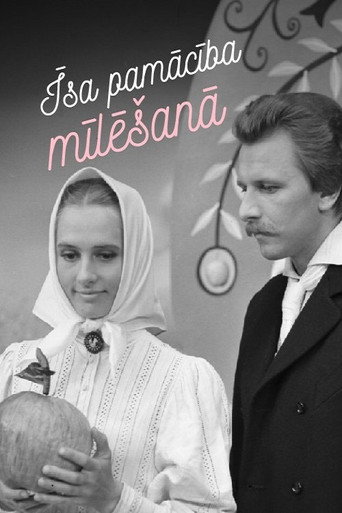
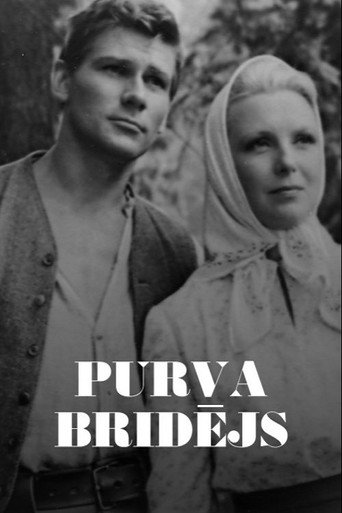
Latvia in the late 19th century. Edgars, the coachman of Alaine manor, loves Kristine, the washerwoman's daughter, although he is too hot-headed for Kristine's mother to consider him a good suitor for his daughter. Servant Viskrelis and stable boy Sutka try to tempt Edgars to a life of drinking and a relationship with the barmaid Matilde. Meanwhile, Kristine is courted by a rich landowner, Akmentins.
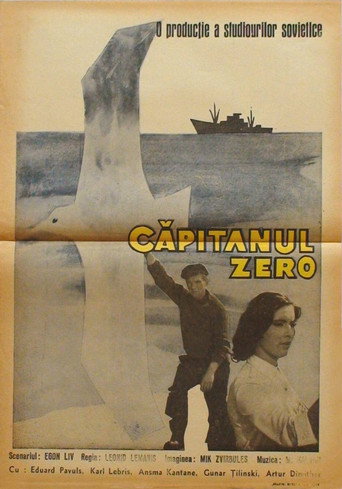
Valdis Nulle is a young and ambitious captain of fishing ship 'Dzintars'. He has his views on fishing methods but the sea makes its own rules. Kolkhoz authorities are forced to include dubious characters in his crew, for example, former captain Bauze and silent alcoholic Juhans. The young captain lacks experience in working with so many fishermen on board. Unexpectedly, pretty engineer Sabīne is ordered to test a new construction fishing net on Nulle's ship and 'production conflict' between her and the captain arises...