Directing
No biography available.
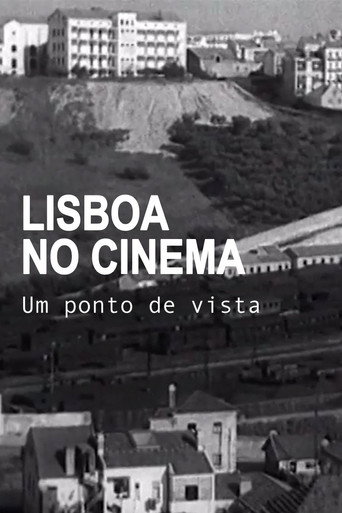
The city during the beginning of cinema. The typical city at the time of the dictatorship. The New Lisbon of the New Cinema. Lisbon after the Revolution. The white city of foreigners. A geographical and moviegoer screenplay of Lisbon through the images of films and testimonies of several filmmakers who filmed in Lisbon.
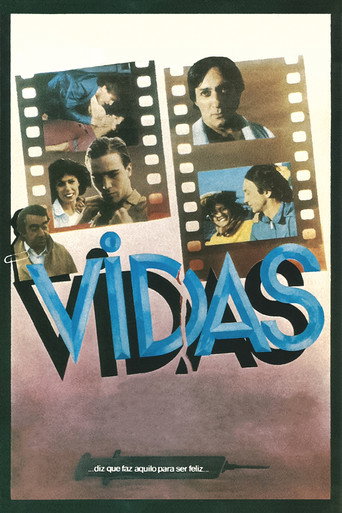
Lives is the story of a middle-aged couple that dwells the night, the heroin and small tricks.
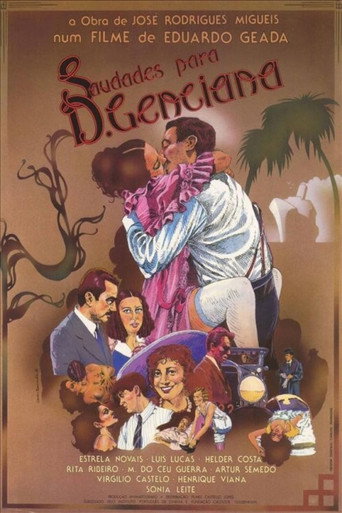
Dona Elvira promises to get a job from José through the typical Portuguese wedge. In parallel, they are bizarre aspects and eccentric figures of the city life, including the tragedy of the actress Maria Alves.
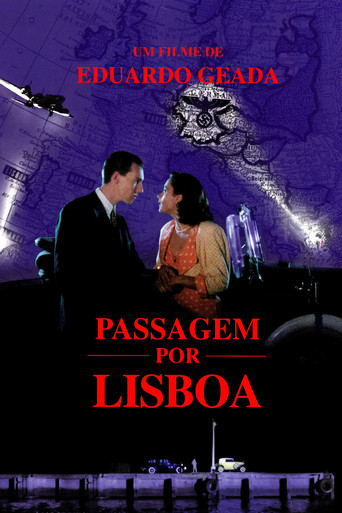
Lisbon, early 1940s. The neutral port town is an open door to freedom, for those who are escaping the Nazi occupied France and eastern European countries, and a war field for spies of every description. Lisbon became a cosmopolitan town, where the Duke of Windsor, Primo de Rivera, Pola Negri, Leslie Howard, Walter Schellenberg and Juan Garcia are often together in the luxury hotels and night-clubs. Espionage and crime go hand in hand, despite of, or encouraged by, the Portuguese secret police.
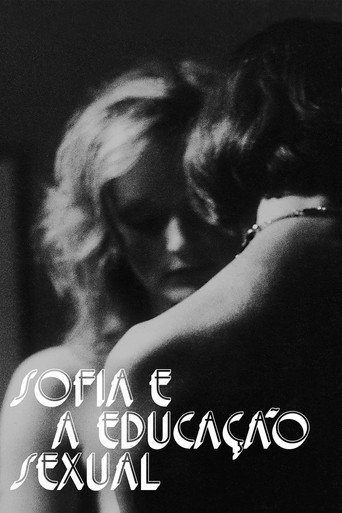
After her mother's death, Sofia returns from a Swiss college to her family's luxurious villa, in Cascais. Through the relashionship between her father, Henrique, and his lover Laura, she will discover the complexity, egothistic, discrete and hypocrite way of life - from which there is no escape.
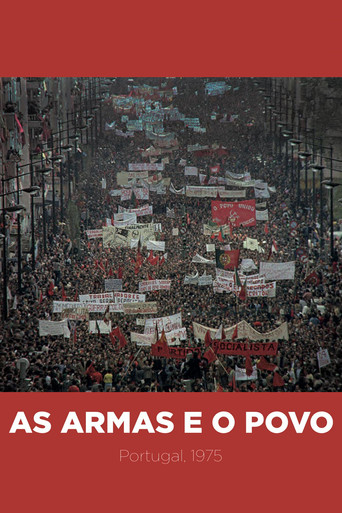
Film directors with hand-held cameras went to the streets of Lisbon from April 25 to May 1, 1974, registering interviews and political events of the Portuguese "Carnation Revolution", as that period would be later known.
Impossible Invasion is the fifth film in the Lisboa Sociedade Anónima series. Set in the 1960s, it is a touching descent into the emotional misery of the petty bourgeoisie living in rented rooms, suffocating on precarious civil service salaries, with a cultural horizon of soccer and television, and against the backdrop of the colonial war and the glory of the bridge over the Tagus. Noteworthy are the fine performances of the actors (especially Maria do Céu Guerra), the creation of an oppressive and mediocre atmosphere, well underscored by songs from the period, and the concise and rigorous characterization.
Part of the medium-length films for TV Lisboa Sociedade Anónima, O Banqueiro Anarquista is a fine example of what a fabulous script (by Pessoa), exuberant set design, attentive camera work, and an actor (Santos Manuel) at his most daring and accomplished can achieve. The result is a cynically entertaining film, markedly representative of the First Republic, where for almost an hour the viewer is delighted (and unsettled, of course) by the fallacies of a script to which Santos Manuel gives the weight of a body and a voice, that is, he brings it to life. The Anarchist Banker is a brilliant satire on political discourse, of unfailing intelligence and ferocity.