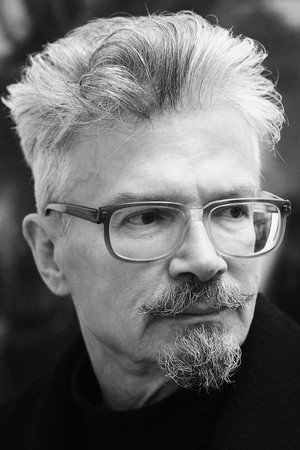
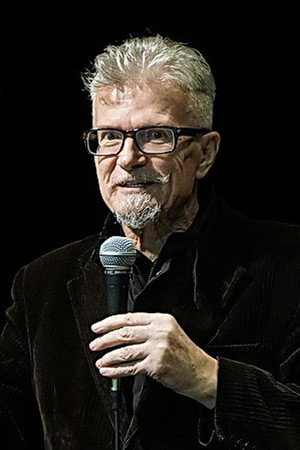
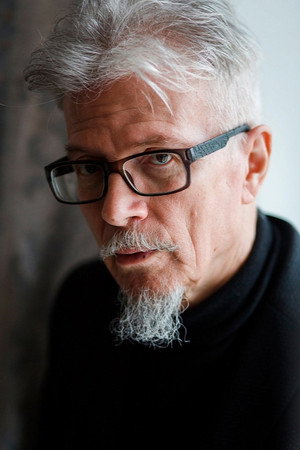
Eduard Limonov Movies, TV Shows, and Filmography
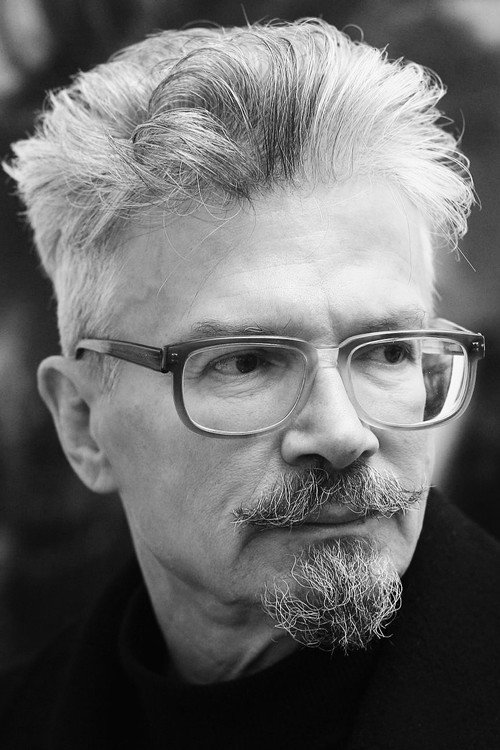
Eduard Limonov
Acting
Biography
Eduard Limonov (Russian: Эдуард Лимонов, real name Eduard Veniaminovich Savenko, Russian: Эдуард Вениаминович Савенко; 22 February 1943 – 17 March 2020) was a Russian writer, poet, publicist, and political dissident. He emigrated from the USSR in 1974 and earned the fame of a scandalous writer abroad, in particular, due to obscene language and pornographic scenes in his first novel It's Me, Eddie. In 1991, he returned to Russia and soon founded the controversial National Bolshevik Party that was banned in the country in 2007 (it was superseded by The Other Russia party). A fierce opponent of neoliberal policies in Russia, he was arrested in 2001 and convicted for illegal possession of weapons. In the 2000s, he was one of the leaders of The Other Russia coalition of opposition forces. However, he supported Putin's foreign policy following the 2014 pro-Russian unrest in Ukraine. (Wiki)
Filmography Movies
Acting
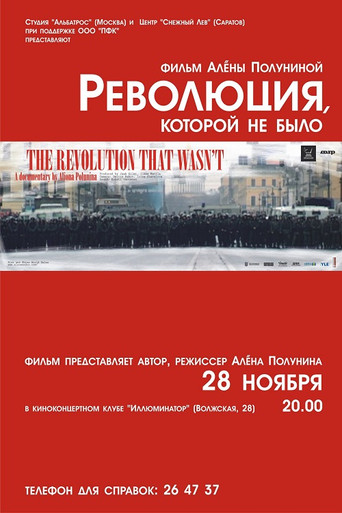
The Revolution That Wasn't
With capitalism and corruption becoming more entrenched in Russia, a father and his teenage son gear up for a yearlong political campaign to unseat President Putin in the 2008 elections and shift the country back toward socialism. Aliona Polunina's thoughtful documentary follows Anatoly and Andrei in their struggle to recreate a revolutionary fervor in a society that seems to be embracing the materialist values of the West.

The Term. Beginning of a Big Story
The documentary project The Term was conceived in May 2012. When the directing trio commenced mapping the Russian sociopolitical landscape, Vladimir Putin had just settled into the Kremlin for his third term. The original experimental format of “documentary bulletins,” which were published daily online, allowed for wide-ranging content; in the feature film version, however, the filmmakers focused solely on the members of various opposition groups. Nevertheless, the work’s neutral position remains and viewers have to interpret the objectively presented situations for themselves. The main characteristics of this strongly authentic movie include close contact with the protagonists, precise editing, and an effectively controlled release of information.
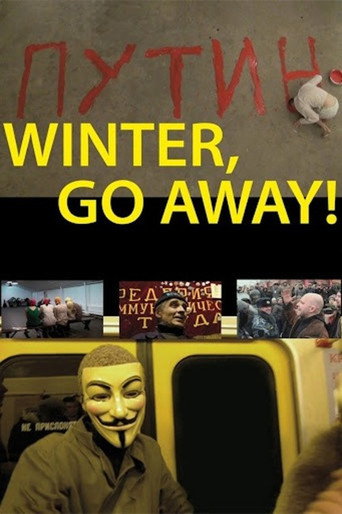
Winter, Go Away!
Ten director graduates from Marina Razbezhkina’s School of Documentary Film and Documentary Theatre lived with a camera for two months in order to chronicle the last “Russian winter” and its popular uprising against Vladimir Putin’s presidential run. People, faces, conversations, protests, failures and triumphs come together to chronicle the campaign.
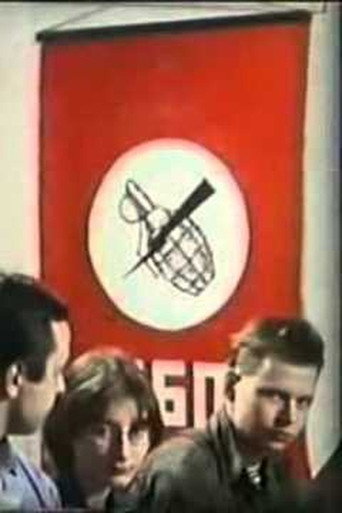
Yes, Death
Short movie shows us a life in the Moscow Headquarter of the National Bolshevik Party and contains several interviews with a party members.
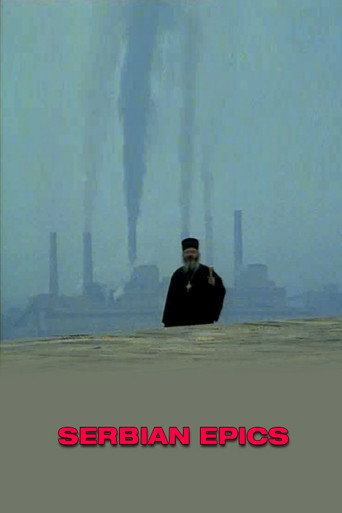
Serbian Epics
Paul Pawlikowski's award-winning documentary on life behind Serbian lines in Bosnia. The film observes the roots of the extreme nationalism which has torn apart a country and provides a chilling examination of the dangerous power of ancient nationalist myths.
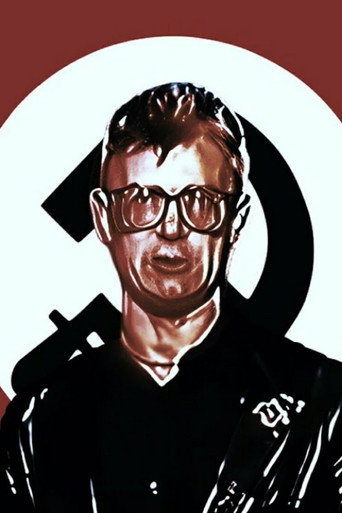
NBP Dedicated
A short film with the participation of the leader of the "National Bolshevik Party" Eduard Limonov.
Production
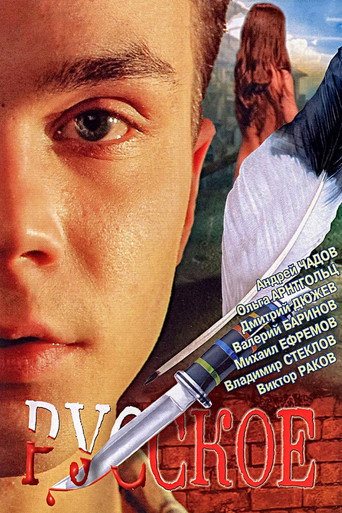
It's Russian
Eda Savenko finds herself in a situation where she wants to take her daughter to a restaurant, but her parents refuse to provide the necessary funds. She decides to take drastic action by robbing the dining room and subsequently consuming alcohol. Observing a girl with another person, she makes a dramatic gesture by cutting her veins, leading to her admission to the ‘Quiet Ward’ of the Saburka psychiatric hospital.
Children of The Devil
An animated episode film made up of a series of 15-minute stories, each set in a different European country, and in each of which the mother, both parents or the child meet a tragic end.
It's Russian
Eda Savenko finds herself in a situation where she wants to take her daughter to a restaurant, but her parents refuse to provide the necessary funds. She decides to take drastic action by robbing the dining room and subsequently consuming alcohol. Observing a girl with another person, she makes a dramatic gesture by cutting her veins, leading to her admission to the ‘Quiet Ward’ of the Saburka psychiatric hospital.
Gallery