Eduard Artemyev Movies, TV Shows, and Filmography
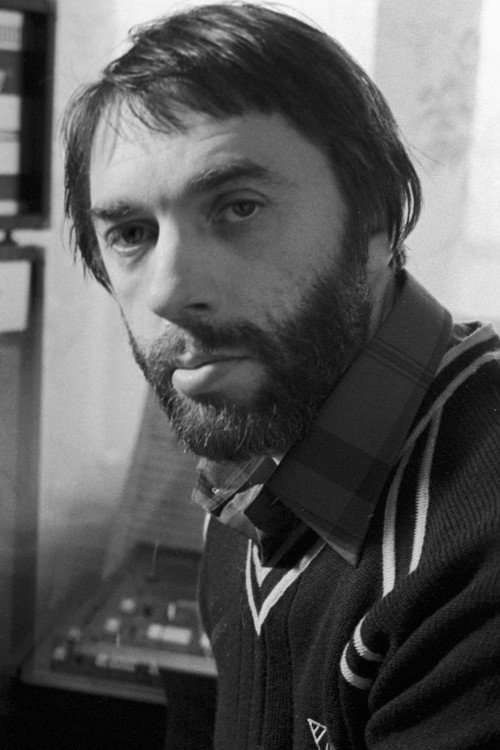
Eduard Artemyev
Sound
Biography
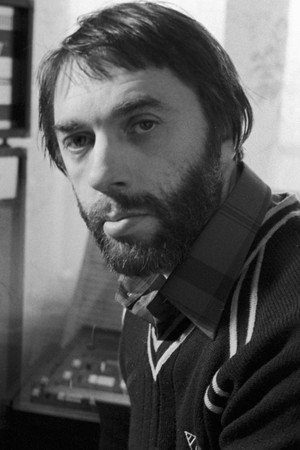
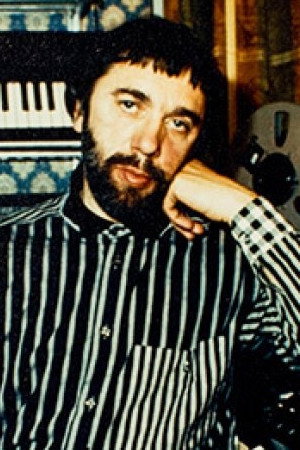
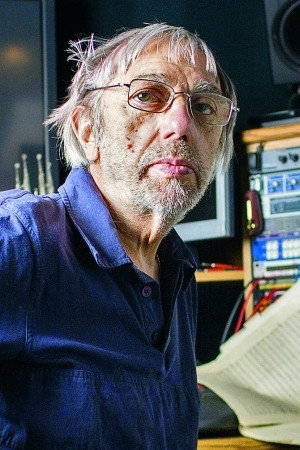
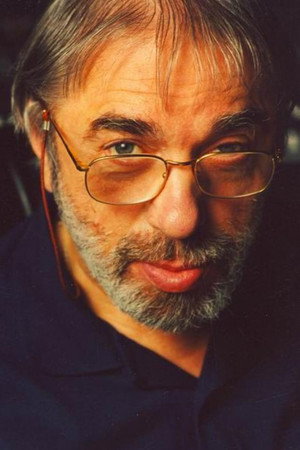
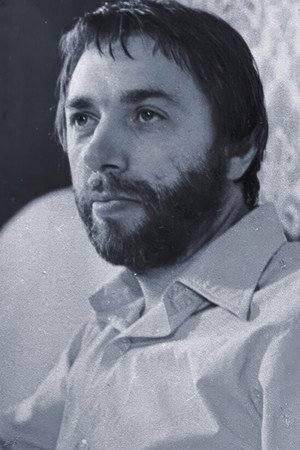
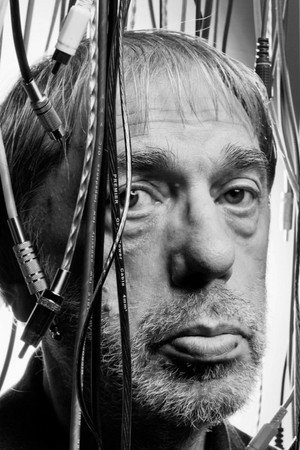
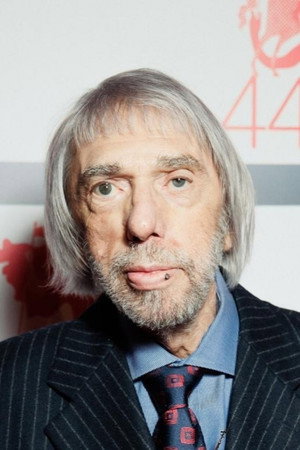
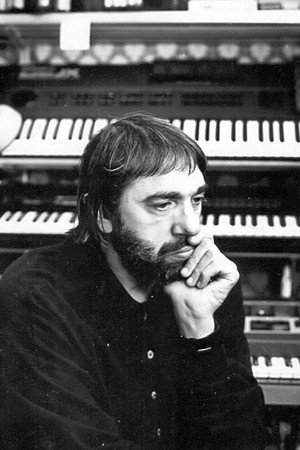
Eduard Nikolaevich Artemyev PAR (Russian: Эдуа́рд Никола́евич Арте́мьев, IPA: [ɛdʊˈard ɐrˈtʲemʲjɪf]; born 30 November 1937) is a Soviet and Russian composer of electronic music and film scores. Outside of Russia he is mostly known for his soundtracks for films such as Solaris, Siberiade, Stalker and Burnt by the Sun. He was awarded the title People's Artist of Russia in 1999. Artemyev was born in Novosibirsk and studied at the Moscow Conservatory under Yuri Shaporin. His interest in electronic music and synthesizers began after his graduation in 1960 when electronic music was still in its infancy. He wrote his first composition in 1967 on one of the first synthesizers, the ANS synthesizer developed by the Soviet engineer Evgeny Murzin. He was thus one of the first composers and a pioneer of electronic music. His collaboration with the film director Andrei Tarkovsky in the 1970s made him well-known. He wrote the film scores of Tarkovsky's Solaris, Zerkalo and Stalker. Later he also wrote film scores for Andrei Konchalovsky and Nikita Mikhalkov. His film scores and his music received numerous accolades as well as three Nika Awards. Recently, he licensed several excerpts from the Solaris soundtrack in order to use them in the upcoming Spanish production The Cosmonaut. Eduard Artemyev wrote a couple of songs the most famous of them Deltaplan by Valery Leontiev. In 2001 he won the Special Silver St. George at the 23rd Moscow International Film Festival. Eduard Artemyev's composition Campaign or Death of the hero (Siberiade theme) has been used at 2014 Winter Olympics opening ceremony in Sochi, and his music theme from At Home Among Strangers has been used at the closing ceremony.
Filmography Movies
Acting
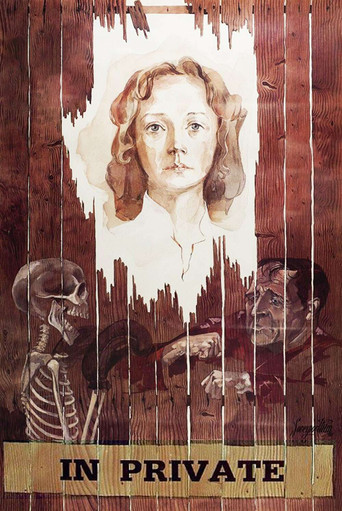
Without Witness
In visiting his ex-wife’s apartment a man learns that she plans to remarry a scientist named Valentin Shlyakhov. In his past, the man wrote a scathing letter about Shlyakhov which greatly impacted his career. Fearing that this information will come to light when his ex-wife marries Shlyakhov, the man insists that the wedding be called off. What follows is an intimate portrayal of the relationship between a man and a woman (who are never named), whose history as husband and wife plays out during a heated conversation.
The Dream in the Mirror
A documentary which features interviews with collaborators and family members of director Andrei Tarkovsky's, along with scholars of his work. Special attention is paid to his 1975 film "Mirror."
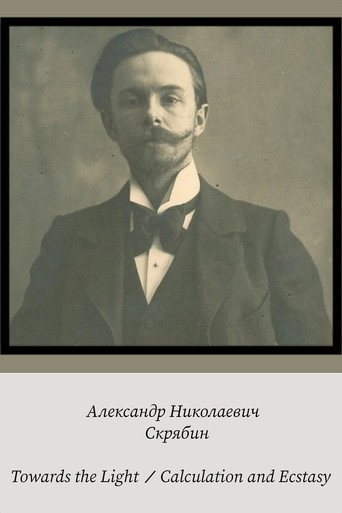
Alexander Scriabin – Towards the Light / Calculation and Ecstasy
Alexander Scriabin (1872–1915) born in Moscow, was an innovative, mystical, avant-garde Russian pianist and composer. This film explores Scriabin’s profound vision of art's unity — where music, movement, light and colour merge to create transcendent experiences. Some claim Scriabin pioneered atonality before Schoenberg. Key works: Poème, Op. 32 No. 1 (1903) and Vers la flamme, Op. 72 (1914). Featuring commentary from esteemed musicians like Eduard Artemyev, Vladimir Ashkenazy and Vladimir Horowitz, Artist: Hermann Nitsch, conductor Mikhail Pletnev and insights from Scriabin’s daughter: Marina Scriabine, this documentary offers a unique glimpse into the life and works of one of music’s most enigmatic figures. Shot across stunning locales in Switzerland, Italy and Russia, enriched with Scriabin’s own writings and rare archival materials. The highlight includes a historic recording of Scriabin himself, playing his Poem Op. 32 No. 1 on a Welte Mignon player-piano, recorded in 1908.
Production
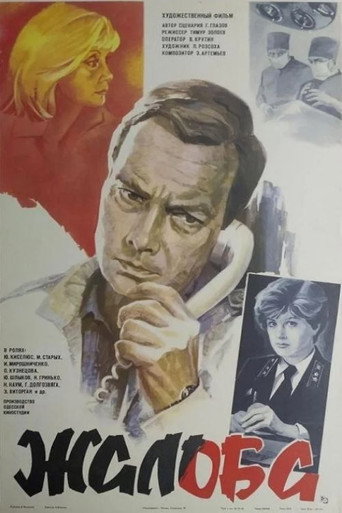
Appeal
During a complex operation in a leading clinic, patient Yakovenko dies. His relatives file a complaint with the prosecutor's office. Assistant Prosecutor Klivtsova, investigating the case, becomes convinced that the doctor, head of the Department of Surgery Marchuk, who is accused of a high percentage of mortality, must be defended, because he is a talented thoracic surgeon, and the high percentage of mortality after his operations is due to the fact that he treats the most hopeless patients, using every chance in the fight for their lives. However, his colleagues who avoid working with critically ill patients will not be easily accused of malpractice.
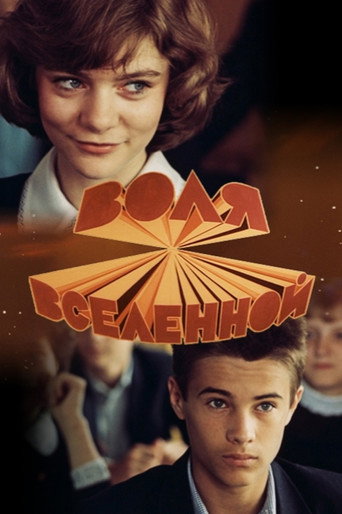
Will of Universe
Dima got a prediction of his fast death in accident coming to him very soon. He sends the farewell letter to Lena and makes the courageous decision despite the "Will of the Universe"...
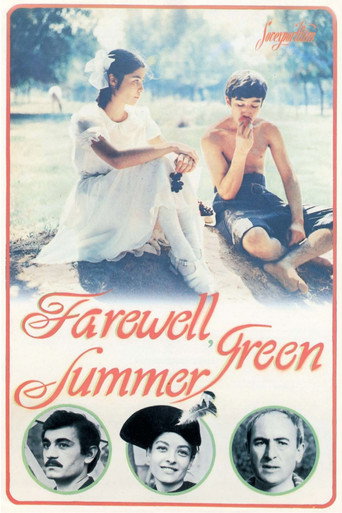
Farewell, Summer Green
Timur is trying to prove to the relatives of his girlfriend and himself that he is worthy of their family. But Ulfat is married to another, after which the young go abroad. Timur graduated from the Institute and became the Director of a large car service…
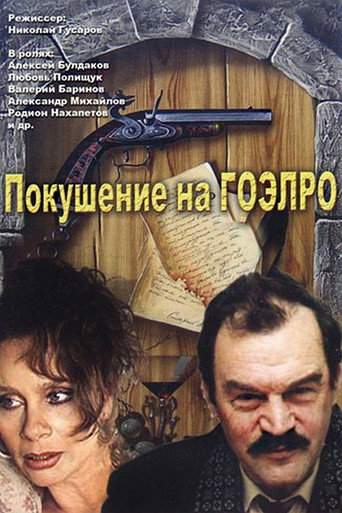
Attempt on GOELRO
1932. Ural, city of Krasnouralsk. The power plant has been sabotaged. The turbine is out of order. Having put the guards to sleep, someone poured sand into the turbine oil. In Moscow, the leadership of the OGPU received a secret cipher. From it it becomes known about the conspiracy of German intelligence against the USSR. Its main purpose — subversive actions in Soviet power plants. Special attention is paid to the Urals and the Dnieper under construction. Diversion in Krasnosilske — link in this chain. In Krasnotalsk sent a special agent of the OGPU Viktor Sergeevich Lartsev.

Burn, Burn Bright
Match factory repairman Parfen Loktionov is offered to become a shift foreman. The new position, on the one hand, is associated with increased responsibility, and on the other, with less earnings (the salary is “ten” less). The mother-in-law and wife insist that Parfen, usually submissive to them, refuse the offer made to him. But this time he rebels against domestic tyranny...
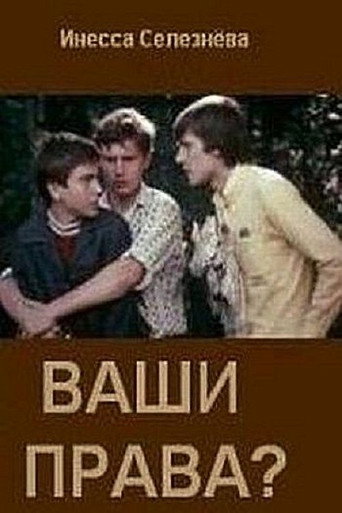
Your Rights?
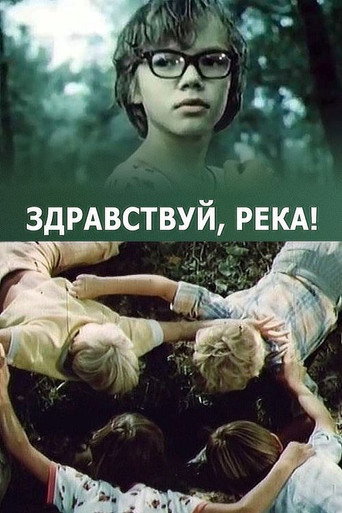
Hello River!
Little boy Stepan loved listening to fairy tales his mother made up before bedtime. One day, she told him about the river near where they lived. It was a large and mighty river, but it needed human protection and care. In the morning, his mother couldn't find Stepan — he had gone to look for the source of the river. Thus began Stepa's adventures.
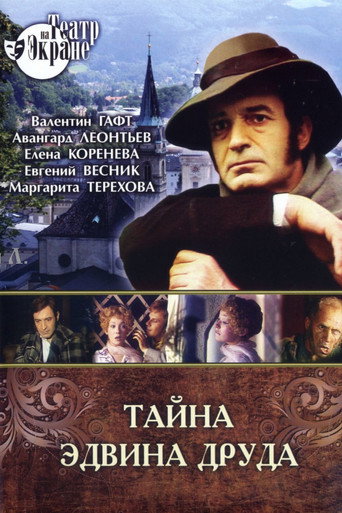
The Mystery of Edwin Drood
In Closterham, Edwin Drood and Rose Button confront his uncle John Jasper, the church choir regent, and Edwin fights Neville Landles, who is in love with Rose, leading to his disappearance.
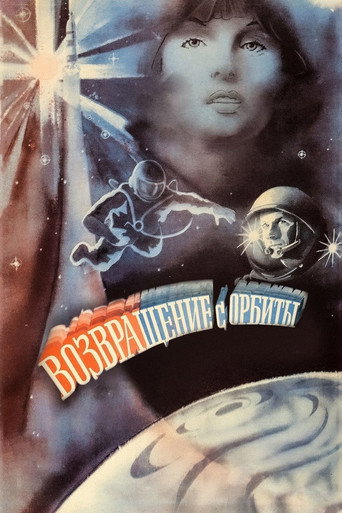
Return from Orbit
An accident occurs on an orbital space station, as a result of which the ship's commander is seriously injured. He must be urgently delivered to Earth and testing must be continued. It can only be done by the crew of Kuznetsov-Mukhin.
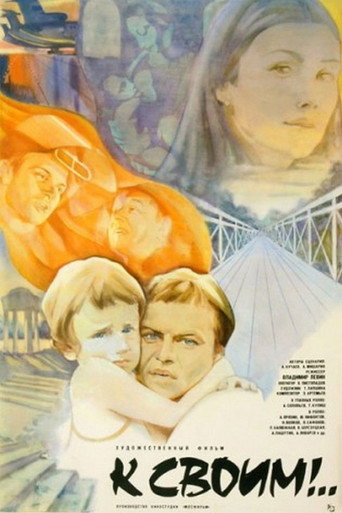
To My People!
A man reconnects with the people he grew up with in a Soviet orphanage.
Gallery