Edisher Magalashvili Movies, TV Shows, and Filmography
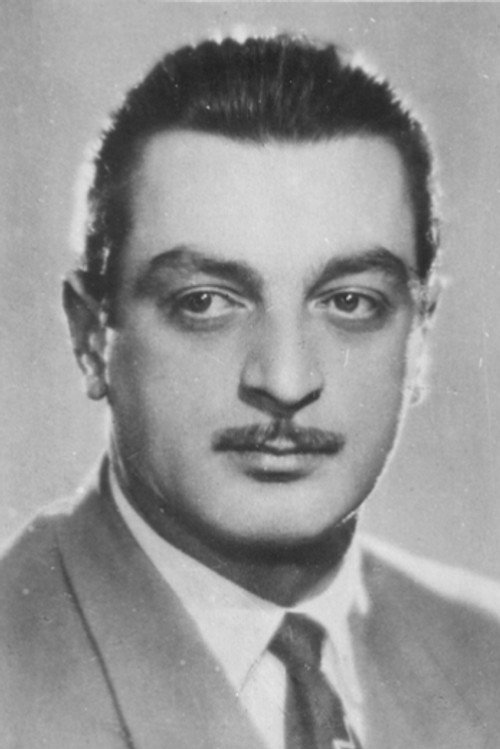
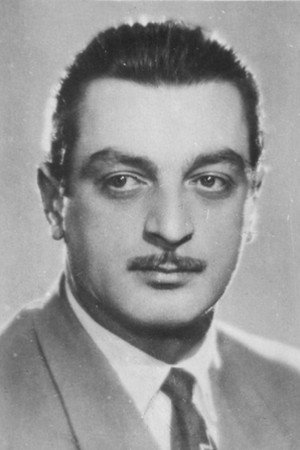
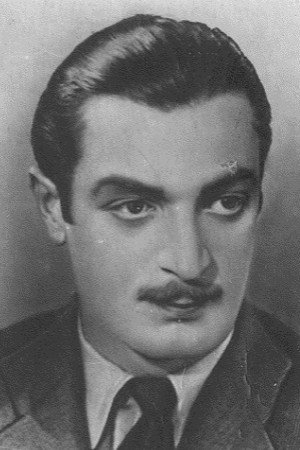
Edisher Magalashvili
Acting
Biography
Edisher Magalashvili (January 4, 1925 - January 26, 2005) was a Georgian actor. He was born in Tbilisi. Magalashvili studied at the Institute of Railway Transport Engineers in Tbilisi, where he was invited to play a minor role in the film “Akaki’s cradle” by director Konstantine Pipinashvili in 1947. After this role, Edisher decided to become a professional actor. In 1947, he graduated from the film school of the Tbilisi Film Studio, and in 1953, he graduated from the Shota Rustaveli Theatre Institute in Tbilisi. From 1946 to 1950, he worked as an actor at the Tbilisi Film Studio. From 1948 to 1964, he worked at the Marjanishvili Theater, and from 1964, he worked at the Rustaveli Theater. He was married to pianist Natalia Kavtaradze, a graduate of the Tbilisi Conservatory. They had two children, George, a neurosurgeon, and Mikhail, a cinematographer. He passed away on January 26, 2005.
Filmography Movies
Acting
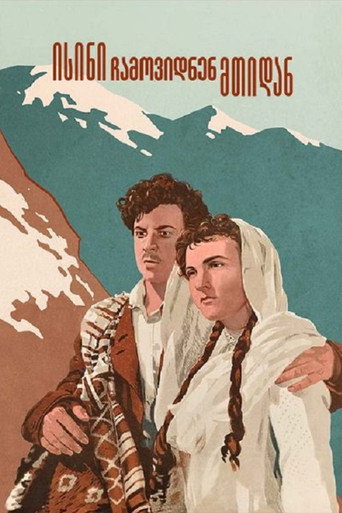
They Came from Mountains
Highlander Vepkhia khalibauri steel melting study with other young people in the Urals, which will leave the profession with friends to buy. Three years after returning Vepkhia Lela's looking forward to the meeting, but finds out that the village of Lela mgelikas gaqolia married. Vephkhia discouraged friends convinced him to deception Lela married one day and have not lived with her husband. Vepkhia and Lela married.
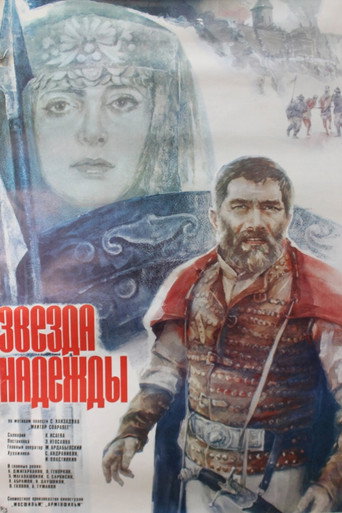
Star of Hope
Two part film about David Bek and Mkhitar Sparapet's major Armenian uprising against Safavid Persia in the Syunik region in the 18th century.
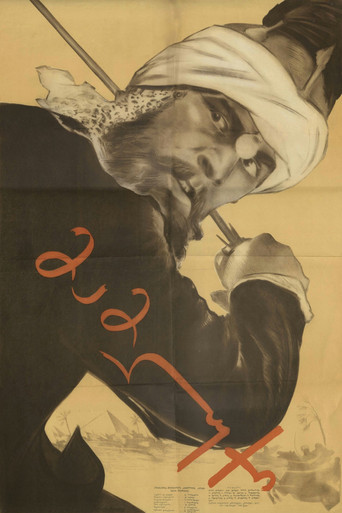
Mameluke
In Arabic, “mameluke” means a white slave, a prisoner. In Egypt, this name was given to prisoners of war who had been sold into slavery from Georgia and other countries of the Caucasus. The action of this drama starts in Georgia in the late 18th century. Two friends are abducted and sold into slavery. One ends up in Egypt, the other - in Venice. Years later, they meet by the ancient pyramids, in the desert where a battle is going on between the armies of Bonaparte and Ali-bey, the ruler of Egypt. In a combat with a French officer, the Mameluke injures him. Falling from his horse onto the sand, the officer exclaims in Georgian: “Vai, nana!” (“Oh, mother!”). And the Mameluke recognizes in him a mate of his childhood games.
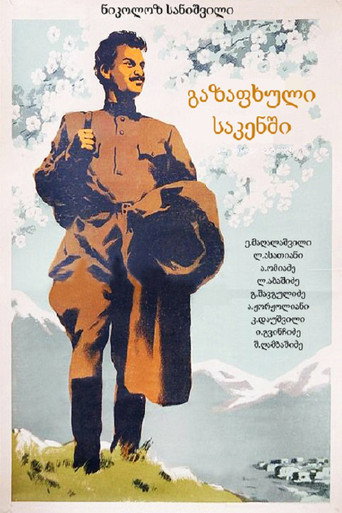
Spring in Sakeni
The film depicts the life of a Georgian village after the Second World War. Kesou Mirba, appointed as a brigadier in Saken, wants to get a bountiful harvest of corn on the scarce land of the highland village, he is sure that valuable mineral fertilizer will be found there. Kesou's plans are opposed by farmers who do not want to change their old way of life. One of them will replace the soil samples to be sent to the laboratory.
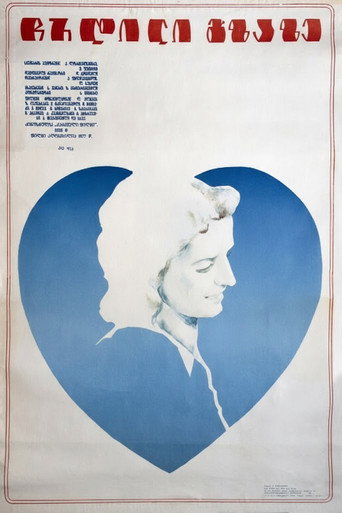
The Shadow On Road
The film describes the hard life of shepherds. Giorgi loves Nino, but the woman is charmed by the newly appointed head worker in the district, Levan. Careerist Levan does not take into account the experience of shepherds and commints many evils to realize his goals.
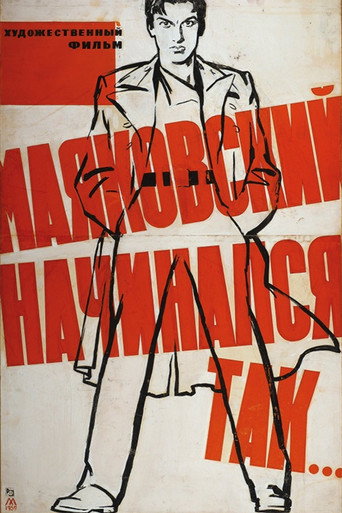
This Is How Mayakovsky Began
Based on the autobiographical book "Ya -sam" (I-myself) by Vladimir Mayakovsky the leading Russian Futurist poet of the beginning of the 20th century. He was born in 1893, into a Russian Cossack family in the Transcaucasian kingdom of Georgia, then part of Russian Empire. There he spent his childhood and boyhood attending a grammar school in Kutaisi. Mayakovsky moved to Moscow at the age of 14, after his father's death. He became a poet, an artist, an actor, a writer/director and public speaker.

The Blue Notebook
In the summer of 1917, Vladimir Lenin leaves Petrograd and shelters in Razliv with fellow revolutionary Grigory Zinoviev. In the weeks that follow, Lenin writes his famous "Blue Notebook" advocating proletarian revolution.
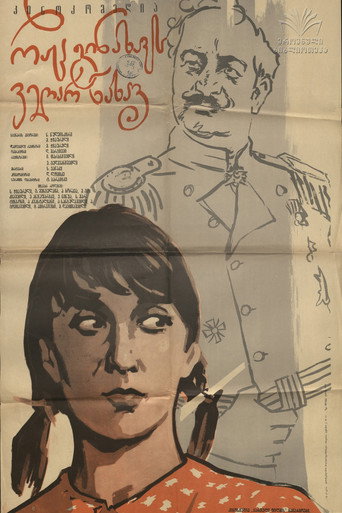
You Can't See What You Have Seen
The young craftsman Gogia and the village girl Tasia fall in love with each other. Arriving in Tasia's village accompanied by a wedding procession, Gogia Can't find his bride anymore, Turns out by the order of Tasia's godmother, the duke's wife, she was taken to the duke's house as a servant. The elderly duke liked Tasia and decided to marry her. Gogia with the help of his friends, Karachokheli, tries to get his bride back.
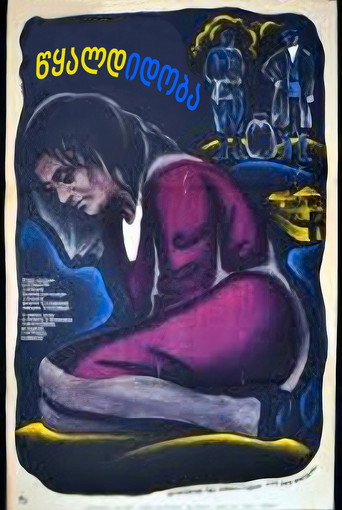
The Flood
Georgia of the 1920s. An honest, charming, but naive fisherman Lado helps all those in need. And they benefit from his kindness, first of all the miller Stephen, a greedy person, but times are changing and people like Stephen have no future.
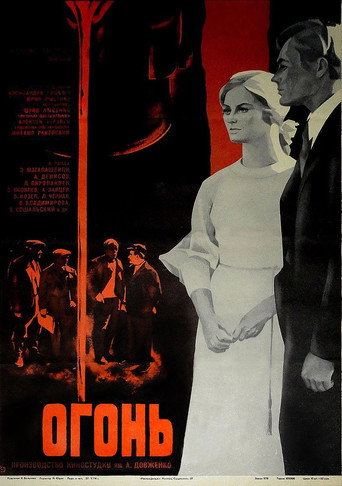
Fire
About the 1930s—the early years of the Stakhanovite movement. The heroes of the film are steelworkers, who were among the first participants in the socialist competition.
Gallery