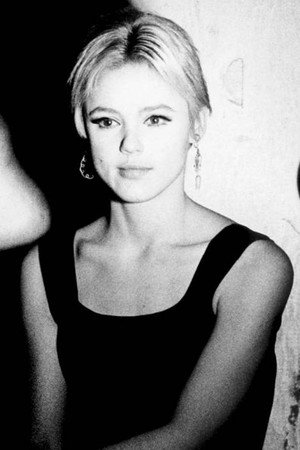
Edie Sedgwick Movies, TV Shows, and Filmography
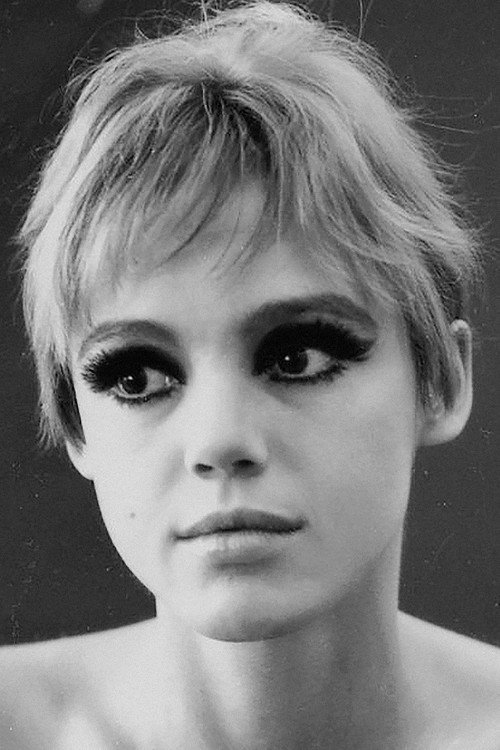
Edie Sedgwick
Acting
Biography
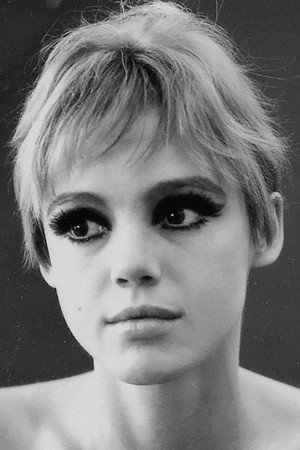
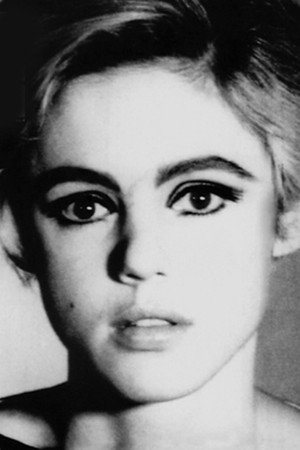
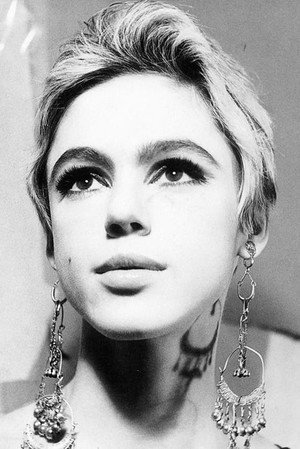
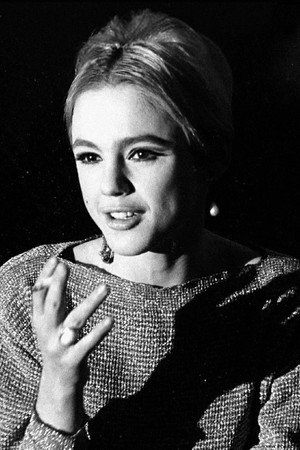
Edith Minturn Sedgwick was an American actress and fashion model. She is best known for being one of Andy Warhol's superstars. Sedgwick became known as "The Girl of the Year" in 1965 after starring in several of Warhol's short films in the 1960s. She was dubbed an "It Girl", while Vogue magazine also named her a "Youthquaker".
Filmography Movies
Acting
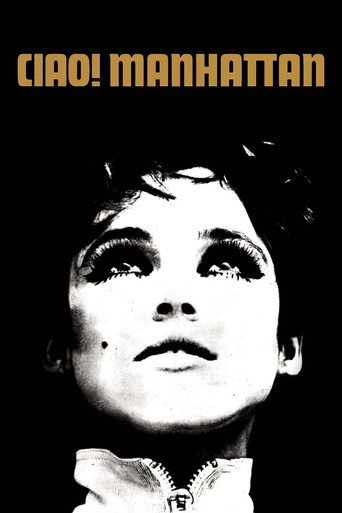
Ciao! Manhattan
Fiction and documentary mingle in a freewheeling portrait of Susan Superstar, a New York celebrity on a drug-fueled downward slide that mirrors Edie Sedgwick’s own self-destructive spiral.
Take Your Pills
In a hypercompetitive world, drugs like Adderall offer students, athletes, coders and others a way to do more -- faster and better. But at what cost?
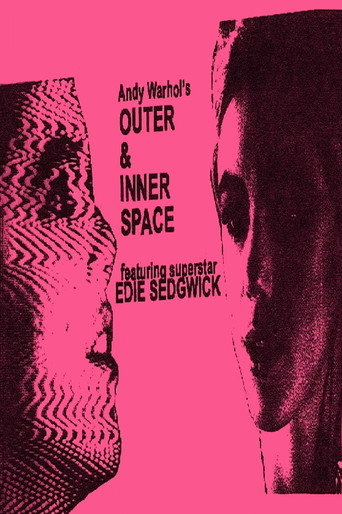
Outer and Inner Space
A 16mm Warhol film of Edie Sedgwick sitting in front of a television monitor on which is playing a prerecorded videotape of herself. On the videotape, Edie is positioned on the left side of the frame, facing right; she is talking to an unseen person off-screen to our right. In the film, the “real” or “live” Edie Sedgwick is seated on the right side of the film frame, with her video image behind her, and she is talking to an unseen person off-screen to our left. The effect of this setup is that it sometimes creates the rather strange illusion that we are watching Edie in conversation with her own video image.
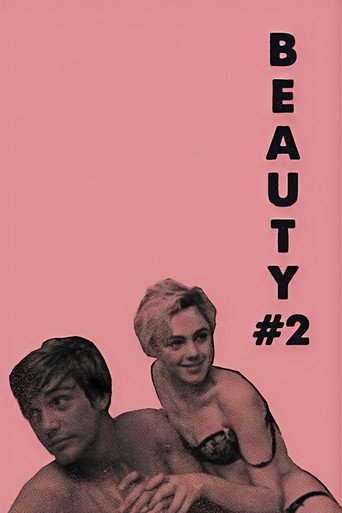
Beauty #2
The movie has a fixed point of view showing a bed with two characters on it, Sedgwick and Piserchio. Chuck Wein is heard speaking but is just out of view. Sedgwick is wearing a lace bra and panties, and Piserchio, wearing only jockey shorts, engage in flirting and light kissing. Wein asks Sedgwick questions seemingly designed to harass and annoy her. Piserchio is more or less a bystander not interacting with Wein. The dialogue seems created adlib and no conclusions are reached in the film. The only conceivable climax is when Sedgwick finally becomes so mad, she throws a glass ashtray at Wein, breaking it.
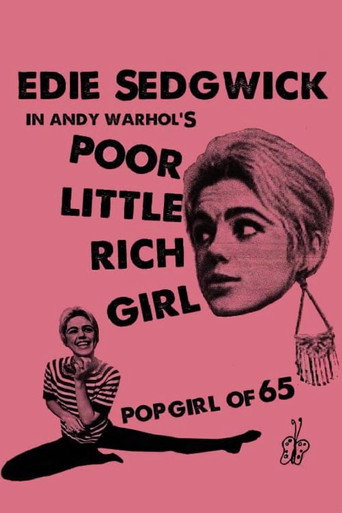
Poor Little Rich Girl
A young, jobless woman stays in bed, reads, talks on the phone, smokes cigarettes, makes fresh coffee, and tries on some clothes from a large wardrobe.
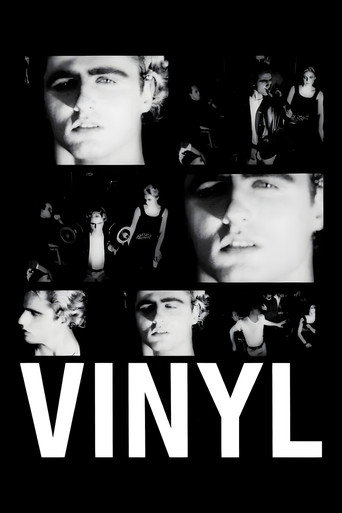
Vinyl
Andy Warhol’s screen adaptation of Burgess's "A Clockwork Orange”.
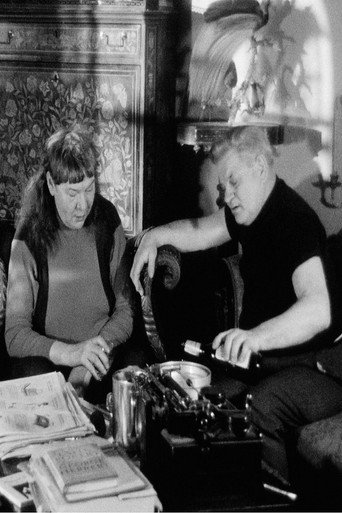
Bitch
“Andy Warhol called Marie Menken and Willard Maas ‘the last of the great bohemians,’ and, in 1965, made Bitch, his real-life parody of Edward Albee’s play Who’s Afraid of Virginia Woolf?, with Willard and Marie sitting on the couch in their living room, drunk and arguing on a Sunday afternoon. Unscripted, shot with a stationary camera in his signature home-movie documentary style, Warhol’s Bitch has never before been seen by the public—until now…” (Philip Gefter).
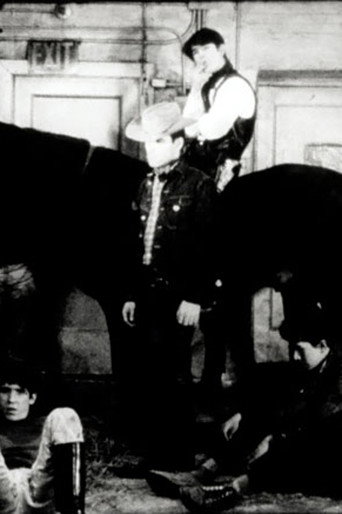
Horse
Warhol plunked a horse named Mighty Byrd in the middle of the Factory for this dark, homoerotic take on the classic oater that later anticipates his later western epic Lonesome Cowboys.
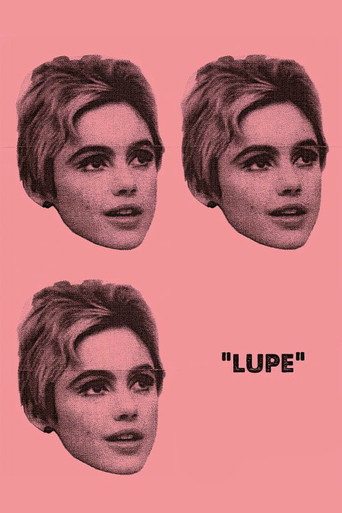
Lupe
Mexican actress Lupe Vélez's final hours as she overdoses on Seconal.
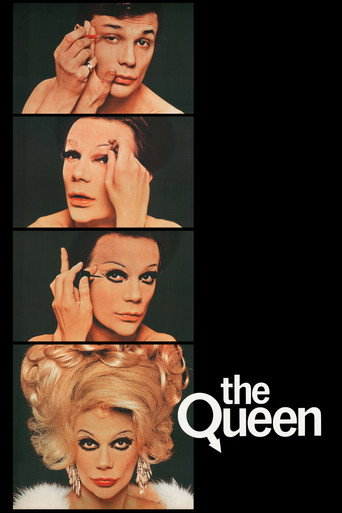
The Queen
In 1967, New York City is host to the Miss All-American Camp Beauty Pageant. This documentary takes a look behind the scenes, transporting the viewer into rehearsals and dressing rooms as the drag queen subculture prepares for this big national beauty contest. Jack/Sabrina is the mistress of ceremonies, and their protégé, Miss Harlow, is in the competition. But, as the pageant approaches, the glamorous contestants veer from camaraderie to tension.
Gallery