Directing
No biography available.
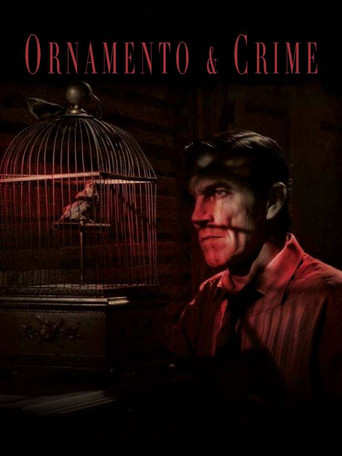
I am the double of the shadow of my own image. An allegory that occupies my place. This is my act of contrition. Beyond good and evil, I stand as an equation: Its result cannot be manipulated By morals or ethics. In mathematics there is no place for beliefs Just as life and death Are a certain fate.
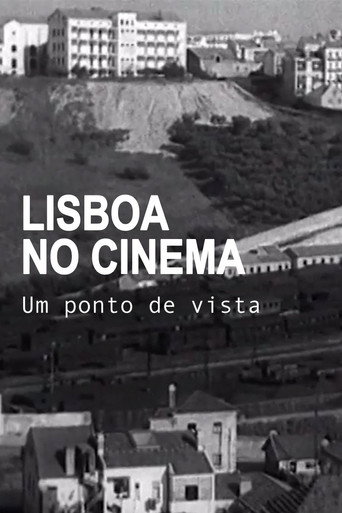
The city during the beginning of cinema. The typical city at the time of the dictatorship. The New Lisbon of the New Cinema. Lisbon after the Revolution. The white city of foreigners. A geographical and moviegoer screenplay of Lisbon through the images of films and testimonies of several filmmakers who filmed in Lisbon.
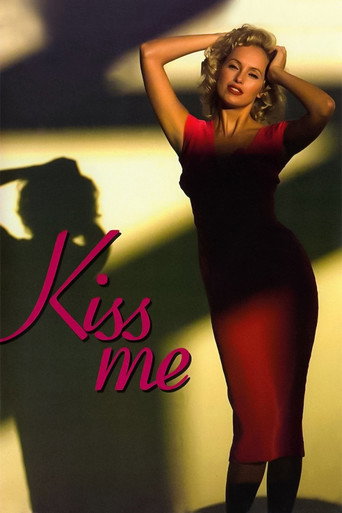
This movie bring us a story about a woman named Laura (Marisa Cruz) that lives in a small portuguese town during the 50's. Tired of living in such a small town she travells to a bigger town, in which she'll have the opportunity to feel free.
A story about character created by Reinaldo Ferreira (1897-1935), action reporter, mystery novelist and emotion journalist.
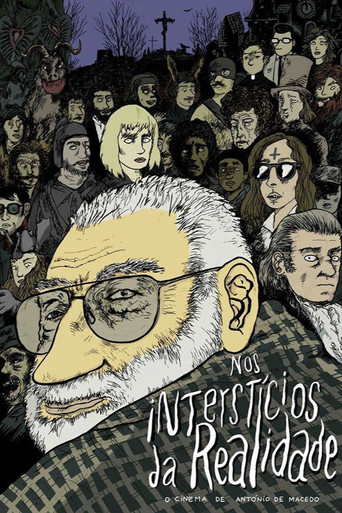
He was the most prolific within the New Portuguese Cinema generation. He would try western spaghetti, esoteric allegory, supernatural, and science-fiction. Without state subsidies, he would quit filmmaking in the 1990s. Who remembers António de Macedo?
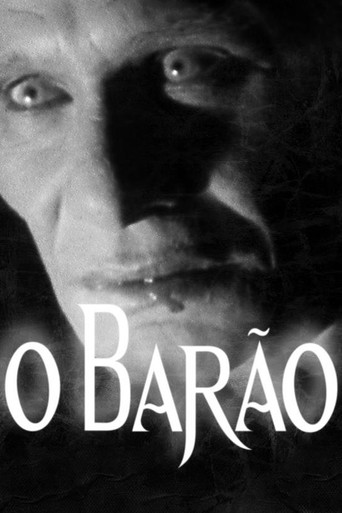
A school inspector travels to the baron’s fiefdom to write a report on a heathen teacher. Having arrived, he is invited to stay with the baron, who makes predictions about women, horses and politics while the mysterious Idalina serves food and drink. The inspector becomes inextricably entangled in the baron’s world.
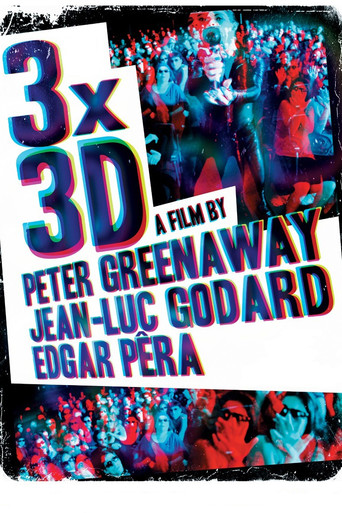
A triptych of short stereoscopic films by Peter Greenaway, Jean-Luc Godard and Edgar Pêra. Includes "The Three Disasters" by Godard, "Cinesapiens" by Pêra and "Just in Time" by Greenaway.
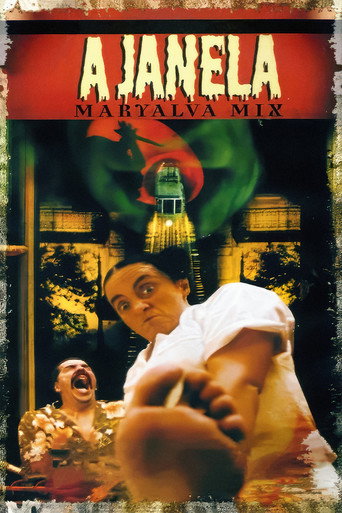
An experimental and surreal film, a mix of weird and unusual "avant-gard" cinematography with some traditional icons of the Portuguese culture, like Fado or the typical neighbourhoods of Lisbon, in this case the "Bica" is a typical neighbourhood which is used as setting to the plot.
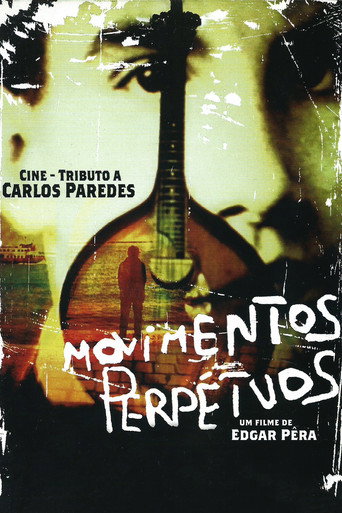
The unconventional biography Perpetual Movements: A Cine Tribute to Carlos Paredes uses snippets of the guitarist's work as well as archival performance footage alongside a series of images created specifically for the movie in order to tell the tale of this multi-faceted artist
“Manual of Evasion LX94” is a thought-provoking Dadaist film about time by the Portuguese director Edgar Pêra. It was shot in Lisbon in 1994 and stars Terence McKenna, Robert Anton Wilson and Rudy Rucker. Time is explored from many unusual angles, while Pêra fills the screen with a wide variety of bizarre and mind-warping imagery.
João is a writer who one day wakes up suffering from a bout of selective amnesia: he can't remember that he's gay. So he decides to reject his partner of five years and he plunges into a new, unexpectedly hetero life. But, as the saying goes, it never rains but it pours: João also has a creative block, and is incapable of finishing his latest novel. Isabel, his rival in the literary world, is suffering from a similar case of writer's block. After a night spent together, Isabel steals João's novel and tries to publish it as her own.
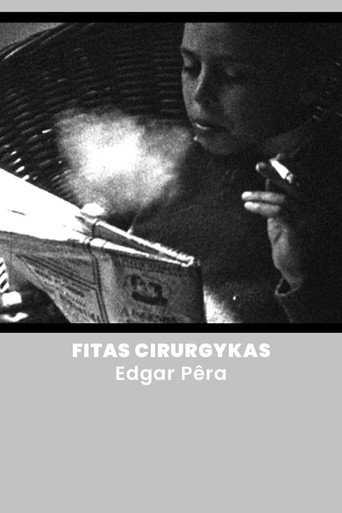
It is with images of Domingos de Oliveira Santos, a surgeon turned filmmaker, that Edgar Pêra composes a mosaic that goes beyond home videos, rushing beyond them.
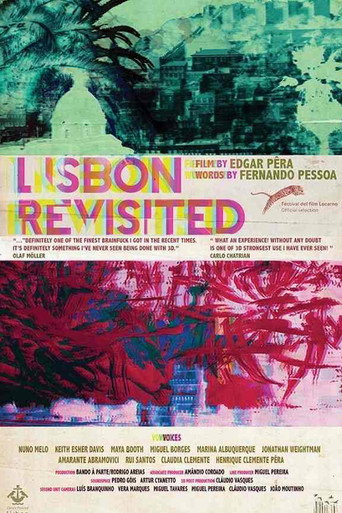
A dreamlike journey seen through the eyes of a trans-human as well as a kino-symphony of voices from the multiple personas of Fernando Pessoa, Lisbon Revisited shows alternative ways of looking at and hearing the city. Celebrating its greatest phantom and confronting his ambiguous and pervasive sexuality, the film is spoken in the three languages in which Pessoa wrote, Portuguese, English and French.