Edgar Morin Movies, TV Shows, and Filmography
Edgar Morin
Writing
Biography
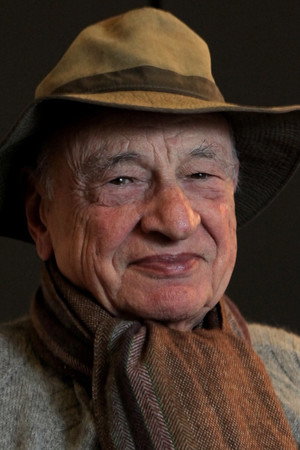
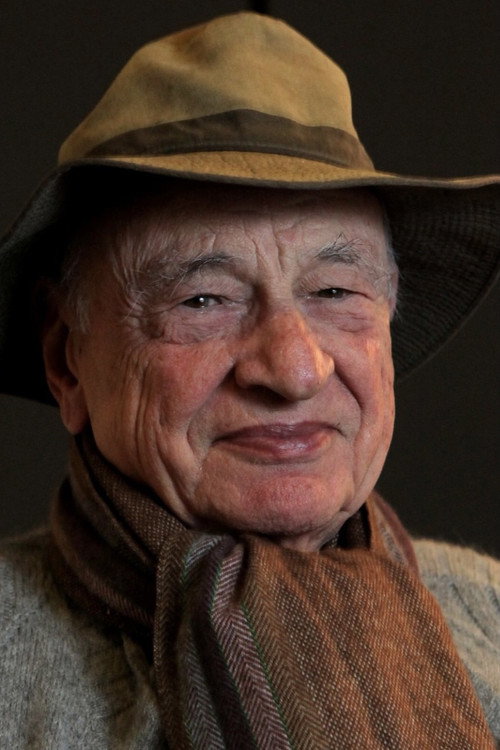
Edgar Morin (born Edgar Nahoum; 8 July 1921) is a French philosopher and sociologist of the theory of information who has been recognized for his work on complexity and "complex thought" (pensée complexe), and for his scholarly contributions to such diverse fields as media studies, politics, sociology, visual anthropology, ecology, education, and systems biology. As he explains: He holds two bachelors: one in history and geography and one in law. He never did a Ph.D. Though less well known in the anglophone world due to the limited availability of English translations of his over 60 books, Morin is renowned in the French-speaking world, Europe, and Latin America. During his academic career he was primarily associated with the École des hautes études en sciences sociales (EHESS) in Paris. At the beginning of the 20th century, Morin's family migrated from the Ottoman city of Salonica (Thessaloniki) to Marseille and later to Paris, where Edgar was born. He is of Judeo-Spanish (Sefardi) origin. When the Germans invaded France in 1940, Morin assisted refugees and joined the French Resistance. As a member of the French Resistance he adopted the pseudonym Morin, which he continues to use. He joined the French Communist Party in 1941. In 1945, Morin married Violette Chapellaubeau and they lived in Landau, where he served as a lieutenant in the French Occupation army in Germany. In 1946, he returned to Paris and gave up his military career to pursue his activities with the Communist Party. Due to his critical posture, his relationship with the party gradually deteriorated until he was expelled in 1951 after he published an article in L'Observateur politique, économique et littéraire. In the same year, he was admitted to the National Center of Scientific Research (CNRS). Morin founded and directed the magazine Arguments (1954–1962). In 1959 his book Autocritique was published. The book was a sustained reflection on his adherence to, and subsequent exit from, the Communist Party, focusing on the dangers of ideology and self-deception. In 1960, Morin travelled extensively in Latin America, visiting Brazil, Chile, Bolivia, Peru and Mexico. He returned to France, where he published L'Esprit du Temps, a work on popular culture. That same year, French sociologist Georges Friedmann brought him and Roland Barthes together to create a Centre for the Study of Mass Communication that, after several name changes, became the Edgar Morin Centre of the EHESS, Paris. Also in 1960 Morin and Jean Rouch coauthored the film Chronique d'un été, an early example of cinéma vérité and direct cinema. Beginning in 1965, Morin became involved in a large multidisciplinary project, financed by the Délégation Générale à la Recherche Scientifique et Technologique in Plozévet.
Filmography Movies
Acting
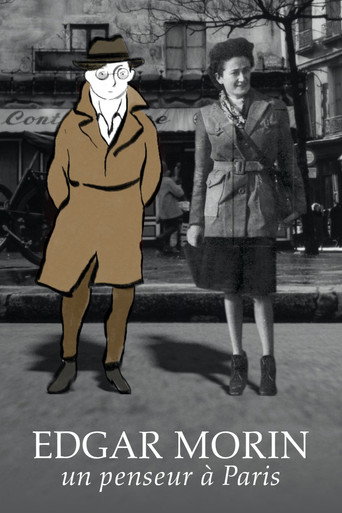
Edgar Morin, un penseur à Paris
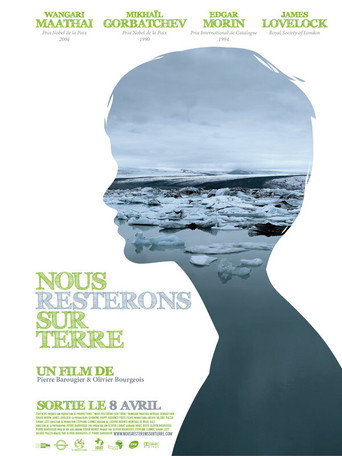
Here to Stay
Urban sprawl, extinct species, depletion of natural resources and global warming are all causes of deep anxiety. Here to stay takes an uncompromising look at Planet Earth today, in all its beauty but also its scars and contradictions. Illustrating the intricate relationship and contrasts between the miracles of nature and man's obsession in trying to tame them. Can we turn back the tide? What do we really want for ourselves?
Lest We Forget
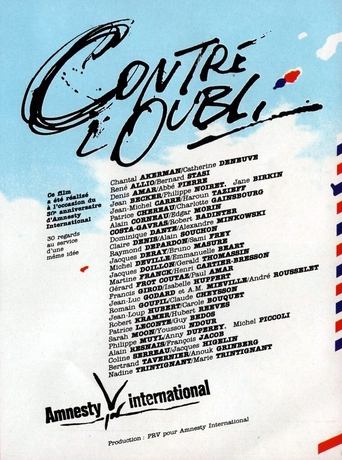
A compilation of 30 French filmmakers, Alain Resnais and Jean Luc Godard among them, who use film to make a plea on behalf of a political prisoner. Jean Luc Godard and Anne Marie Mieville's film concerns the plight of Thomas Wanggai, West Papuan activist who has since died in prison. The short films were commissioned by Amnesty International.
Mario Ruspoli, Prince of the Whales
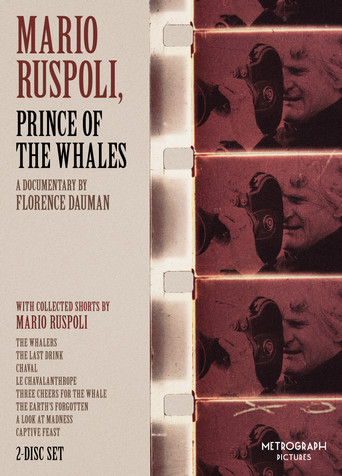
Colleagues, friends and specialists pay tribute to the filmmaker Mario Ruspoli in a portrait that mixes encounters, archive images and film excerpts. With testimonies from Richard Leacock, Albert Maysles, Edgar Morin, D.A. Pennebaker and others.
Edgar Morin, journal d'une vie
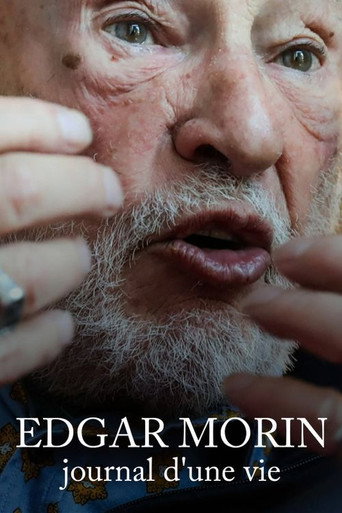
A philosopher of complexity, Edgar Morin has renewed the figure of the intellectual. Born Edgar Nahoum in Paris in 1921, he joined the Communist Resistance in 1942, where he adopted the pseudonym Morin, which he never abandoned. Author of about a hundred books, doctor "honoris causa" of about forty universities in the world, he never stopped promoting human brotherhood.
Kim Kardashian Theory
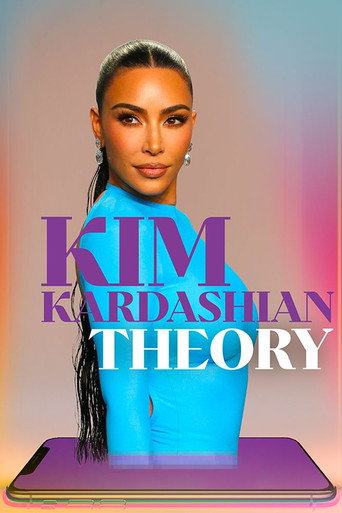
Kim Kardashian is the embodiment of our times. She's a total social figure. To analyze her is to talk about ourselves, our relationship with social networks, capitalism and aesthetic standards. Through the eyes of journalists Nesrine Slaoui and Guillaume Erner, this film proposes a theory in the zeitgeist, crossed by questions of race and gender. Journalist and sociologist Guillaume Erner wonders why Kim Kardashian is the most followed woman in the world on social networks "when she does nothing". With the help of journalist and director Nesrine Slaoui, he paints a portrait of this "total social character", who is famous because of... her fame. Fashion icon, star of a never-ending reality TV family saga, savvy businesswoman, future lawyer and activist outraged by the state of American prisons, the beautiful Kim, who is said to be tempted by a political destiny, is in fact not idle at all...
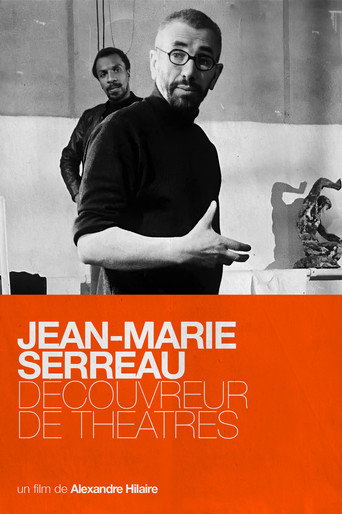
Jean-Marie Serreau, découvreur de théâtres
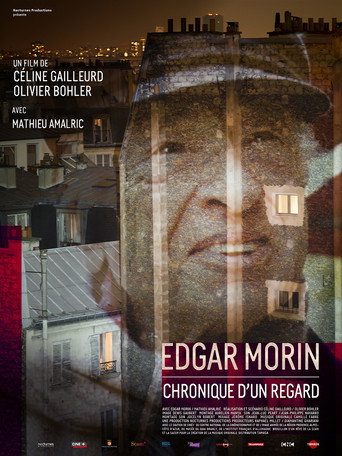
Edgar Morin, chronique d'un regard
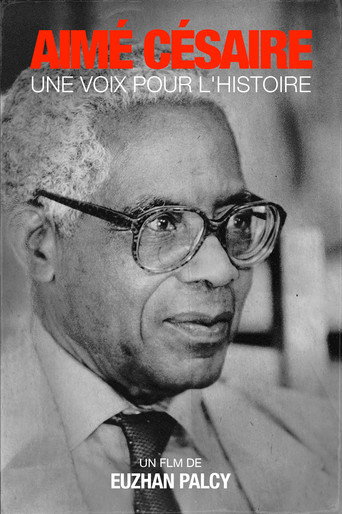
Aimé Césaire: A Voice for History
A three-part study that introduces audiences to the celebrated Martinican author Aimé Césaire, who coined the term "négritude" and launched the movement called the "Great Black Cry".
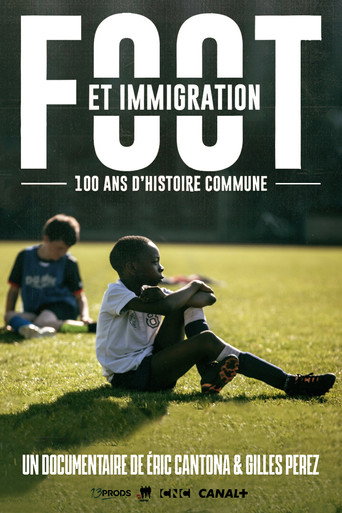
Football And Immigration, 100 Years Of Common History
Football is both the place, the crystallization of sporting passion and the witness of identity imaginations. It is also an interesting and relevant area for discussing the migration issue. From the 1930s to the present day, football, notably with the composition of the French team, has reflected the plurality of the French population. Raymond Kopa, Michel Platini, Zinedine Zidane, Basile Boli... these four footballers alone illustrate the four major waves of immigration that France has experienced.
Production
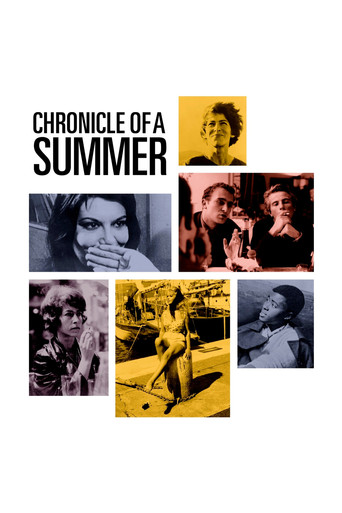
Chronicle of a Summer
Paris, summer 1960. Anthropologist and filmmaker Jean Rouch and sociologist and film critic Edgar Morin wander through the crowded streets asking passersby how they cope with life's misfortunes.
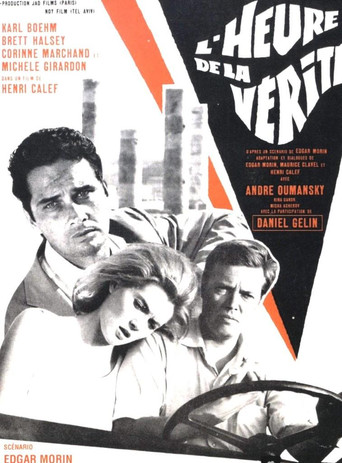
The Hour of Truth
At the end of World War 2, a Nazi escapes arrest by assuming the identity of concentration camp victim. 20 years later, he is threatened with exposure. The only way out would seem to be murder. Hour of Truth was lensed largely on location in Israel.
Lest We Forget
A compilation of 30 French filmmakers, Alain Resnais and Jean Luc Godard among them, who use film to make a plea on behalf of a political prisoner. Jean Luc Godard and Anne Marie Mieville's film concerns the plight of Thomas Wanggai, West Papuan activist who has since died in prison. The short films were commissioned by Amnesty International.
Gallery