Ed Bowes Movies, TV Shows, and Filmography
Ed Bowes
Camera
Biography
No biography available.
Filmography Movies
Acting
How to Fly
With HOW TO FLY, Bowes abandoned plot entirely, finding other forms of structure. He wanted to show that stories do not have to obsessively organize and explain data, and that television’s hundreds of simultaneous, fragmented narratives – news, fiction, commercials, sports, etc. – had prepared audiences for this new type of structure. — Charles Ruas

Born in Flames
In near-future New York, ten years after the “social-democratic war of liberation,” diverse groups of women organize a feminist uprising as equality remains unfulfilled.
Romance
The plot revolves around Tom (Ed Bowes) and his girlfriend Kathleen (Elizabeth Cannon) and what occurs when her mother and androgynous brother Tommy (Karen Achenbach) come to visit. Tom is receiving transcripts of his innermost thoughts in anonymous letters. Sexual ambiguity, symbiotic relationships, and self-identity are all at play here. Structured in long, uncut takes with beautiful camera work by Tom Bowes, the real-time aesthetic of the work is the result of the script, in which much of the action takes place in drifting conversations. — Marita Sturken, “Television Fictions: An Interview with Ed Bowes,” AFTERIMAGE (May 1986)
Production
Born in Flames
In near-future New York, ten years after the “social-democratic war of liberation,” diverse groups of women organize a feminist uprising as equality remains unfulfilled.
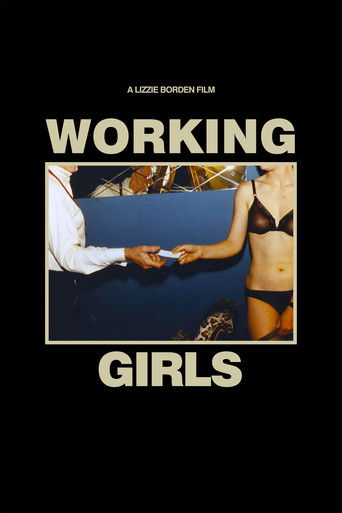
Working Girls
A lesbian college graduate, trying to bankroll her own photography business, works as a high-priced New York City escort.
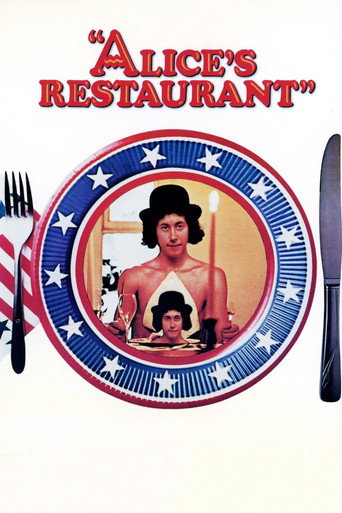
Alice's Restaurant
After getting kicked out of college, Arlo decides to visit his friend Alice for Thanksgiving dinner. After dinner is over, Arlo volunteers to take the trash to the dump but finds it closed for the holiday, so he dumps the trash in the bottom of a ravine. This act of littering gets him arrested and sends him on a bizarre journey.
How to Fly
With HOW TO FLY, Bowes abandoned plot entirely, finding other forms of structure. He wanted to show that stories do not have to obsessively organize and explain data, and that television’s hundreds of simultaneous, fragmented narratives – news, fiction, commercials, sports, etc. – had prepared audiences for this new type of structure. — Charles Ruas
How to Fly
With HOW TO FLY, Bowes abandoned plot entirely, finding other forms of structure. He wanted to show that stories do not have to obsessively organize and explain data, and that television’s hundreds of simultaneous, fragmented narratives – news, fiction, commercials, sports, etc. – had prepared audiences for this new type of structure. — Charles Ruas
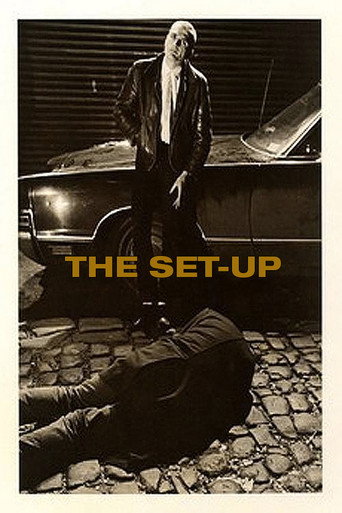
The Set-Up
The Set-Up is Kathryn Bigelow's student film at Columbia about the exploration of 'why violence in cinematic form is so seductive'. It featured two men beating each other to a pulp in a dark alley, while two professors analyzed the philosophy of it all on the soundtrack.
Born in Flames
In near-future New York, ten years after the “social-democratic war of liberation,” diverse groups of women organize a feminist uprising as equality remains unfulfilled.
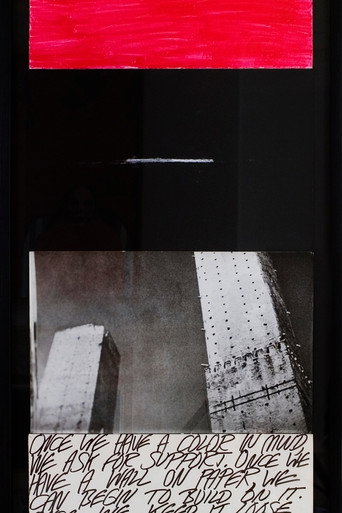
The Red Tapes
A three-part video epic in which avant-garde artist Vito Acconci explores the relationship between the self and national mythology. Through multiple vignettes, Acconci brings together a collage of music, photographs, diorama, experimental theater and his own profile, to tell a semi-autobiographical narrative that, in turn, becomes a critique of the alienated quality of American mythology.
Romance
The plot revolves around Tom (Ed Bowes) and his girlfriend Kathleen (Elizabeth Cannon) and what occurs when her mother and androgynous brother Tommy (Karen Achenbach) come to visit. Tom is receiving transcripts of his innermost thoughts in anonymous letters. Sexual ambiguity, symbiotic relationships, and self-identity are all at play here. Structured in long, uncut takes with beautiful camera work by Tom Bowes, the real-time aesthetic of the work is the result of the script, in which much of the action takes place in drifting conversations. — Marita Sturken, “Television Fictions: An Interview with Ed Bowes,” AFTERIMAGE (May 1986)
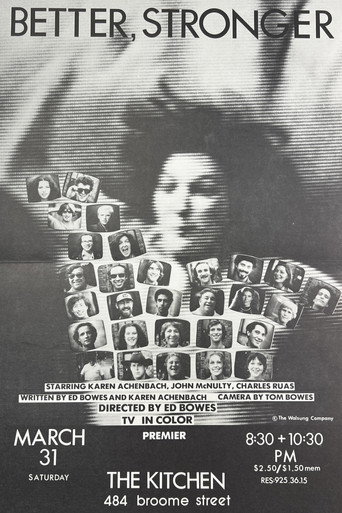
Better, Stronger
BETTER, STRONGER stands in contrast to the lilting pace of ROMANCE. It begins with an intense monologue by its main character, Lana (Karen Achenbach), which continues at a fairly relentless pace throughout. It is not a seductive story like ROMANCE, but an aggressive one that often jabs and pokes at the audience. Lana’s character is a high-energy, talkative actress who has returned to New York from California for a brief visit. She visits her family and cousins, who are a rowdy and obnoxious bunch, and storms from one scene to another. […] Bowes made BETTER, STRONGER as an artist-in-residence at the Television Laboratory at WNET/Thirteen. The tape is distinguished by its preoccupation with and relentless poetic use of language. […] While BETTER, STRONGER, like ROMANCE, would seem to have a direct plot line, Bowes has structured the action loosely with no central crisis or resolution. — Marita Sturken, “Television Fictions: An Interview with Ed Bowes,” AFTERIMAGE (May 1986)