Eckhard Bilz Movies, TV Shows, and Filmography
Eckhard Bilz
Acting
Biography
No biography available.
Filmography Movies
Acting

Verwandte und Bekannte
Using the example of three generations of a Hamburg working class family, the rise of the working class from the founding of the Wilhelmin Empire to the First World War, over the time of the Weimar Republic and National Socialism to the destruction of the Third Reich.

Ursula
Switzerland 1523. The mercenary Hansli Gyr returns with his soldiers from Italy to his home in the Oberland. They have fought for the Pope and now find a religious upheaval in Switzerland.

Osceola
Florida, 1830 - Of all eastern Native American tribes, only the Seminoles have resisted being moved to reservations. Having retreated to Florida, they live a simple horticultural life. But white plantation owners, angry at the increasing numbers of black slaves fleeing to Seminole protection, want to take their land. Plantation owner Raynes, in particular, has convinced the military to wipe out the Seminoles. His rival Moore, a sawmill owner from the North who has a Seminole wife, is against slavery and considers it unprofitable. Chief Osceola sees the coming danger; he tries to avoid provoking the whites, but cannot prevent the war that breaks out in 1835.
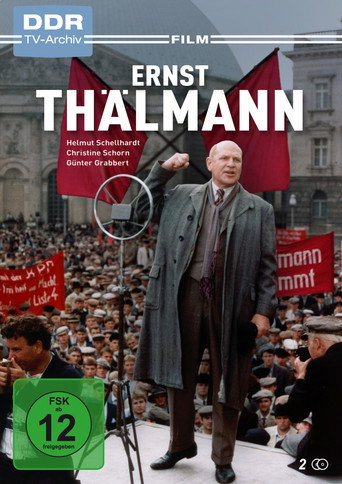
Ernst Thälmann
This elaborate two-part television film features a section from the life of communist worker leader Ernst Thälmann. It begins with the bloody riots on May 1, 1929 in Berlin, in which police officers shot at demonstrating workers, and ends with February 7, 1933, when Thälmann appeared as a speaker at the illegal meeting of the Central Committee of the Communist Party of Germany in goat neck. This period was marked by the struggle of the Communists against the ever stronger National Socialists and the rise of Adolf Hitler.
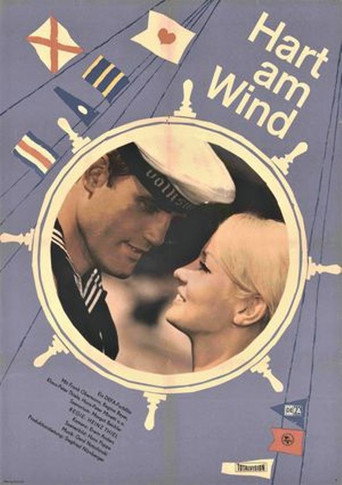
Hart am Wind
The electrician Peter Drews is a brigadier at a Baltic Sea dockyard. His men are among the most reliable and diligent workers at the dockyard. Their motivation, however, increasingly suffers from Peter’s narcissism and imperiousness. Even his girlfriend Brigitte who is also a member of the brigade finds it increasingly difficult to accept his behavior. One day, Peter decides that the entire group must enter the navy - just because he has received his conscription call. While four men follow Peter into the navy, Brigitte, who has broken up with Peter, takes over the control of the brigade. During the work at the ship on which Peter is based at she meets the charming lieutenant Asmus.
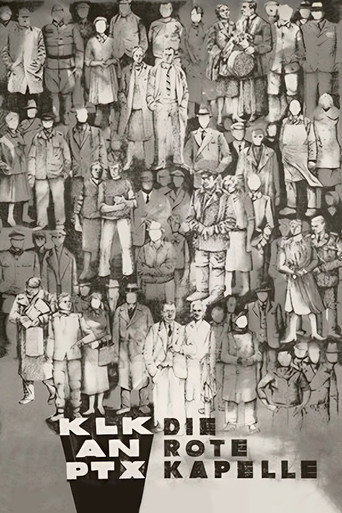
KLK Calling PTZ – The Red Orchestra
East German film about the history of Red Orchestra, a real life German pro-Soviet spy ring created after the rise of Hitler that turned into a resistance movement led by a leftist Nazi officer, Harro Schulze-Boysen, and Arvid Harnack.
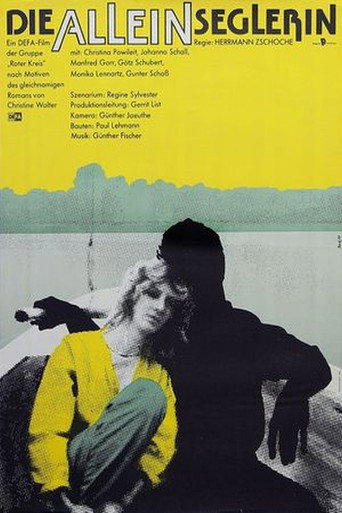
The Solo Sailor
Christine inherits a sailboat from her father, whom she barely knew. Christine is a divorced single mother and her job at a research insitute leaves her with too much work and too little time to sail. She can't find anyone to buy the boat at full value, so she tries to repair it over the winter in the hopes of being able to get a better price in the spring. Working on the boat become something of an obsession to the detriment of Christine's relationships with her son, boyfriend and collegues. When the boat is finally ready to sell, she isn't sure that she is willing to part with it after all.
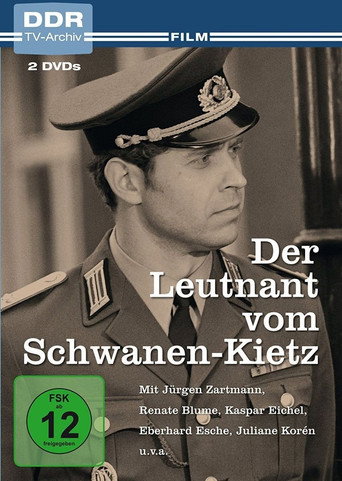
Der Leutnant vom Schwanenkietz
The film describes the activity of an ABV of the People's Police in its section in East Berlin. A mixture of “positive” characters from the beginning, the extensively staged “owl”, who is introduced as a criminal and over the course of time, especially due to the influence of the ABV, develops into a good citizen, and incorrigible characters, with whom the ABV fails with its extensive attempts at rehabilitation and who are arrested after having committed again offenses.
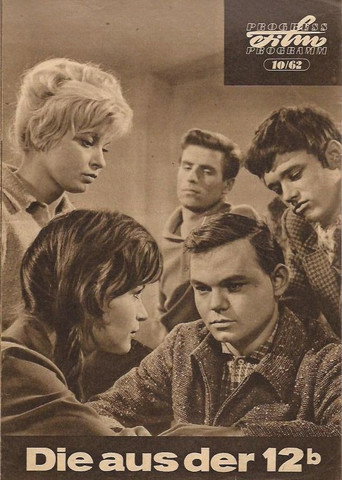
Die aus der 12b
German teacher Miss Platzke starts working in a graduating class. Since she is young and inexperienced, the students soon consider her incapable of doing her job. Their disrespectful and harsh behavior makes Miss Platzke even more insecure, and she reacts with rigidity: On the last day before winter break she orders them to write an unannounced essay, thereby provoking a spontaneous strike.

Abgehauen
The movie tells a true story in the life of well-known German actor Manfred Krug. Living in the German Democratic Republic he is forced to leave the country after protesting against the expatriation of singer/songwriter Wolf Biermann in 1976.